CFII Requirements, Exam, and Checkride 2026 Guide

Published by:
CK.
Published on:
Updated on:
Read time:
8 min read
CFII requirements depend on whether you are adding an instrument instructor rating to an existing flight instructor certificate or pursuing instrument instructor privileges as an initial flight instructor path. In common flight school language, CFII means Certified Flight Instructor - Instrument. In FAA language, you are working toward a flight instructor certificate with an instrument rating or adding an instrument rating to your flight instructor certificate.
This guide explains the FAA CFII requirements, the CFII exam, PTS vs ACS terminology, endorsements, common checkride topics, and how M2A prepares students for the practical test. If you need the definition first, start with What is a CFII?.
CFII Prerequisites
For a flight instructor certificate or rating, 14 CFR 61.183 lists the base eligibility requirements. For a CFII airplane path, expect to verify:
- You are at least 18 years old
- You can read, speak, write, and understand English
- You hold a commercial pilot certificate or airline transport pilot certificate with the appropriate category and class rating
- You hold an instrument rating, or appropriate instrument privileges, for the flight instructor rating sought
- You have logged the required instructor training and endorsements
- You can pass the required knowledge test and practical test for the rating sought
- You meet the applicable pilot-in-command time and certificate requirements for the category and class
For an added CFII rating, 14 CFR 61.191 says the applicant must meet the eligibility requirements that apply to the flight instructor rating sought, but an additional rating applicant is not required to pass the Fundamentals of Instructing knowledge test.
At M2A, the Certified Flight Instructor - Instrument program is designed for pilots who already have the right commercial, instrument, and instructor foundation and are ready to focus on teaching IFR procedures from the instructor seat.
CFII Knowledge Test
The CFII written exam is usually discussed as the Flight Instructor Instrument knowledge test. The exact test code matters.
According to the FAA Airman Knowledge Testing Matrix, checked April 14, 2026, the airplane instrument instructor tests include:
| Test code | Test name | Questions | Time | Passing score |
|---|---|---|---|---|
| FII | Flight Instructor Instrument Airplane | 50 | 2.5 hours | 70 |
| AIF | Flight Instructor Instrument Airplane (Added Rating) | 20 | 1.0 hour | 70 |
If you already hold a flight instructor certificate and are adding CFII, the added rating path may apply. If CFII is part of an initial instructor path, the test requirements may differ. Confirm the correct code with your instructor, school, or testing center before scheduling.
The FAA matrix also notes that many flight and ground instructor tests do not require an instructor endorsement for the initial knowledge test attempt, while retesting after a failure does require the applicable Airman Knowledge Test Report and additional training endorsement. Use the FAA’s current Airman Knowledge Testing Matrix when scheduling.
Practical Test and Checkride
The CFII checkride is the FAA practical test for instrument instructor privileges. It includes a ground portion and a flight portion. You are not just proving that you can fly IFR procedures. You are proving that you can teach them clearly, recognize student errors, correct those errors, and maintain safety while explaining the task.
The current FAA airplane/helicopter document is the Flight Instructor Instrument Practical Test Standards for Airplane Rating and Helicopter Rating, FAA-S-8081-9E. The FAA PTS says the evaluator may use oral questioning during the ground or flight portion to determine whether the applicant can instruct effectively and understands the tasks and safety factors.
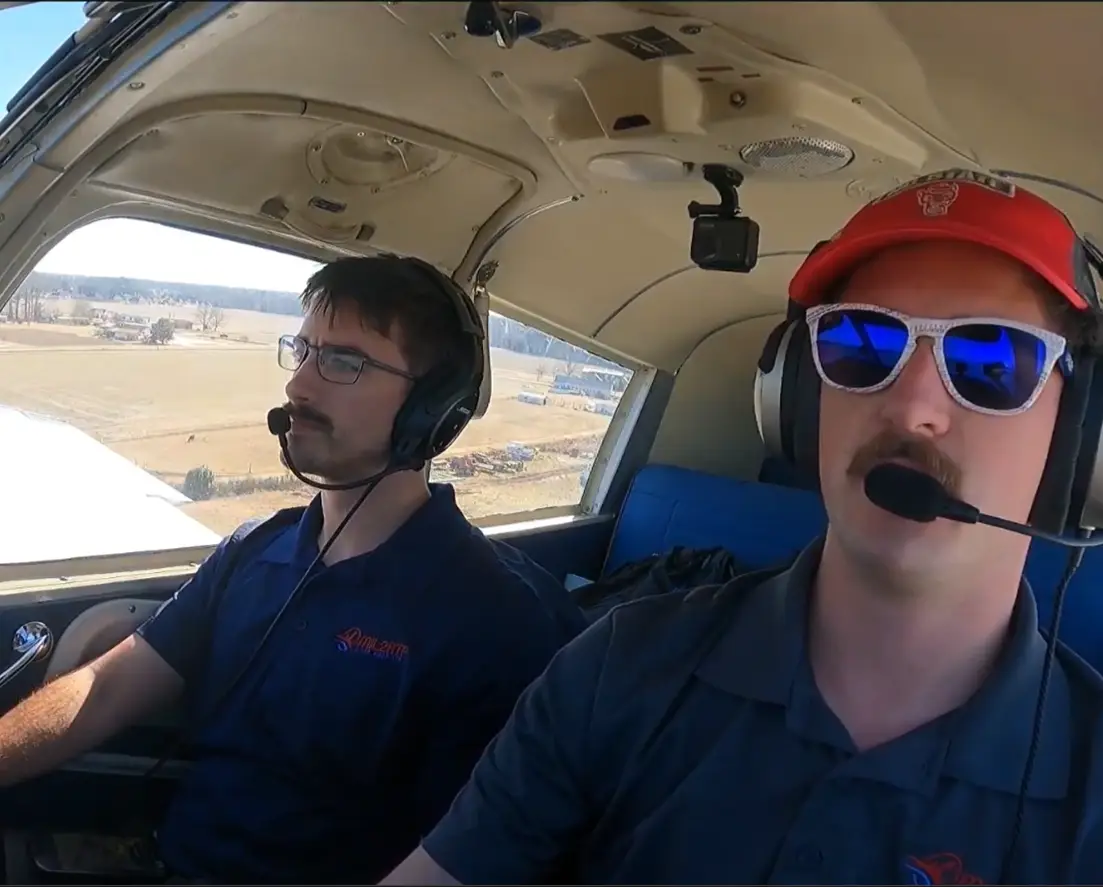
During the flight portion, the evaluator acts like a student during selected maneuvers. That lets the evaluator see whether you can demonstrate the procedure, explain it, analyze simulated errors, and correct them without losing aircraft control or instructional clarity.
PTS vs ACS Terminology
This is the part that causes confusion in CFII searches.
Many pilot certificates now use Airman Certification Standards, and you will see ACS documents for areas such as the Instrument Rating - Airplane and Flight Instructor for Airplane Category. However, as of April 14, 2026, the FAA’s practical test standards page lists Flight Instructor Instrument Practical Test Standards for Airplane Rating and Helicopter Rating (FAA-S-8081-9E) for the airplane/helicopter CFII practical test.
That means:
- If you are preparing for an airplane or helicopter CFII checkride, use the current Flight Instructor Instrument PTS
- Do not confuse the Instrument Rating - Airplane ACS with the CFII airplane/helicopter practical test document
- If you search “CFII ACS,” verify whether the source is talking about knowledge test codes, another aircraft category, or a different flight instructor standard
- Use the FAA’s current Practical Test Standards page and Airman Certification Standards page before publishing or scheduling
The terminology may change in the future, so the current FAA source should control over older prep material, forum posts, or search snippets.
Endorsements and Documents
CFII applicants should plan the paperwork early. The FAA’s Flight Instructor Instrument PTS checklist includes personal records such as photo/signature ID, pilot certificate, current and appropriate medical certificate, completed FAA Form 8710-1, Airman Knowledge Test Report, pilot logbook with appropriate instructor endorsements, and an approved school graduation certificate if applicable.
The important endorsements usually relate to readiness for the practical test and the required areas of operation. 14 CFR 61.187 requires flight and ground training from an authorized instructor on the areas of operation that apply to the rating sought, with a logbook endorsement certifying proficiency for the practical test.
For an instrument instructor rating, the areas of operation include technical subject areas, preflight preparation, preflight lesson, ATC clearances and procedures, flight by reference to instruments, navigation aids, instrument approach procedures, emergency operations, and postflight procedures.
Common CFII Checkride Topics
A CFII checkride commonly tests whether you can teach IFR procedures, not just perform them. Expect the examiner to look for instructional knowledge, scenario-based teaching, and error correction.
Common topics include:
- Fundamentals of instructing, when applicable to your path
- Aircraft flight instruments and navigation equipment
- Aeromedical factors related to IFR flight
- IFR regulations and publications
- Logbook entries related to instrument instruction
- Weather information and IFR cross-country planning
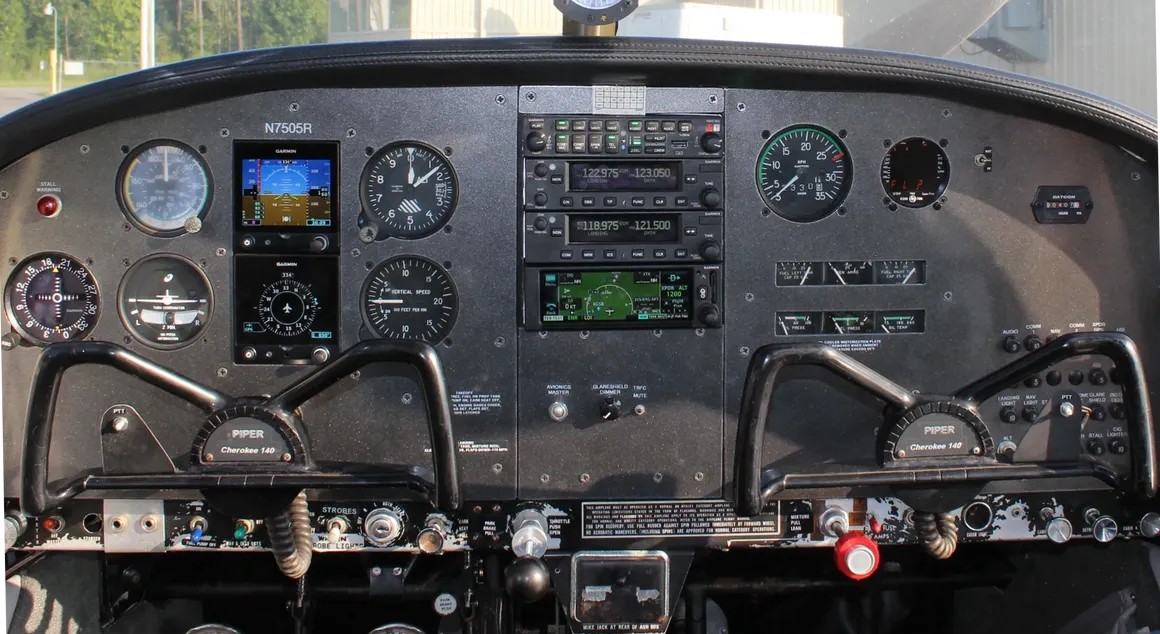
- Instrument flight deck checks
- ATC clearances, departures, enroute procedures, arrivals, and clearances
- Straight-and-level flight, turns, climbs, descents, and unusual attitude recovery by reference to instruments
- Intercepting and tracking navigation systems
- Holding procedures
- Nonprecision and precision instrument approaches
- Missed approaches, circling approaches, and straight-in landings
- Loss of communications and loss of primary flight instrument indicators
- Multiengine instrument emergencies, if applicable to the aircraft and rating
The PTS also emphasizes judgment, checklist usage, single-pilot resource management, spatial disorientation, wake turbulence and low-level wind shear avoidance, positive exchange of flight controls, and the ability to teach precise aircraft control.

How M2A Prepares CFII Students
M2A’s CFII training is built around a short, focused instructor add-on. The goal is to help qualified pilots learn how to teach instrument flying from the right seat, not relearn basic IFR procedures from scratch.
Training emphasizes:
- Right-seat instrument instruction
- Lesson planning for IFR maneuvers and procedures
- Teaching approach briefings, holds, and IFR cross-country work
- Recognizing and correcting common student errors
- Managing student workload during high-demand IFR tasks
- Preparing for the oral portion and flight portion of the checkride
- Using M2A’s syllabus, senior IFR instructors, and North Carolina training environment to build practical teaching judgment
If you are still building your own instrument foundation, review M2A’s Instrument Rating program. If you already know what CFII means and want the requirements path, the next step is to compare your certificates, test status, logbook, and endorsements against the CFII program requirements.
Frequently Asked Questions
-
What are the FAA CFII requirements?
In general, you need to meet the applicable flight instructor eligibility rules in 14 CFR 61.183, hold the required pilot certificate and instrument privileges for the rating sought, complete the applicable ground and flight training, receive the required endorsements, pass the required knowledge test, and pass the practical test.
-
Which CFII exam do I take?
For airplane applicants, the FAA matrix lists FII for Flight Instructor Instrument Airplane and AIF for Flight Instructor Instrument Airplane (Added Rating). The right test code depends on whether you are pursuing an initial instructor path or adding CFII to an existing instructor certificate.
-
Is the CFII checkride ACS or PTS?
For airplane/helicopter CFII practical tests, the FAA currently lists Flight Instructor Instrument Practical Test Standards, FAA-S-8081-9E. Do not assume the Instrument Rating ACS is the CFII checkride document.
-
Do I need an endorsement for the CFII written test?
The FAA Airman Knowledge Testing Matrix says the listed Flight Instructor Instrument tests do not require an instructor endorsement or other written authorization for the initial attempt. Retesting after a failed AKTR requires additional training and an endorsement.
-
What is tested on the CFII checkride?
Expect IFR technical knowledge, lesson planning, ATC clearances, navigation, approaches, emergency operations, logbook entries, endorsements, and the ability to teach, demonstrate, recognize errors, and correct those errors safely.
-
How should I start preparing?
Read the current FAA Flight Instructor Instrument PTS, confirm your knowledge test code, organize your logbook and endorsements, and train with an instructor who can evaluate both your IFR proficiency and your teaching ability.
Start Your CFII Training
If your certificates, instrument skills, and instructor foundation are already in place, review M2A’s Certified Flight Instructor - Instrument program for the course structure, timeline, requirements, and next training step.
If you are ready to begin the admissions process, use the enrollment page to send your information to the M2A team.