Can You Actually Finish Part 61 and 141 Training Faster? 2026 Guide
Published by:
CK.
Published on:
Updated on:
Read time:
10 min read
You want to become an airline pilot. You want to start your career quickly. When you search for flight schools, you see promises of fast track pilot training. You might wonder if these timelines are real. Can you actually finish your professional training in less than a year?
The answer is yes. However, you must choose the right system. An accelerated pilot program operating under FAA Part 61 and 141 rules gives you a major advantage. It provides a highly structured syllabus that legally allows for part 61 and 141 reduced hours. This means you spend less time guessing and more time flying with purpose.
If you want to reach the right seat of an airliner quickly, you need to understand how these programs operate. For instance, regardless of the path you follow, you need 1500 hours to be an airline pilot. This guide explains what makes an accelerated flight training timeline actually work, and why the right location makes all the difference.
What is an Accelerated Pilot Program?
Most flight training in the country happens under Part 61 rules. Part 61 is flexible. It works well for hobbyists who want to fly on the weekends. You learn at your own pace.
But you do not want a hobby. You want a professional career.
A Part 61 and 141 flight school uses a strict, FAA-approved syllabus. Every single lesson has a specific goal. You never waste an hour of aviation fuel just practicing randomly. Because the FAA approves this highly organized curriculum, they allow you to earn your certificates in fewer total flight hours.
This structure is the secret behind real accelerated private pilot training. You do not just fly fast. You fly with absolute precision. You follow a proven, step-by-step path. This removes the guesswork from your daily schedule. You know exactly what you must master before you move to the next lesson, keeping your progress constantly moving forward.
The Real Timeline Difference: Part 141 vs. Part 61
How much time do you actually save? The FAA sets minimum flight hour requirements for every aviation certificate. Because of the structured syllabus, part 61 and 141 reduced hours give you a massive head start over traditional students.
Under Part 61, you need at least 35 hours for a Private Pilot Certificate. Under Part 141, that requirement drops to 35 hours. The gap gets much wider as you progress. For your Commercial Pilot Certificate, Part 61 requires 250 total flight hours. Part 141 only requires 190 hours.
Saving 60 hours of flight time saves you thousands of dollars. It also shaves months off your training calendar. This makes accelerated commercial pilot training a reality, rather than just a marketing promise.
| Certificate / Rating | Part 61 Minimum Hours | Part 141 Minimum Hours | Accelerated Timeline |
|---|---|---|---|
| Private Pilot Certificate | 40 Hours | 35 Hours | 8 Weeks |
| Instrument Rating | 40 Hours | 35 Hours | 4 Weeks |
| Commercial Pilot | 170 Hours | 120 Hours | 10 Weeks |
| Total | 210 Hours | 155 Hours | 14 Weeks |
Why Most Fast Track Flight Schools Slow You Down
Many schools advertise a fast timeline. But in reality, students get stuck. Why does this happen? The delays usually have nothing to do with your flying skills. They happen because the school lacks the infrastructure to support a fast pace.
First, you face the check-ride bottleneck. A check-ride is your final practical flight test. The aviation industry currently suffers from a massive shortage of Designated Pilot Examiners (DPEs). At a normal school, you might finish your training but wait three to eight weeks for an external examiner. During that long wait, you must pay for extra practice flights just to stay sharp.
Second, broken airplanes ruin schedules. If a school does not have on-site mechanics, a broken radio might ground a training airplane for a week. Your training completely stops.
Third, busy airports waste your money. If you train at a major commercial hub like JQF, RIC, HEF, LZU or CHS, you wait in line behind massive passenger jets. You pay hourly Hobbs meter fees for the engine running on the ground. A 20-minute taxi delay eats up your budget and destroys your scheduled training hour.
How to Keep Your Fast Track Flight Training on Schedule
You deserve a school that removes these roadblocks. Your success depends on keeping a steady pace. At M2A Aviation Academy, the entire operation is specifically built to protect your timeline.
You never wait for a check-ride here. The academy has two Designated Pilot Examiners (DPEs) on staff. This means you take your test the exact moment you reach proficiency. This incredible logistical advantage has allowed the academy to maintain a 12-year track record of zero check-ride cancellations due to examiner unavailability.
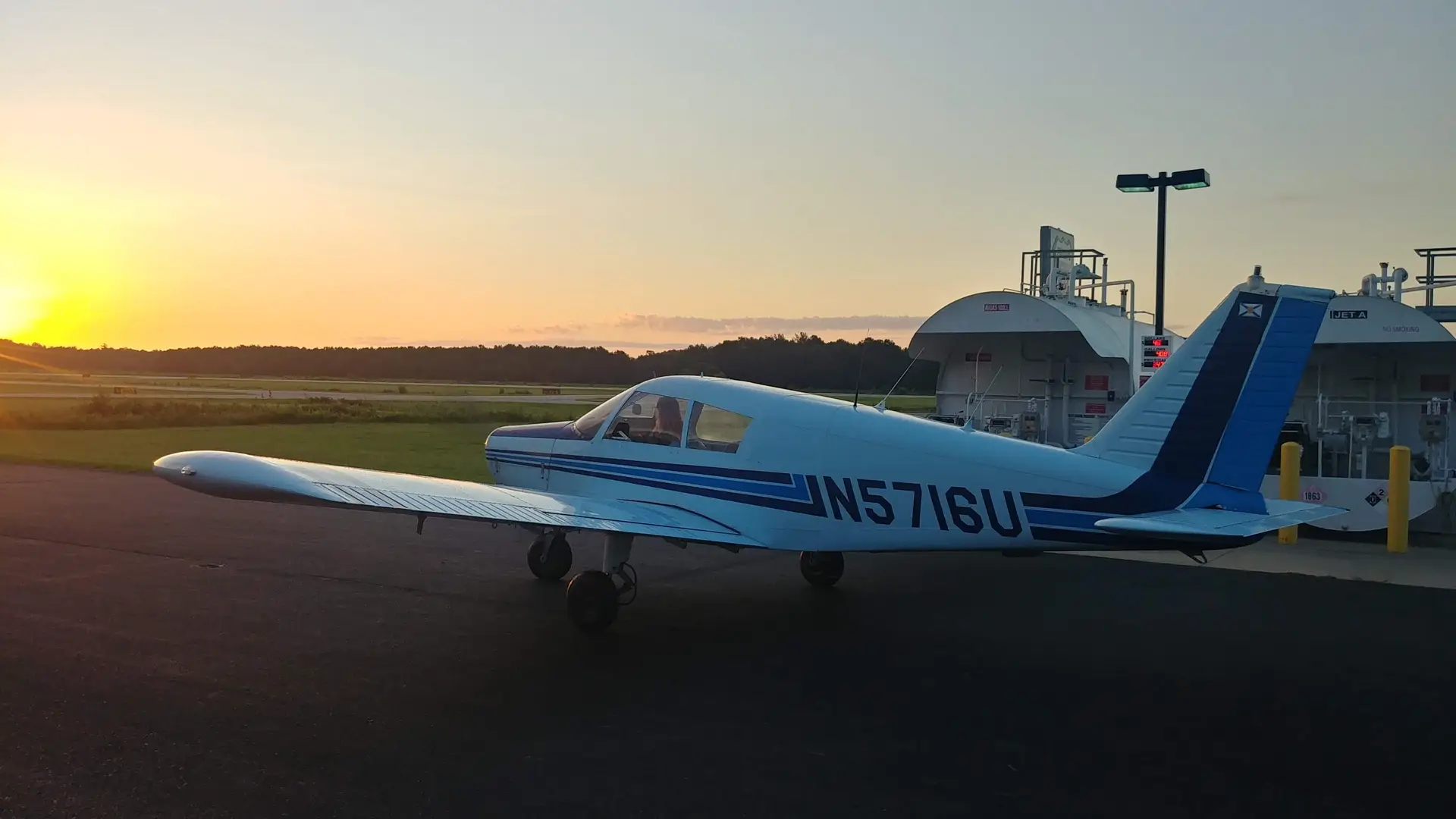
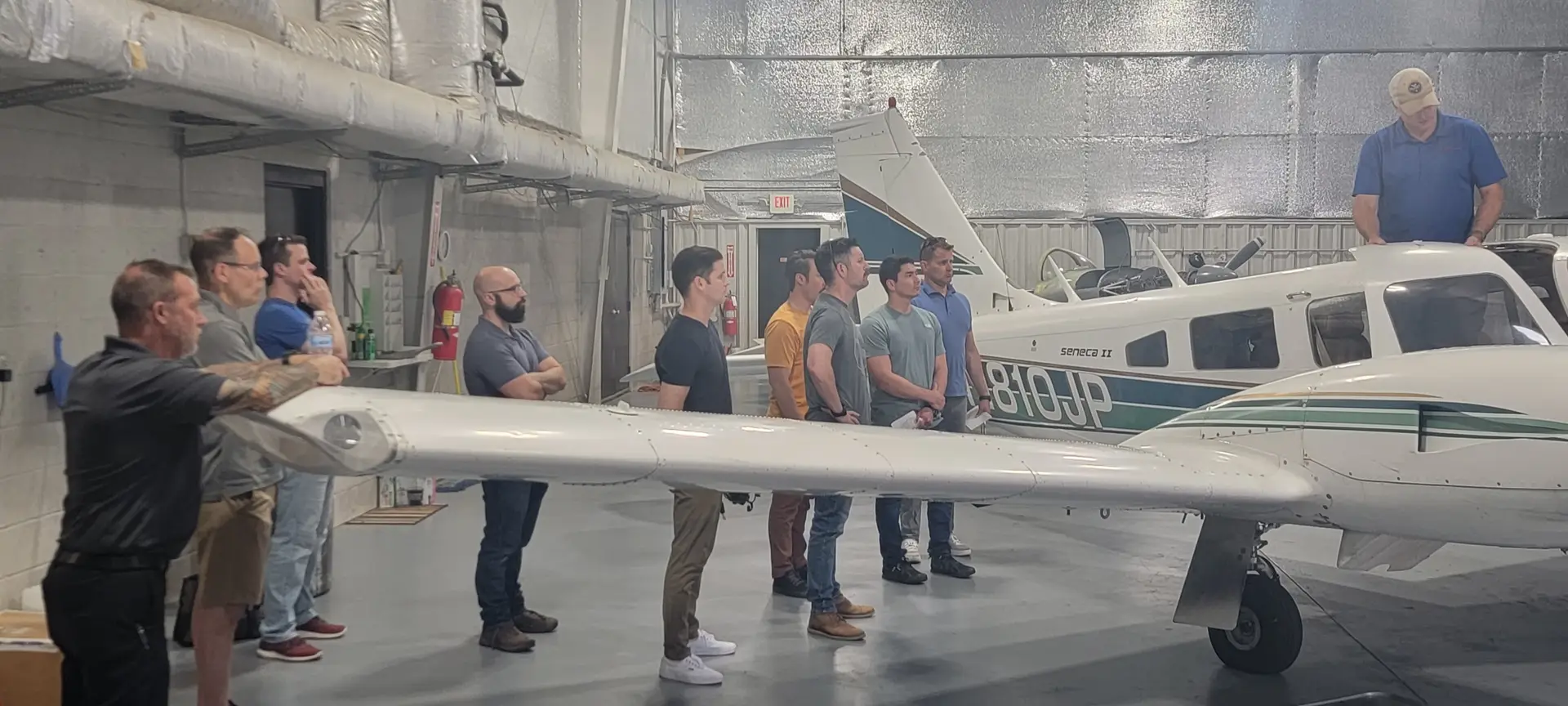
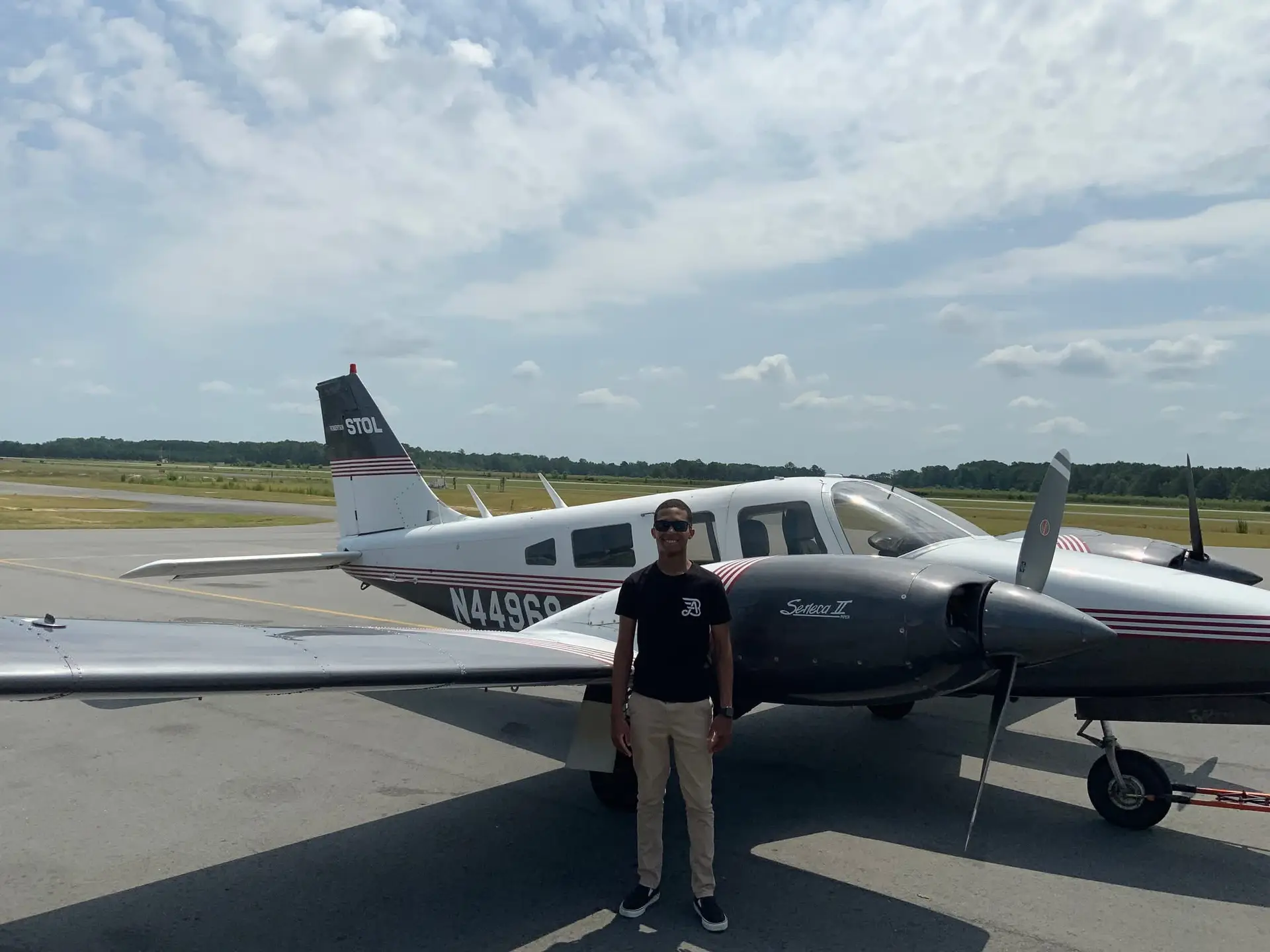
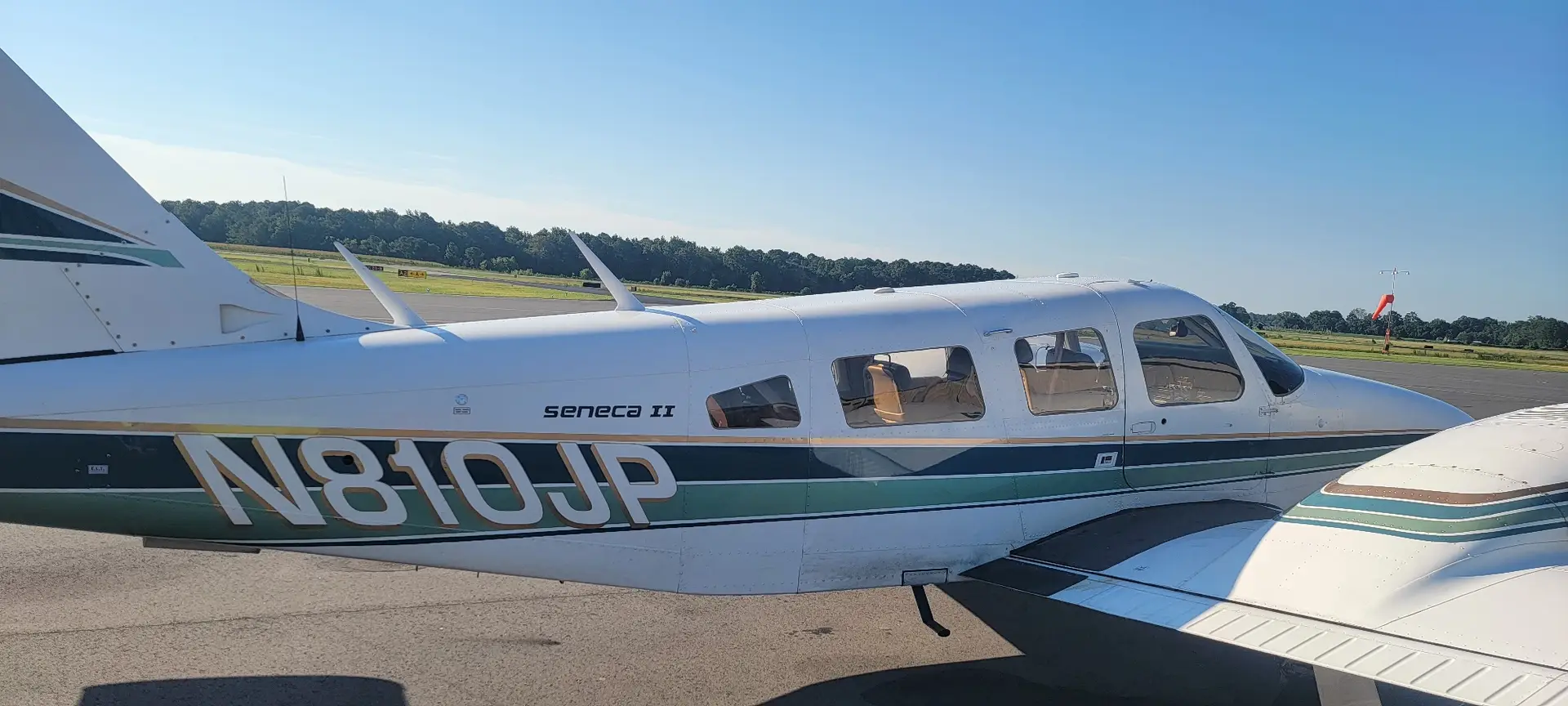
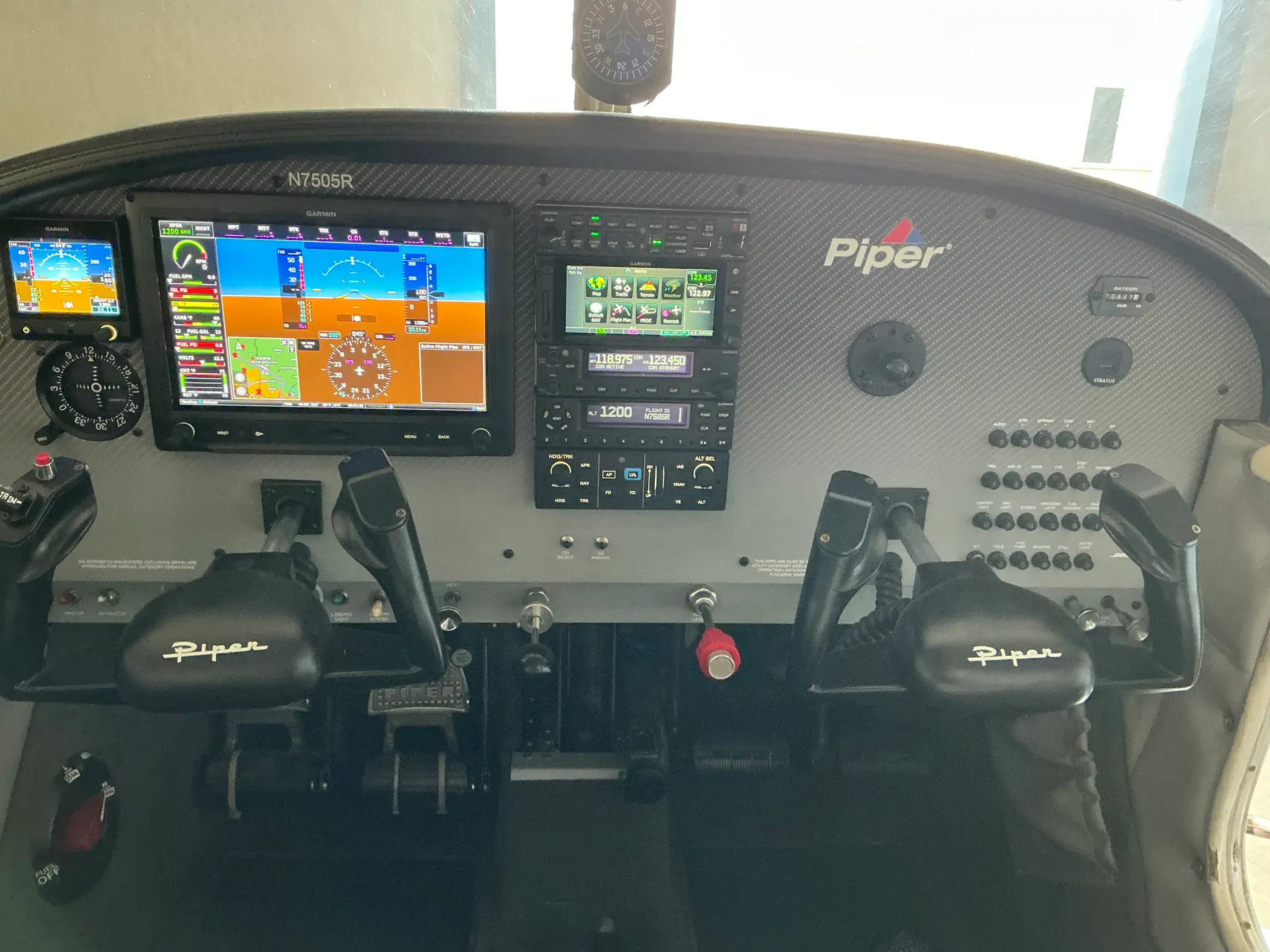
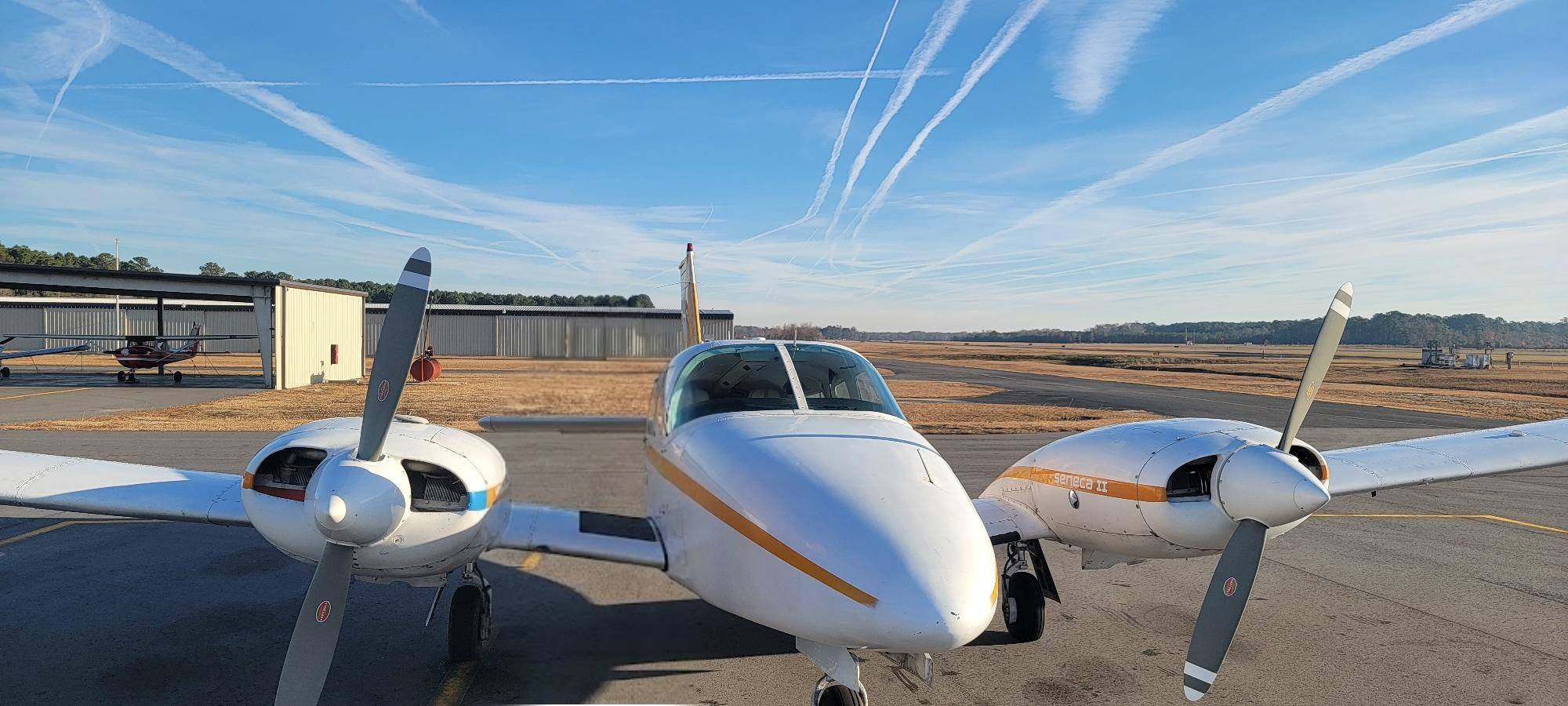
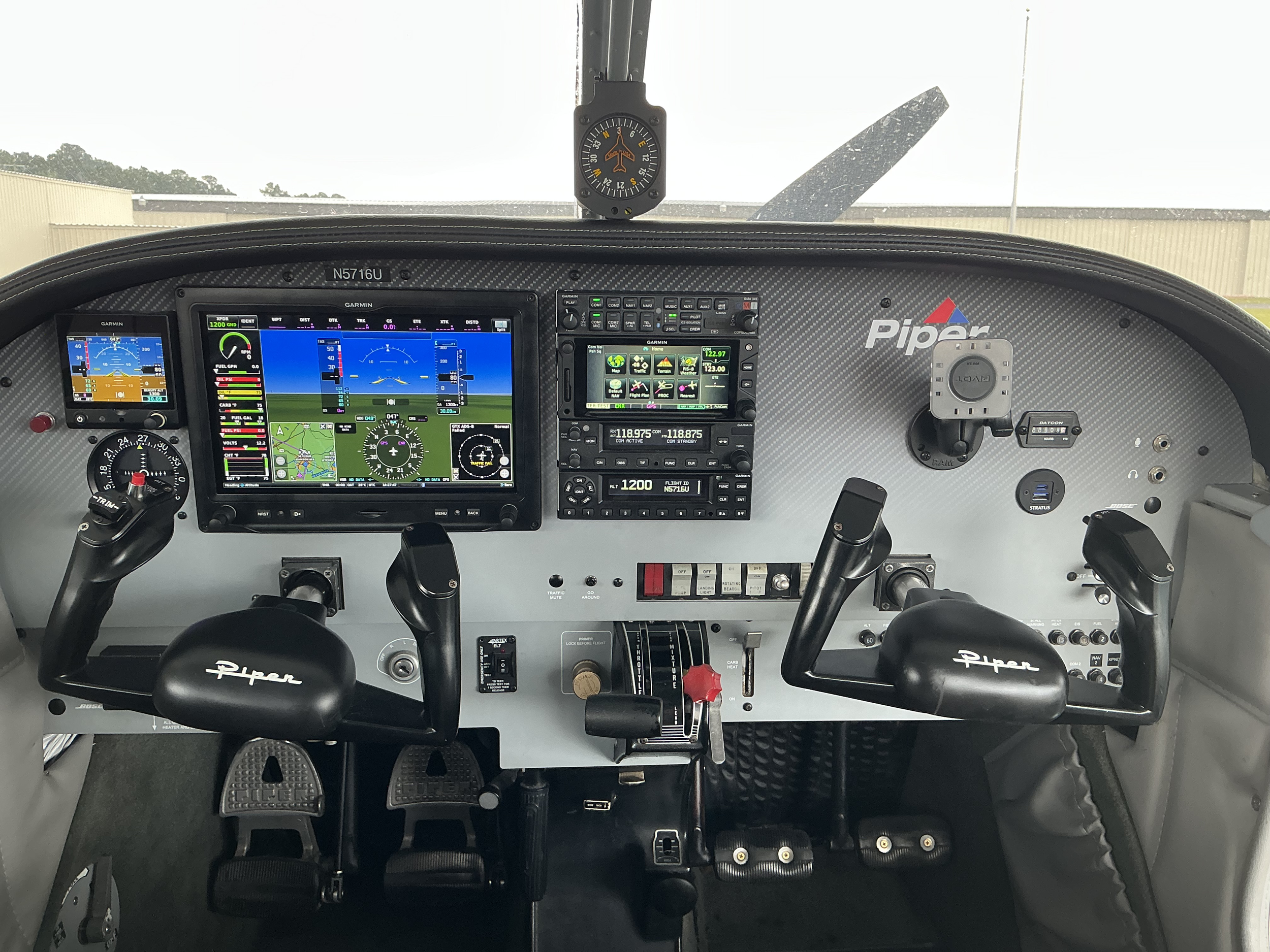
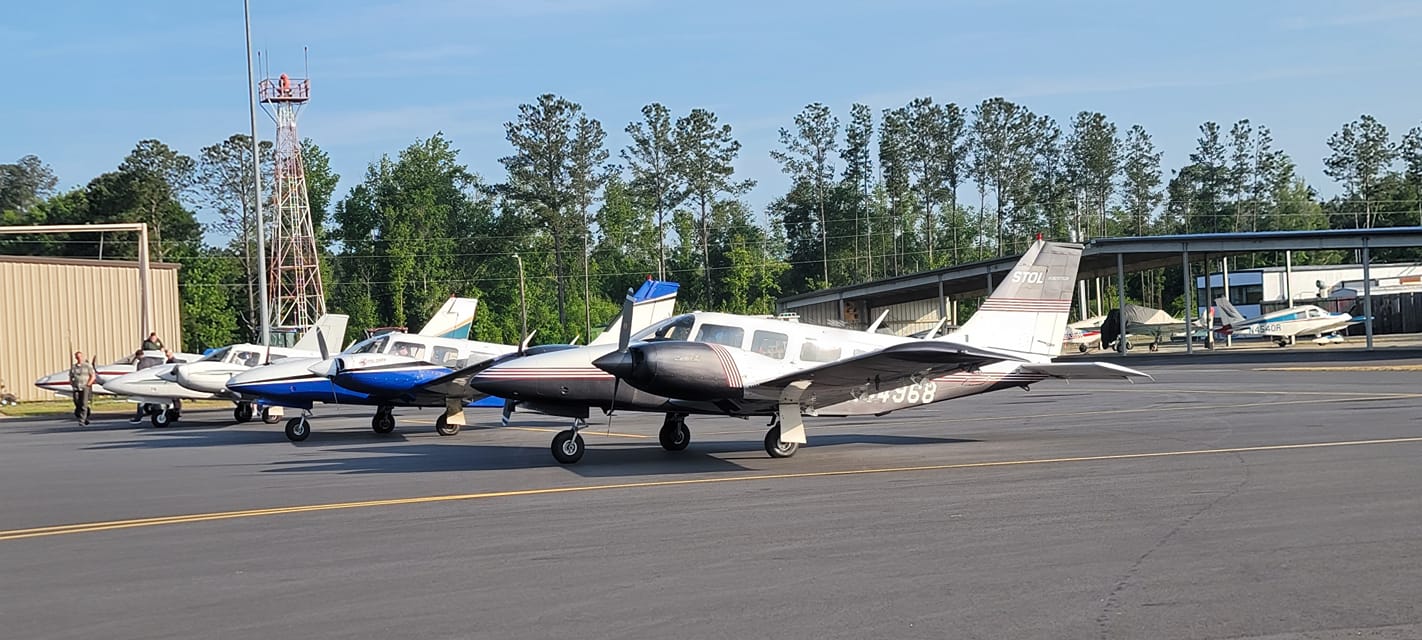
You also fly highly reliable aircraft. A dedicated, in-house maintenance team repairs airplanes immediately on-site. The fleet includes Piper Cherokee single-engine planes and six Piper Seneca II multi-engine aircraft. They feature modern Garmin G3X glass cockpits. When a plane needs maintenance, it gets fixed on the property immediately, not days later.
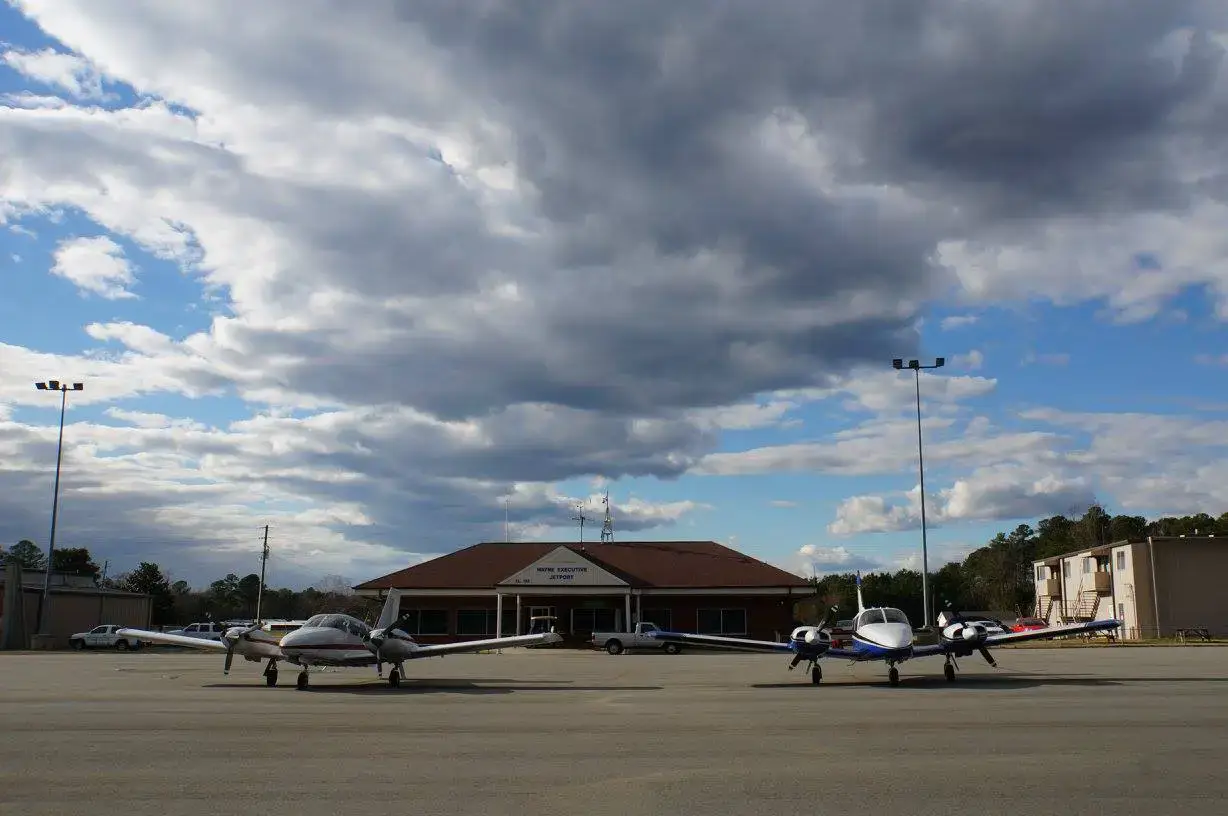
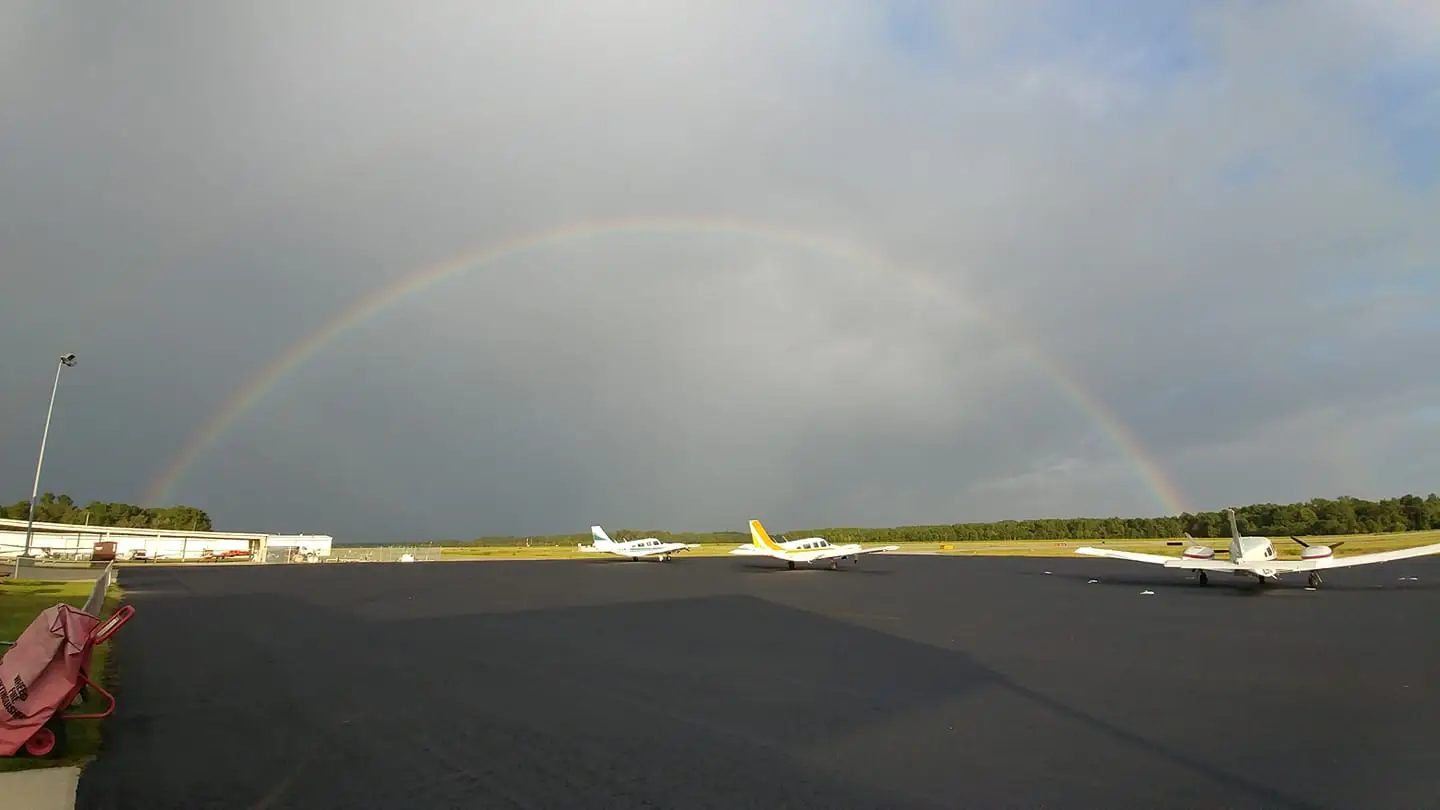
Finally, you stop wasting money on the ground. The academy operates out of Wayne Executive Jetport (KGWW) in the Pikeville and Goldsboro area. As a highly efficient non-towered airport, you avoid ATC taxi queues, keeping your average taxi time under five minutes. You spend your money in the air building experience, while mastering Air Traffic Control communication during structured cross-countries into nearby controlled airspace.
Mastering Accelerated IFR Training in North Carolina
Instrument training teaches you to fly by looking only at your dashboard screens. It is a critical skill for all professional airline pilots.
Many pilots learn this by wearing a view-restricting plastic hood on perfectly sunny days. But accelerated ifr training north carolina offers a massive environmental advantage. Central North Carolina gives you four distinct seasons and real, flyable weather.
Because the area avoids the sudden sea-breeze fogs of the coast, you get safe but authentic weather patterns. You can easily log more than 30 hours of flight time in actual Instrument Meteorological Conditions (IMC). You fly into real clouds. This makes you a deeply confident pilot. When you transition to flying regional jets, you will not panic in the weather. You will already know exactly how to handle it.
The Zero-to-CFI/CFII Ratings Path in 8 Months
You can piece your training together slowly over several years, or you can commit to a full-time, structured path. The most effective way to reach the airlines is through a complete, bundled program.
The Professional Pilot Track at M2A Aviation Academy takes you from a complete beginner to a certified flight instructor (CFI/CFII) in about eight months.
This comprehensive package costs $77,000. It includes everything you need to succeed. You get your flight training and six FAA written tests, with affordable housing options available.
Housing is a massive hidden stress in flight training. Finding a short-term local lease is difficult. Commuting takes valuable time away from studying. By living on campus, you remove all logistical friction. You wake up, walk to the hangar, and fly. You study with your peers in a strong, disciplined wingman culture.
This intense approach condenses a standard process into less than a year. Once you complete your CFI/CFII ratings, you can build your 1,500 hours to reach the airlines in up to 24 months total (compared to the typical 4 to 6 years on traditional paths). You learn from veteran airline captains and former military pilots who have over 10,000 flight hours. They do not just teach you to pass a test. They train you to become a captain.
Breaking Down the Accelerated Steps
How does this eight-month timeline actually break down? Every rating has a clear schedule and a set price.
You start with the private pilot phase. In just 9 weeks, you learn the fundamental basics of flight for $14,500.
Next, you spend 8 weeks earning your Instrument Rating. You learn to navigate through the clouds safely for $14,000.
Then, you move into the Commercial Pilot Certificate phase. This takes about 10 weeks and costs $38,000. You master advanced maneuvers and learn to fly to strict professional standards.
After that, you earn your Multi-Engine Rating. Because the flight line features six Piper Seneca II twins, you never wait for an airplane. You complete this rating in just 1 week for $5,000.
Finally, you become a certified instructor. You spend two weeks earning your Certified Flight Instructor (CFI) rating for $7,000. You spend another two weeks securing your CFII for $6,000. This allows you to start working, earning a paycheck, and building the 1,500 flight hours required by the airlines.
If you need help securing funds for this career path, you can explore the Financing options to make your aviation goals a reality.
Frequently Asked Questions
-
Can you really finish pilot training in 8 months?
Yes. If you treat flight training like a demanding full-time job, you can complete a structured Part 61 and 141 program from zero experience to flight instructor in about eight months. You must be prepared to fly and study five to six days a week.
-
Is an accelerated pilot program harder?
It requires more daily discipline, but the structured syllabus actually makes the learning process much smoother. You do not forget physical flying skills between lessons because you fly consistently every day.
-
What are Part 61 and 141 reduced hours?
The Federal Aviation Administration (FAA) allows approved Part 61 and 141 schools to graduate students with fewer total flight hours. This is legally permitted because the training syllabus is highly structured, regularly audited, and federally approved.
-
How much does the fast track program cost?
The complete Professional Pilot Track costs $77,000. This comprehensive price includes your flight training through CFI/CFII and your written tests, with affordable housing options available.
-
Why does in-house maintenance matter?
Airplanes break down. When a school relies on external, third-party mechanics, you might wait weeks for a simple repair. In-house maintenance means training planes are fixed immediately, keeping your accelerated timeline perfectly on track.
-
Do I have to wait for check-rides?
No. Because the academy employs two DPEs on staff, you take your test as soon as you are proficient. The school holds a 12-year track record of zero check-ride cancellations due to examiner delays.
-
Where is the flight school located?
The campus is located at the Wayne Executive Jetport (KGWW). The physical address is 278 Aviation Rd., Pikeville, NC 27863, serving the greater Goldsboro area.
Start Your Fast Track Pilot Training Today
The commercial airlines urgently need well-trained pilots. Every month you delay your flight training is a month of valuable seniority you lose at the airlines. You cannot afford to waste years at a slow, unstructured flight school.
You need a proven program. You need a modern, reliable fleet of aircraft. You need an institution that eliminates check-ride delays and keeps you consistently in the air.
Take control of your aviation future. Stop dreaming and start logging hours. Enroll at the Professional Pilot Track to secure your spot on the flight line today. Your captain’s seat is waiting.