Part 61 and 141 Flight Schools in North Carolina 2026 Guide
Published by:
CK.
Published on:
Updated on:
Read time:
7 min read
Part 61 and 141 flight schools in North Carolina are FAA-certificated pilot schools that train students under a structured, FAA-approved syllabus. For career-track students, that structure matters because every lesson, stage check, ground school block, and checkride milestone should move toward a defined professional pilot outcome.
If you are comparing Part 61 and 141 aviation schools, start with the core question: do you need maximum flexibility, or do you need a full-time training path with a clear sequence? Part 141 is usually the better fit for students who want to train seriously, fly often, and move through ratings with fewer gaps.
For FAA terminology, review the FAA’s pilot schools guidance and 14 CFR Part 141.
What Part 61 and 141 Means
Part 61 and 141 are the sections of federal aviation regulations that govern pilot schools. An FAA Part 61 and 141 flight school must use approved training course outlines, structured syllabi, instructor oversight, records, facilities, and FAA-reviewed curriculum standards.
That does not mean every Part 61 and 141 school is automatically the right school for every student. It means the school operates under a more formal training framework than a typical self-paced Part 61 arrangement.
Part 61 and 141 training is best for students who:
- Want aviation as a career, not only as a hobby
- Can train on a consistent full-time schedule
- Prefer a defined syllabus and measurable milestones
- Want fewer long breaks between ratings
- Need a training environment that feels closer to professional aviation
Part 61 can still be a strong fit for recreational pilots, local students with unpredictable schedules, and people who need a slower pace.
Part 141 vs Part 61
Both paths can produce safe, capable pilots. The difference is the structure around the training.
| Question | Part 141 Flight School | Part 61 Training |
|---|---|---|
| What does it mean? | FAA-certificated pilot school using approved course curricula and structured syllabi | Training under Part 61 rules with an authorized instructor or school, usually with more scheduling flexibility |
| Best fit | Full-time career students and accelerated training paths | Recreational pilots, local students, or pilots who need a self-paced schedule |
| Training format | Defined lessons, stage checks, records, and standardized course flow | More flexible lesson sequencing based on instructor and student availability |
| FAA minimums | Private airplane courses require at least 35 hours of flight training under Part 141 Appendix B; commercial airplane courses require at least 120 hours of flight training under Part 141 Appendix D | Private airplane applicants generally need at least 35 hours under 14 CFR 61.109; commercial airplane applicants generally need at least 250 total flight hours under 14 CFR 61.129 |
| Main advantage | Structure, accountability, and momentum | Flexibility and local scheduling convenience |
| Main risk | Works best only if the student can commit to the pace | Long gaps can increase review flights, delays, and total cost |
FAA minimums are not completion guarantees. Most students should budget for proficiency, weather, testing, aircraft availability, and personal readiness, not just the legal minimum number.
Why Train in North Carolina
North Carolina gives career-track pilots a practical training mix: changing weather, manageable airspace, coastal and inland cross-country options, and access to controlled airspace operations without the congestion of a major airline hub.
That matters for instrument and commercial students. You want real decision-making practice, not just calm-weather pattern work. You also want efficient lessons where most of the billable aircraft time is spent flying the objective, not waiting behind airline traffic.
For students researching the broader path, read How to Become a Pilot in North Carolina in 2026. That guide walks through the full sequence from medical and discovery flight through private, instrument, commercial, multi-engine, and instructor ratings.
Wayne Executive Jetport Context
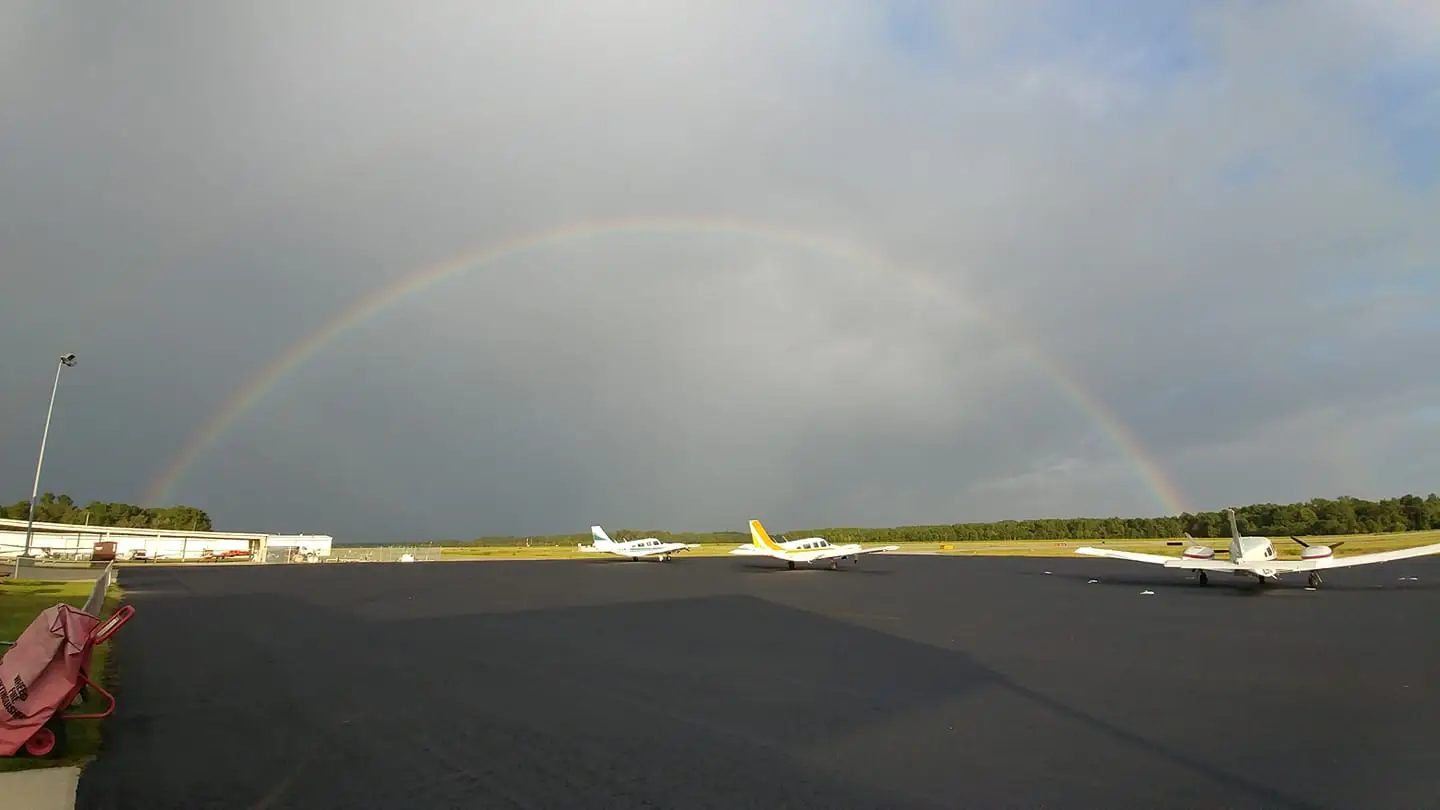
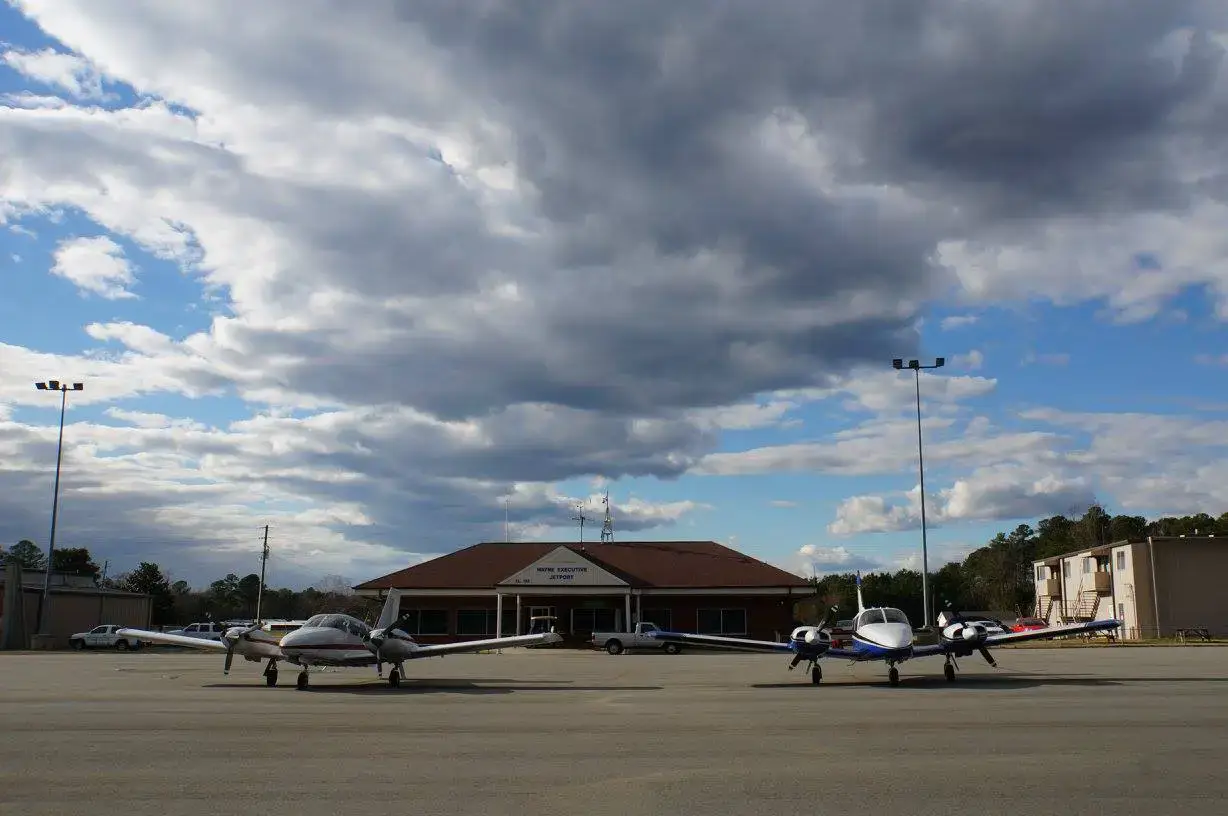
M2A trains at Wayne Executive Jetport (KGWW) in Pikeville, North Carolina. KGWW gives students a useful combination: an efficient non-towered home field that eliminates taxi wait times, paired with structured cross-country training into nearby controlled airspaces.
Structured cross-country flights help students build professional radio discipline from the beginning. You practice listening, reading back instructions, operating in controlled airspace, and making decisions while coordinating with Air Traffic Control.
The location also supports full-time training logistics. Students can stay close to the training environment, use nearby practice areas, and move through a tighter daily schedule. For students relocating to North Carolina, on-site accommodations can remove housing, commuting, and short-term lease distractions.
What to Look For in Part 61 and 141 Aviation Schools
The best flight schools in North Carolina for career students are not simply the ones with the lowest hourly rate. Compare the full training system.
Look for:
- Approved training structure: A clear Part 61 and 141 syllabus with defined milestones
- Fleet reliability: Enough aircraft and maintenance support to keep students flying
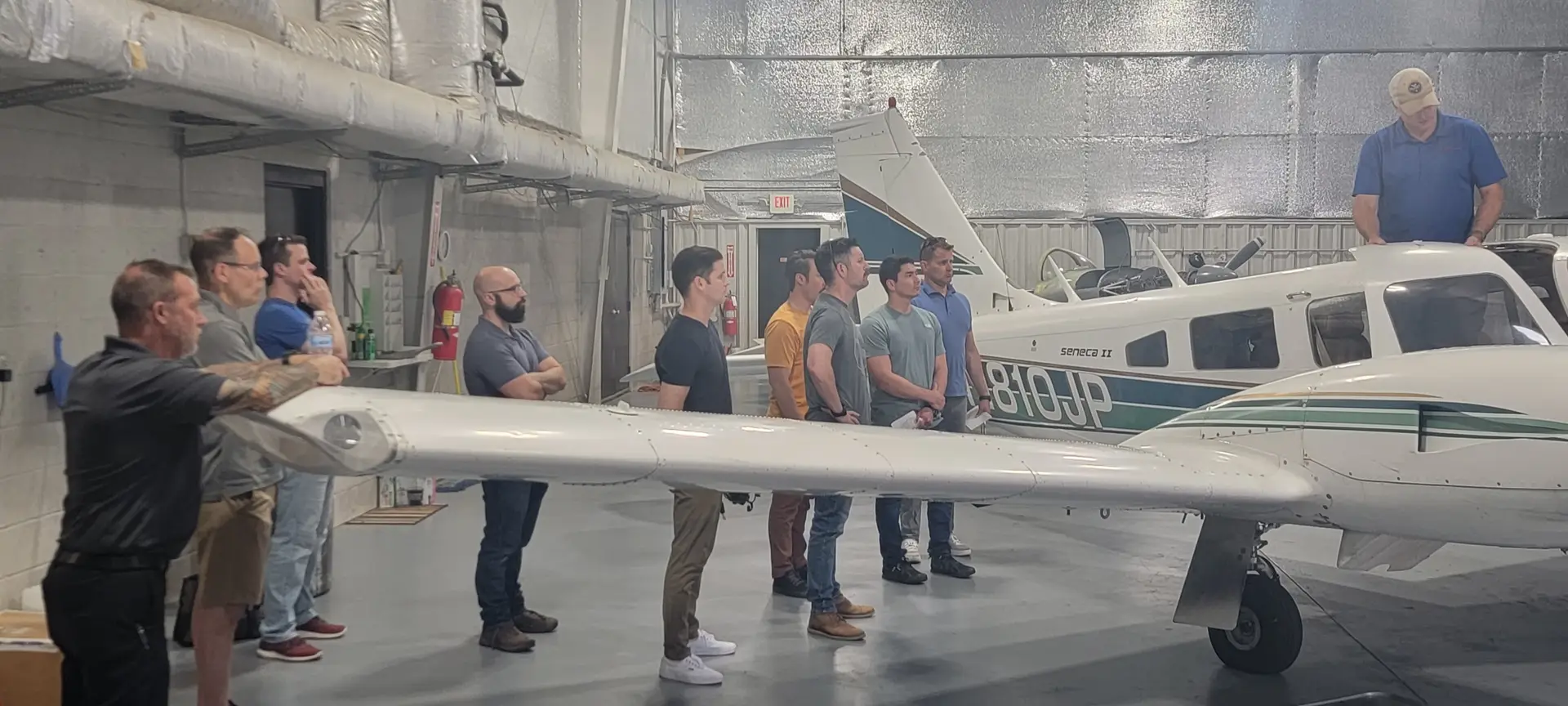
- Instructor quality: Standardized instruction and experienced mentors
- Checkride access: A plan for examiner scheduling instead of long training gaps
- Housing support: Practical relocation support for full-time students
- Professional airport context: Daily ATC communication and efficient access to practice areas
- Transparent cost: A clear explanation of what is included and what can add cost
For cost planning, read Pilot Training Cost in North Carolina 2026 Guide. Cost depends on more than the advertised aircraft rate; delays, housing, written exams, checkrides, and time-building all matter.
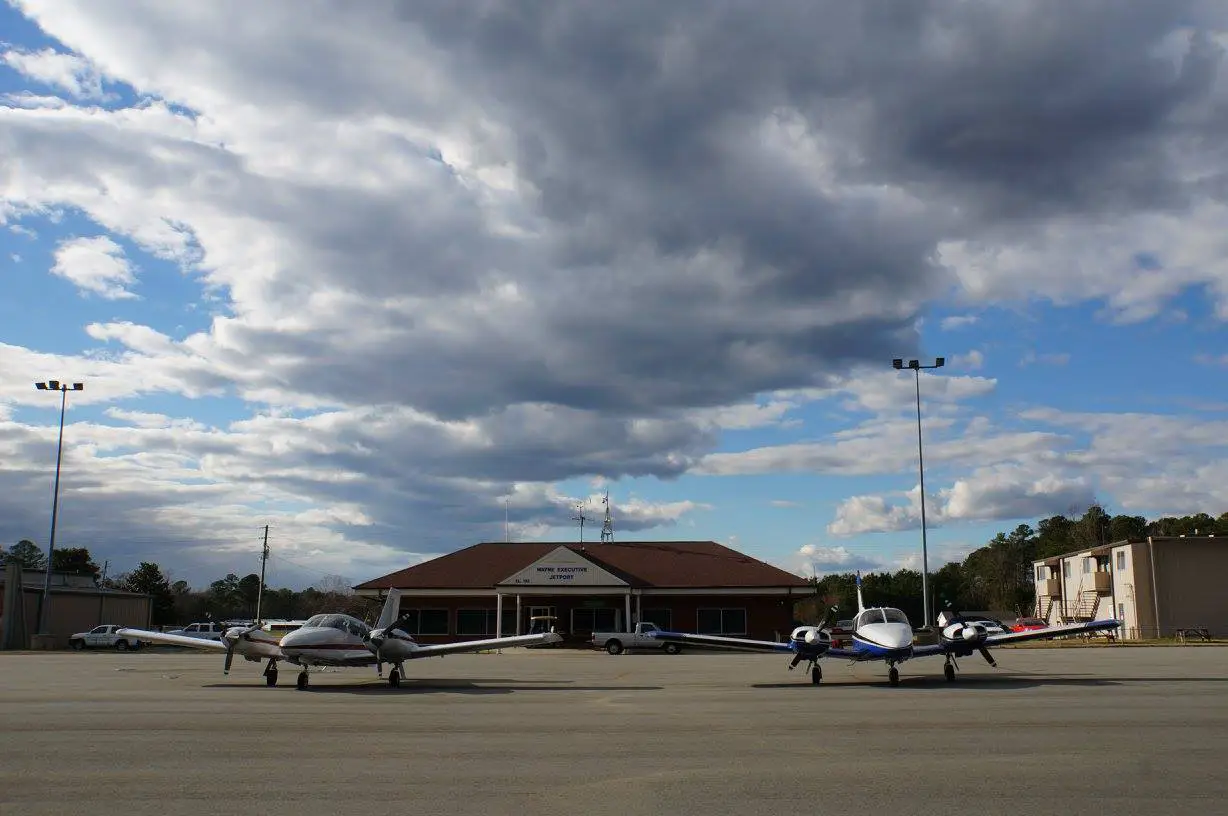
Part 61 and 141 Flight Training at M2A Aviation Academy
M2A Aviation Academy is built for students who want a serious, structured path to professional flying. The Professional Pilot Track is a full-time training program designed to take qualified students from zero experience through commercial pilot and instructor ratings.
The program is positioned around the problems that slow career students down:
- Full-time Part 61 and 141 structure
- Training at a highly efficient home base paired with controlled airspace practice
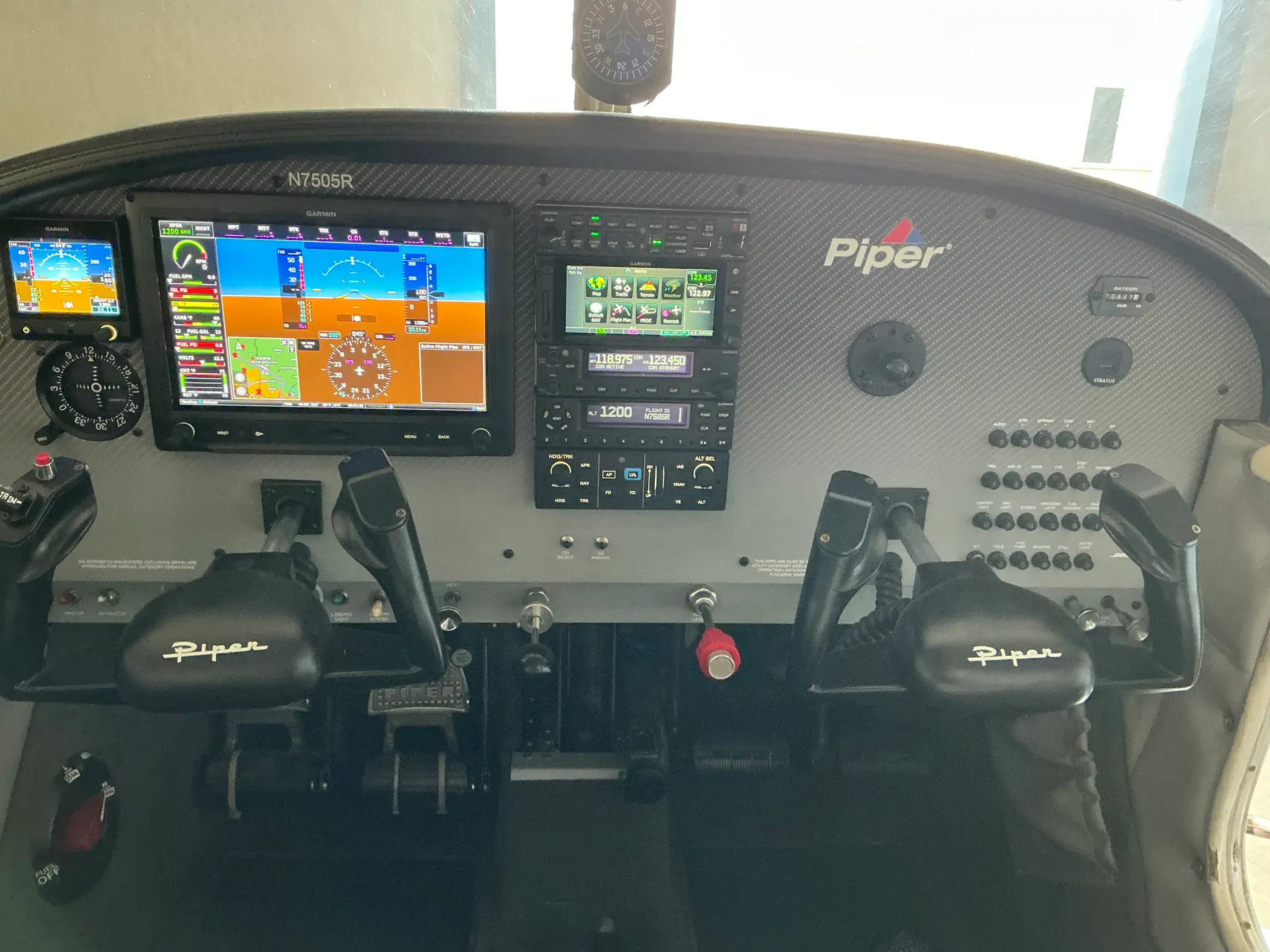
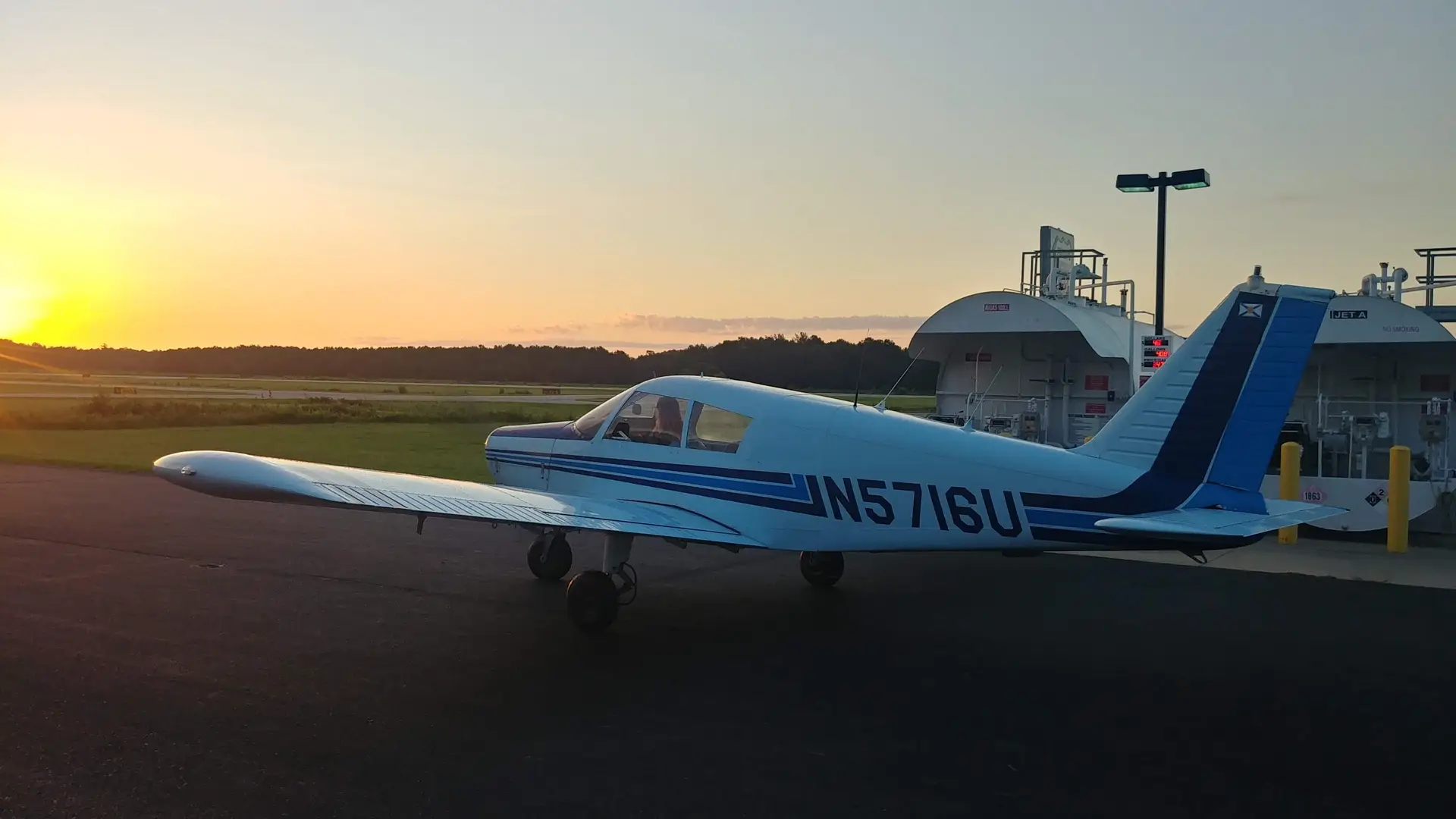
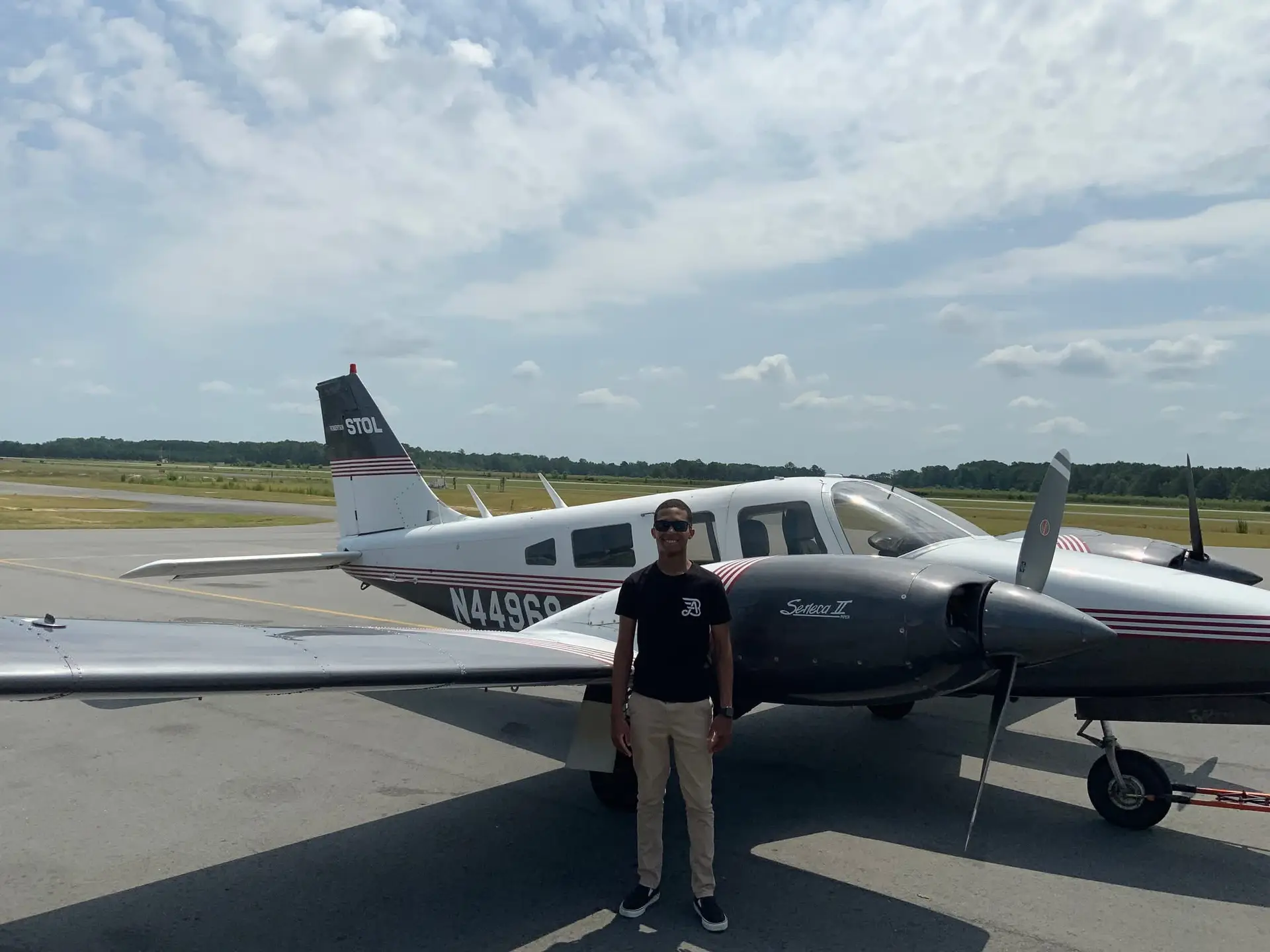
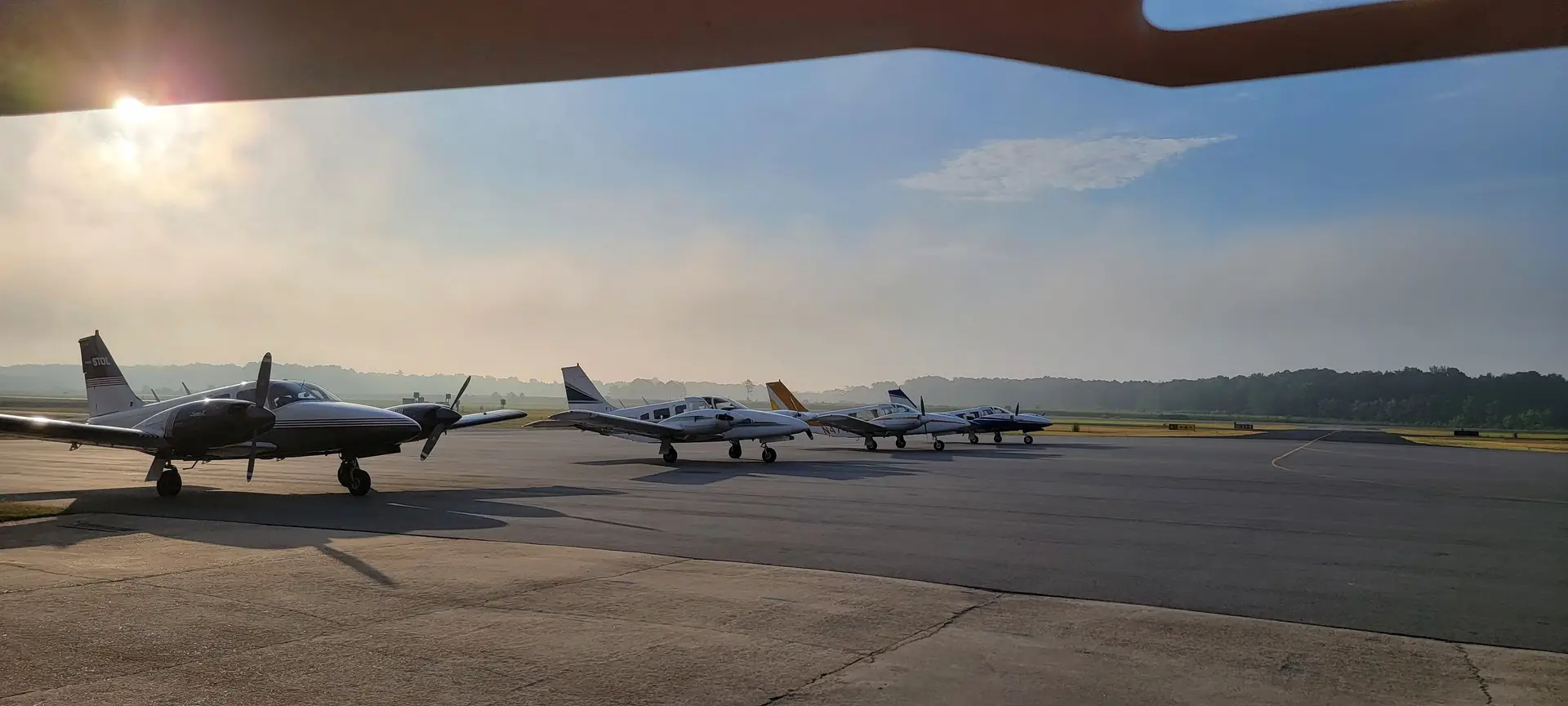
- Piper Cherokee and Piper Seneca II aircraft
- In-house maintenance support
- Two Designated Pilot Examiners on staff
- housing available for eligible full-time professional track students
- A clear path through CFI and CFII training
You can also compare all available flight training programs if you are not sure whether the full professional track or an individual rating course is the right fit.
Frequently Asked Questions
-
What is a Part 61 and 141 flight school?
A Part 61 and 141 flight school is an FAA-certificated pilot school that uses structured training programs, approved course curricula, instructor oversight, and FAA-reviewed operating standards under 14 CFR Part 141.
-
Is Part 141 better than Part 61?
It depends on the student. Part 141 is usually better for full-time career-track students who want structure and momentum. Part 61 is often better for recreational pilots or students who need a flexible schedule.
-
Are there Part 61 and 141 flight schools in North Carolina?
Yes. North Carolina has Part 61 and 141 training options, including M2A Aviation Academy in Pikeville. When comparing schools, look beyond the certificate and evaluate aircraft availability, instructor quality, testing access, housing, and total cost.
-
Does Part 61 and 141 require fewer flight hours?
Some FAA-approved Part 141 courses have lower minimum course-hour requirements than comparable Part 61 paths. Minimums are not completion guarantees, so students should compare the full training plan and realistic completion cost.
-
How do students build ATC communication habits without home-base delays?
Students build controlled-airspace habits during structured cross-countries to nearby towered airports. At KGWW, you get the benefit of instant departures and maximum flying time, while mastering radio communications in nearby airspaces without the congestion of a major hub.
-
Does M2A provide housing for Part 61 and 141 students?
Housing is available for a small fee for eligible full-time students in M2A’s Professional Pilot Track. Review the on-site accommodations page for details.
Start With the Right Training Structure
If your goal is a professional pilot career, choose the school that gives you structure, aircraft access, examiner access, housing support, and a clear progression through ratings.
Start by reviewing M2A’s flight training programs, then compare the full Professional Pilot Track when you are ready for a full-time Part 61 and 141 path in North Carolina.