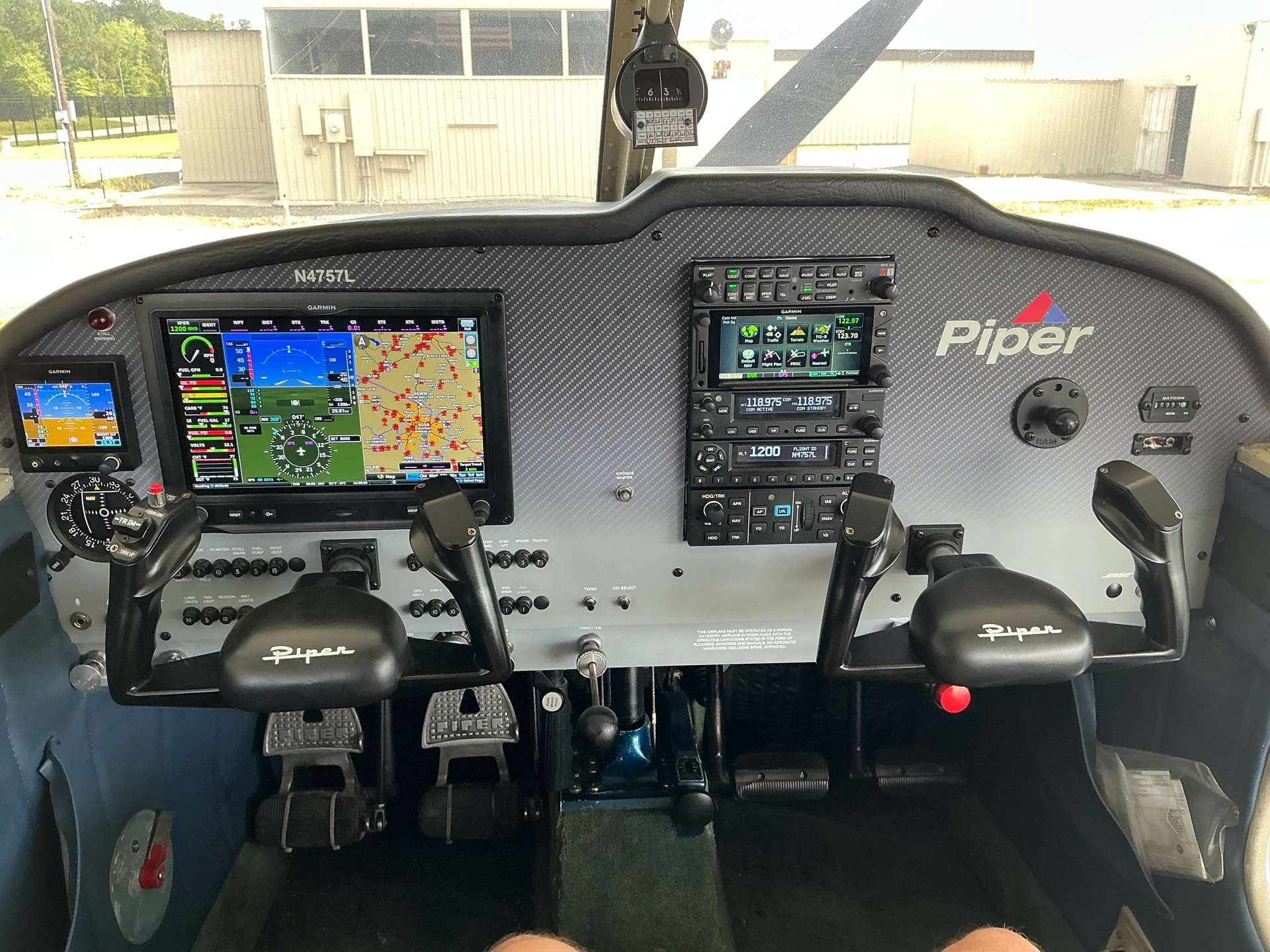
Is Flight School Worth It
in 2026?
At M2A Aviation Academy in Pikeville, North Carolina, we answer that question with data, numbers, and a clear path forward so you can make the best decision for your future.

The Aviation Industry Boom
and Your Future
The world needs more pilots, and that demand is not slowing down anytime soon. Airlines are facing a historic shortage of qualified captains and first officers, and that gap creates a direct opportunity for every student who starts training today.
Boeing projects a need for 660,000 new commercial pilots worldwide by 2044. Older pilots are retiring daily while airlines continue expanding their fleets to meet surging travel demand. In the United States alone, the shortage is expected to peak at roughly 24,000 pilots around 2026.
Air travel is growing faster than nearly every other sector of the economy. After a brief post-pandemic recovery period, airline hiring came back strong in 2026 and shows no signs of cooling. When you begin your flight training now, you step into a market that genuinely needs your skills from day one.
New commercial pilots needed by 2044
U.S. pilot shortage peak around 2026
Airlines are looking for you the moment you qualify
Command a High Salary Fast
CFI / CFII
$30K – $50KBuild your 1,000+ hours while earning as a Certified Flight Instructor
Regional First Officer
$90K+First-year pay at a regional airline after reaching ATP minimums
Regional Captain
$130K – $180KUpgrade to captain as seniority grows, typically within 2 to 4 years
Major Airline Captain
$226K – $450KMedian airline pilot salary is $226,600/yr. Senior captains command up to $450K annually
Conventional career paths often take decades to reach six figures. As a professional pilot, your earning power accelerates much faster, and you get paid to do work that most people only dream about.
Once you complete your Commercial Pilot Training and Certified Flight Instructor requirements, income starts immediately. Many graduates begin as Certified Flight Instructors, earning between $30,000 and $50,000 per year while accumulating the 1,000-plus hours required for the airlines.
Regional airlines offer strong salaries, full benefits, and travel perks from your very first year. A starting First Officer can earn $90,000 or more. As seniority builds and you upgrade to captain, the numbers climb considerably higher.
The median airline pilot salary currently stands at $226,600 per year. Senior captains at major carriers command anywhere from $130,000 to $450,000 annually. The Career Track at M2A Aviation Academy is designed to get you to those numbers on the most efficient timeline possible.
View Training ProgramsPilot Training vs.
Traditional College
How does flight school compare to a traditional four-year degree? The numbers likely surprise most people. Our Zero-to-Hero track gets you earning significantly faster than a conventional academic route.
College Path
- Tuition, room, and board — $30,000 spent
- No professional income generated
- 3 more years of coursework ahead
Net Position
-$30,000
DebtPilot Path
- Complete 5 FAA certificates — ~$77,000
- Finish in 8 months through the Professional Track
- Begin earning $30,000-$50,000 as a flight instructor
- Rapidly accumulate your 1500 hours towards the Airlines
Net Position
-$77,000
InvestedPilot Advantage — Year 1
Pilot career begins immediately. College student still has 3 years ahead.
Projections are illustrative. Actual figures vary by market, individual circumstances, and training path chosen. Sources: Boeing Pilot Outlook 2025 · Epic Flight Academy Salary Report 2026 · EducationData.org
The Hidden Costs of a
Traditional College Degree
$124,000
Average 4-year public college total cost
$32K–$36K
Average student debt carried at graduation
8–14%
Of early paychecks consumed by debt payments
45%
Of graduates who find a job within 3 months
$69,600
Average starting salary for college graduates
6–12 mo.
Average time many graduates spend unemployed after earning their degree
Many students assume a four-year degree is the safest financial decision they can make. But the data tells a more complicated story. College costs keep rising while the return on that investment continues to shrink.
The average public college education costs $124,000 over four years. Most graduates walk away carrying between $32,000 and $36,000 in student debt that immediately claims 8 to 14 percent of every early paycheck. That weight makes it harder to buy a home, start a family, or build any real financial momentum.
Finding a job is also harder than the brochure suggests. Only about 45 percent of college graduates land a position within their first three months. Many spend 6 to 12 months unemployed after graduation. And when work does arrive, it pays less than most expect. The average starting salary for a college grad is $69,600, and even STEM degrees only average around $77,000.
So why spend four years accumulating debt for a job that pays less than a First Officer's starting salary? Flight school is a direct investment in a career that compensates you well, promotes quickly, and keeps demand growing. That is why, for the right person, asking whether flight school is worth it is actually the right question to be asking in 2026.
Begin Your Aviation Journey at
M2A Aviation Academy
Your career outcome depends entirely on the quality of your training, and that starts with choosing the right school. At M2A Aviation Academy in Pikeville, North Carolina, you train under a structured program built to produce professional-grade pilots.
Our veteran airline captain instructors bring over 10,000 hours of real-world flying experience into every lesson. That is not classroom theory. It is institutional knowledge earned at 37,000 feet. You learn from professionals who have done the job you are training for.
We maintain two Designated Pilot Examiners on staff, which means zero checkride waitlists. While most schools make students wait 3 to 8 weeks for an available DPE, our students test on schedule. That 12-year, zero-cancellation record is not a marketing claim. It is a verified operational standard.
Our Professional Pilot Track takes students from zero experience to a paid job in the Aviation industry in an average of 8 months, compared to the 4 to 6 years it takes through part-time training at many schools. With 34,000-plus pilots trained, we know exactly what it takes to get you there.
Financing is available through Stratus Financial, and our team will walk you through every option. We also offer on-site student accommodations so you can train full-time without logistical distractions. The sky is not a destination. It is your future career.
34,000+ pilots trained since our founding
Average 8-month completion on the full professional track
12-year zero checkride cancellation record
Instructors with 10,000+ real-world flight hours
Two on-staff DPEs. No waitlists, ever.
Flexible financing through Stratus Financial
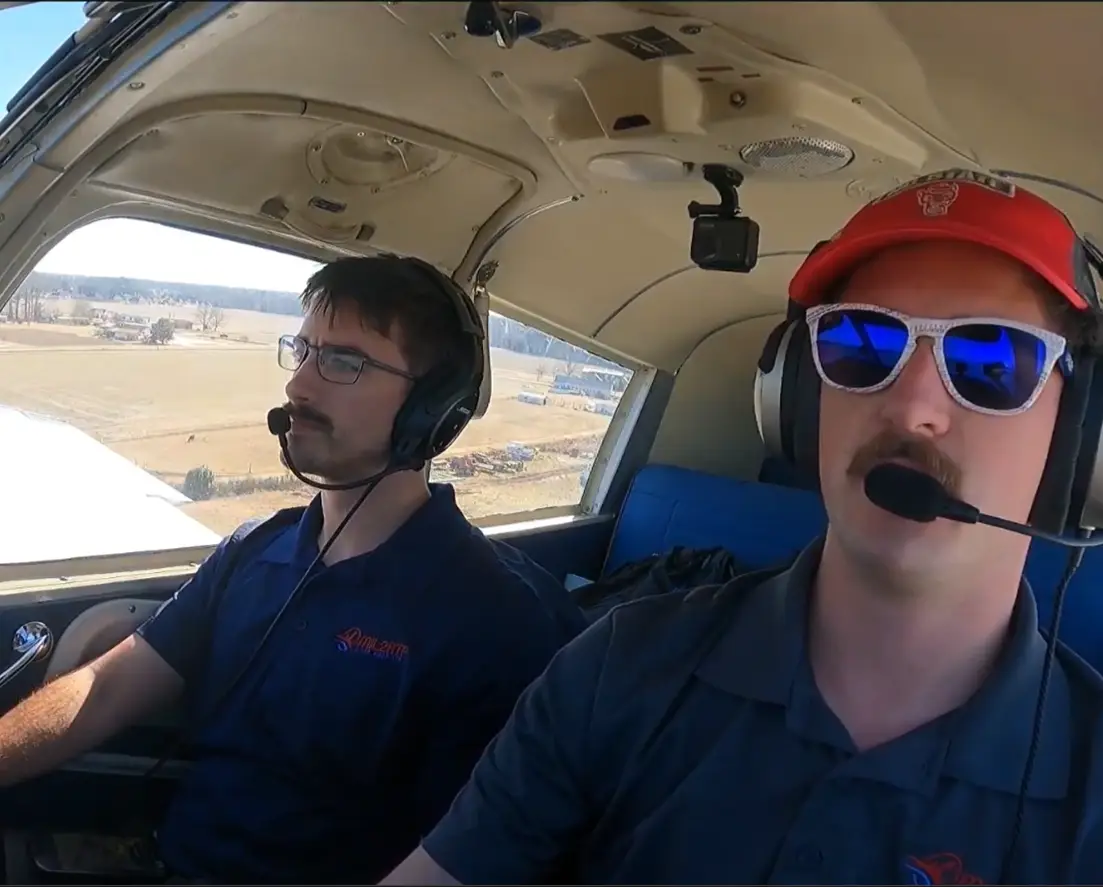
34,000+ Pilots Trained
12-year zero-cancellation record. Two on-staff DPEs.
Still Asking If Flight School Is Worth It?
Reach out to our admissions team. We will give you the unfiltered data, answer your real questions, and help you decide if the Professional Pilot Track at M2A Aviation Academy in Pikeville, North Carolina, is the right move for you. No pressure, no sales scripts.