How to Become a Pilot in NC: 2026 License Guide
Published by:
CK.
Published on:
Updated on:
Read time:
9 min read
You have looked up at the sky and decided you want to be in the cockpit. The path to a professional aviation career is exciting, offering unmatched freedom and a rewarding lifestyle. But it can also feel confusing for beginners. You need clear, simple answers on how to become a pilot in North Carolina in 2026.
If you are comparing pilot license options in NC, the most important question is not just where to take your first lesson. It is how the full path fits together from medical planning and a discovery flight through private pilot, instrument, commercial, multi-engine, CFI, and CFII training.
Your training deserves the best environment. You need a structured plan, clear costs, and reliable aircraft to reach your goals. At M2A Aviation Academy, we guide you through every phase of flight training. We remove the roadblocks so you can focus on flying.
Here is the exact step-by-step path you will take from your first flight to an airline cockpit.
The Step-by-Step Path to Earning Your Wings
To fly for a living, you must earn a series of specific pilot certificates. You build your skills one step at a time in a logical, proven order. This is the complete path to becoming a professional pilot in North Carolina in 2026.
| Step | What You Do | M2A Path |
|---|---|---|
| Medical and eligibility | Confirm your career goal, review FAA medical expectations, and make sure you are ready for full-time training | Admissions planning before enrollment |
| Discovery flight | Fly with an instructor, see the training environment, and confirm that aviation is the right path | Schedule a discovery flight |
| Private pilot certificate | Learn aircraft control, navigation, radio communication, solo flying, and passenger privileges | Private Pilot Certificate |
| Instrument rating | Learn to fly by reference to instruments and operate safely in clouds and low-visibility conditions | Instrument Rating |
| Commercial pilot certificate | Train to professional standards so you can be paid for flying | Commercial Pilot Certificate |
| Multi-engine rating | Add twin-engine aircraft experience and prepare for larger, faster aircraft | Multi-Engine Rating |
| CFI and CFII | Become qualified to teach, earn income, and build the flight time needed for airline minimums | Certified Flight Instructor and CFII |
Building the Foundation: The Private Pilot Certificate
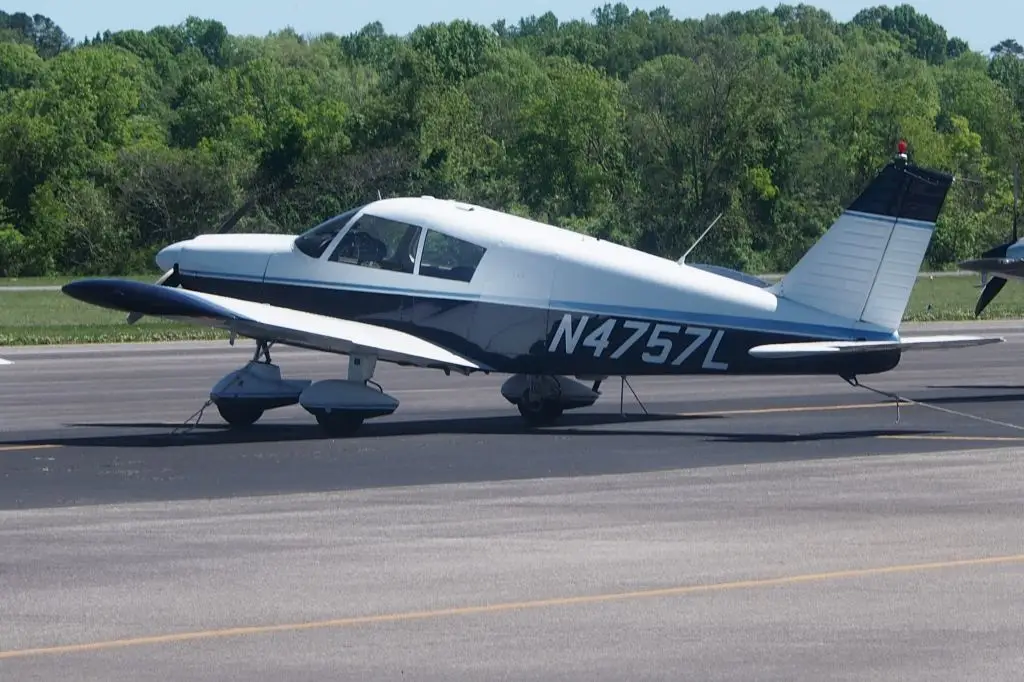
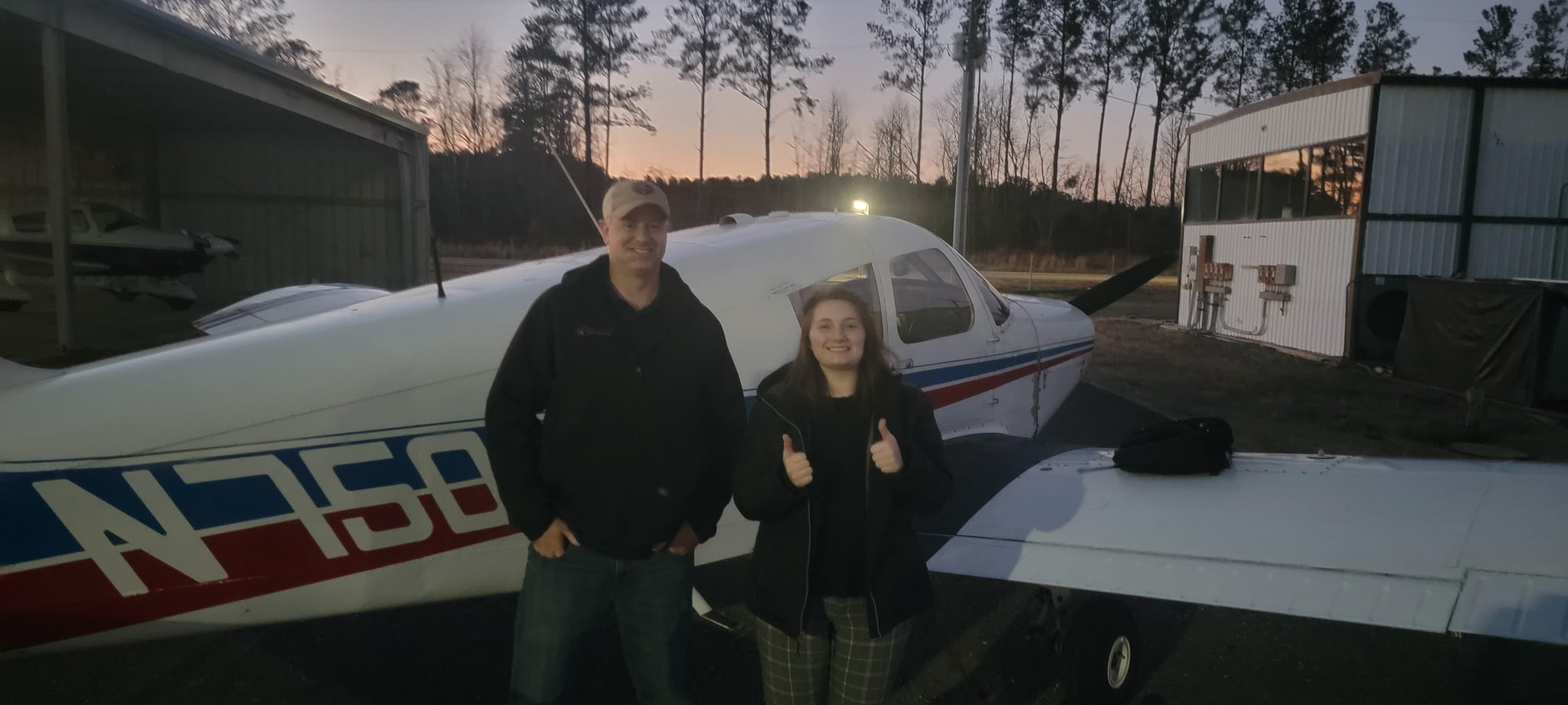
This is your starting line. The Private Pilot phase teaches you the basics of flight, navigation, and radio communication. You learn how to control a Piper Cherokee safely. This takes about 9 weeks. Once you pass, you can fly solo and carry passengers in good weather.
Mastering the Clouds: The Instrument Rating
Flying by looking outside is great, but airlines fly in the clouds. The Instrument Rating teaches you to fly using only your cockpit instruments. You will train on modern Garmin G3X glass cockpits. This phase takes about 8 weeks and makes you a much safer, more capable aviator.
Getting Paid to Fly: The Commercial Pilot Certificate
You cannot get paid to fly until you hold a Commercial Pilot certificate. This training refines your skills to a professional standard. You learn complex maneuvers and advanced aircraft control. This phase takes about 10 weeks, ensuring you meet the strict standards required for commercial operations.
Upgrading Your Skills: The Multi-Engine Rating
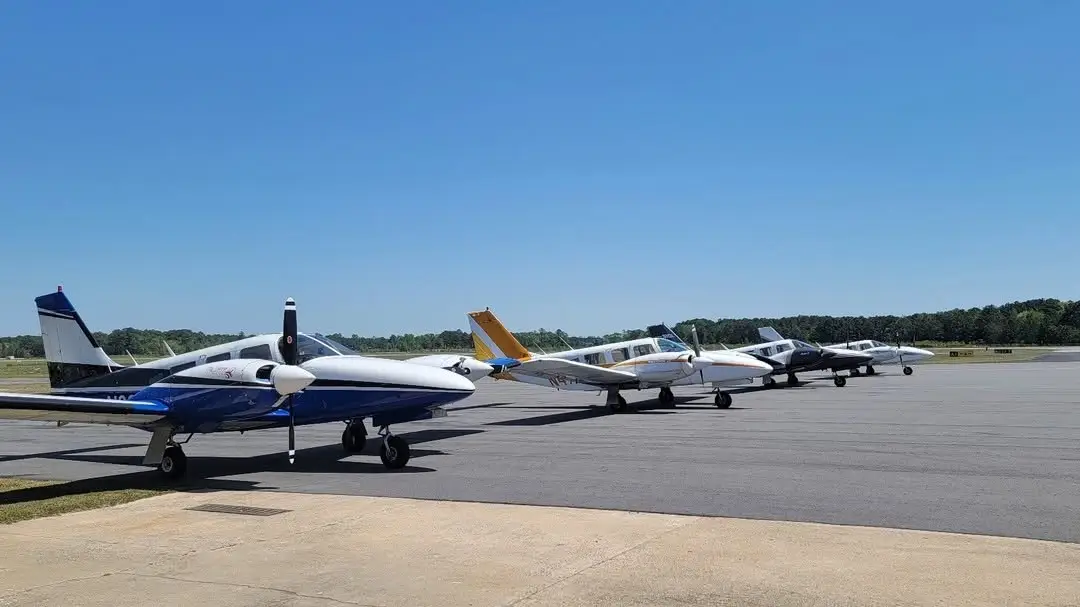
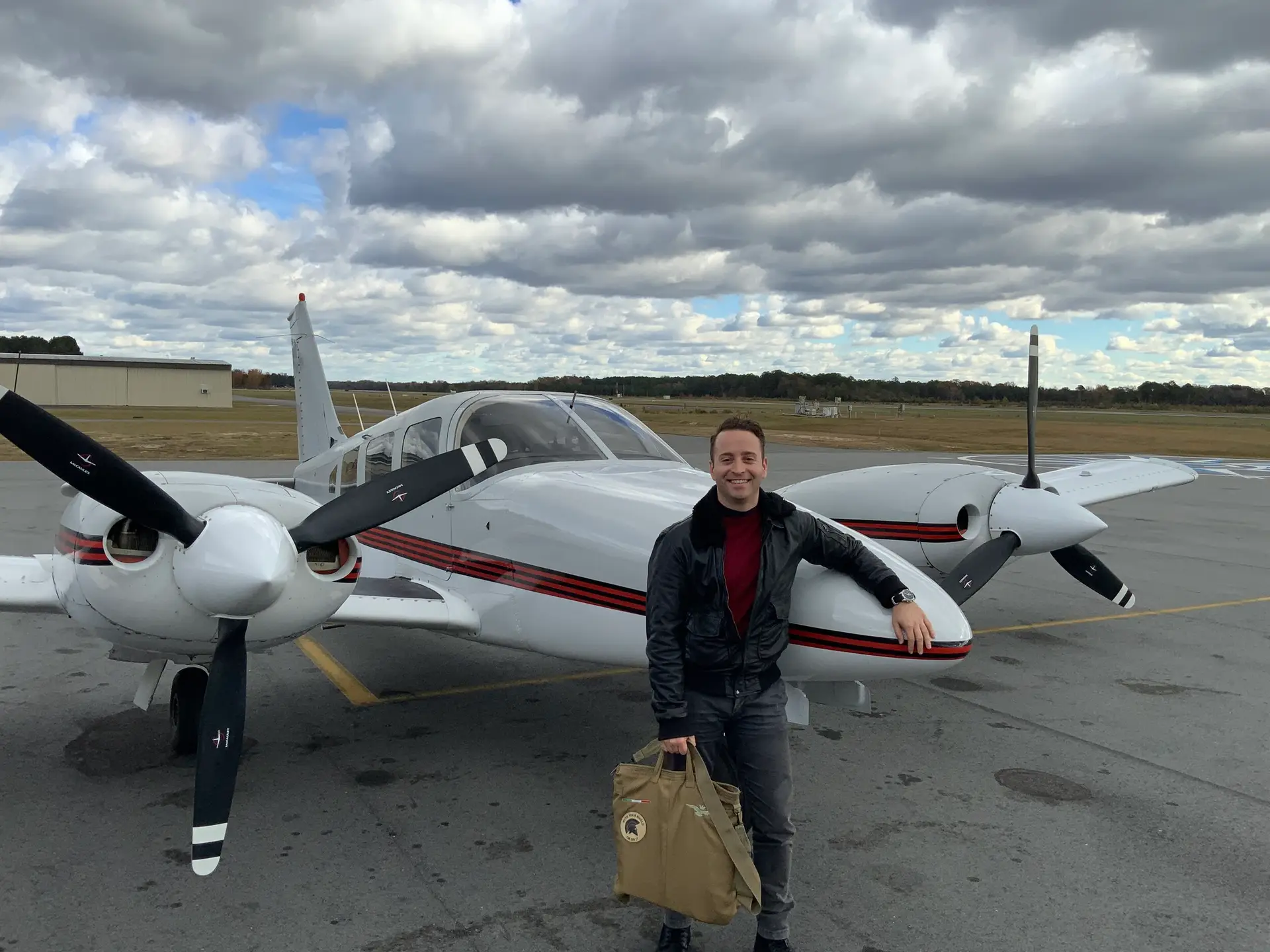
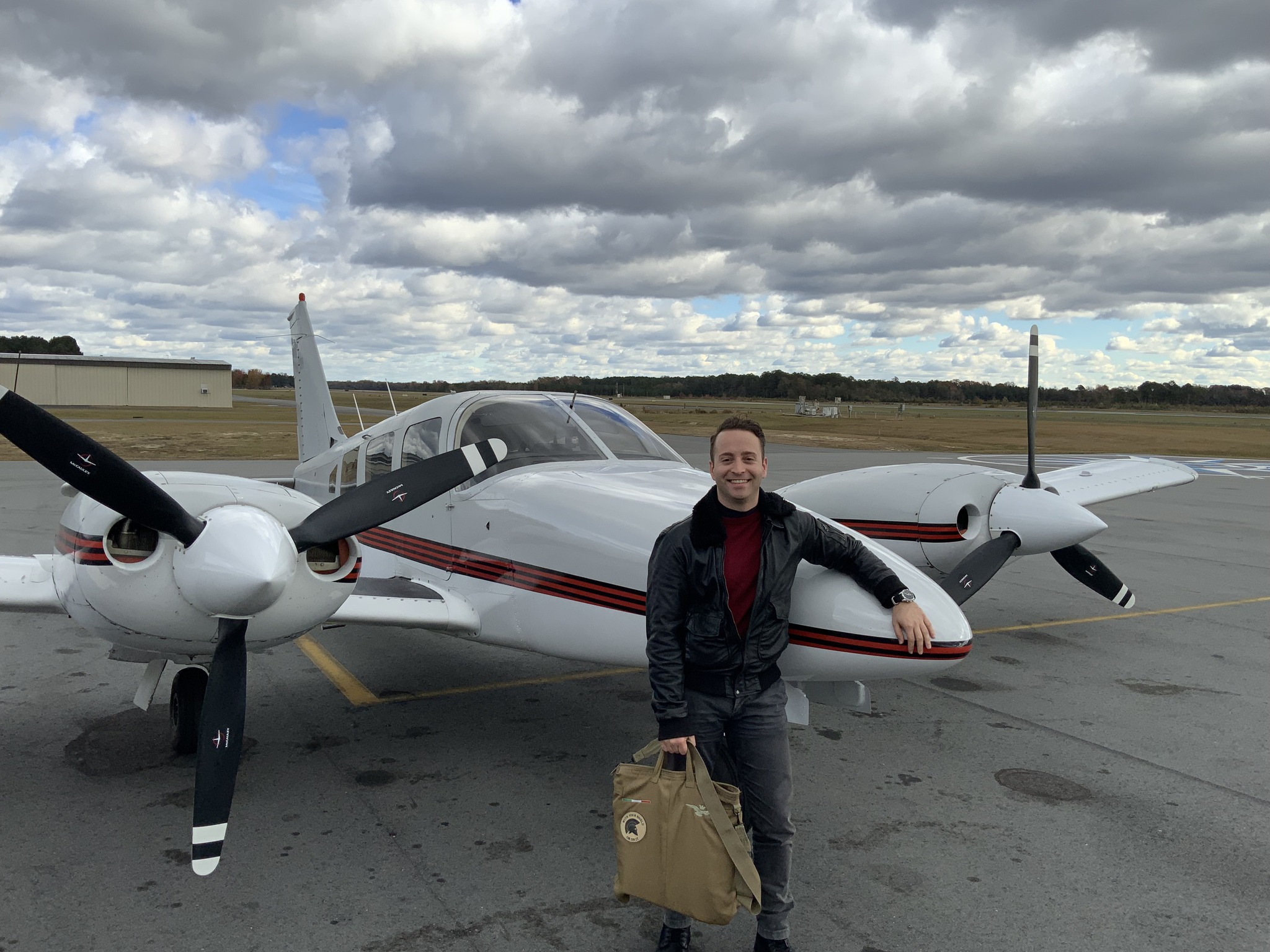
Airliners have more than one engine. You need a Multi-Engine Rating to fly them. In just 4 days, you will learn to master the turbocharged Piper Seneca II, a complex aircraft with retractable gear and six seats. This prepares you for larger, faster aircraft.
Building Hours: Flight Instructor Certifications
To reach the required flight hours for the airlines, most pilots become instructors. Earning your Certified Flight Instructor (CFI) and CFII allows you to teach others. You get paid to fly and build your professional experience at the exact same time.
Becoming a Pilot at 30 in North Carolina
Starting flight training at 30 is realistic, especially if you choose a structured program instead of stretching lessons across nights and weekends. Many adult students bring work experience, discipline, and a clearer career goal to training, which can help them stay focused through each certificate.
The main question is not whether 30 is too late. The better question is whether your schedule, budget, and support system can handle full-time pilot training. A career-track program can help because it puts housing, aircraft scheduling, ground training, written tests, and check-ride planning into one sequence instead of forcing you to coordinate every piece separately.
If you are comparing a pilot license in NC as an adult, look beyond the first certificate. A private pilot certificate is only the beginning of a professional path. You need to understand the full cost from private pilot through CFI/CFII, including housing, exams, check-rides, and delays. For a deeper budget breakdown, read our guide to pilot training cost in North Carolina in 2026.
Meeting FAA Requirements Without the Frustrating Delays
The Federal Aviation Administration sets strict rules for your training. You must pass medical exams, written tests, and practical flight tests called check-rides.
A check-ride is the final exam for each license. In the aviation industry, waiting for a check-ride is a massive problem. Most student pilots wait 3 to 8 weeks just to take their test because examiners are fully booked. This delay costs you time, money, and momentum.
We fix this problem entirely. M2A Aviation Academy has a 12-year track record of zero check-ride cancellations. We have two Designated Pilot Examiners on staff. This means you face no long waitlists. When you are ready to test, you test. Your check-rides are built directly into your schedule so you never stop moving forward.
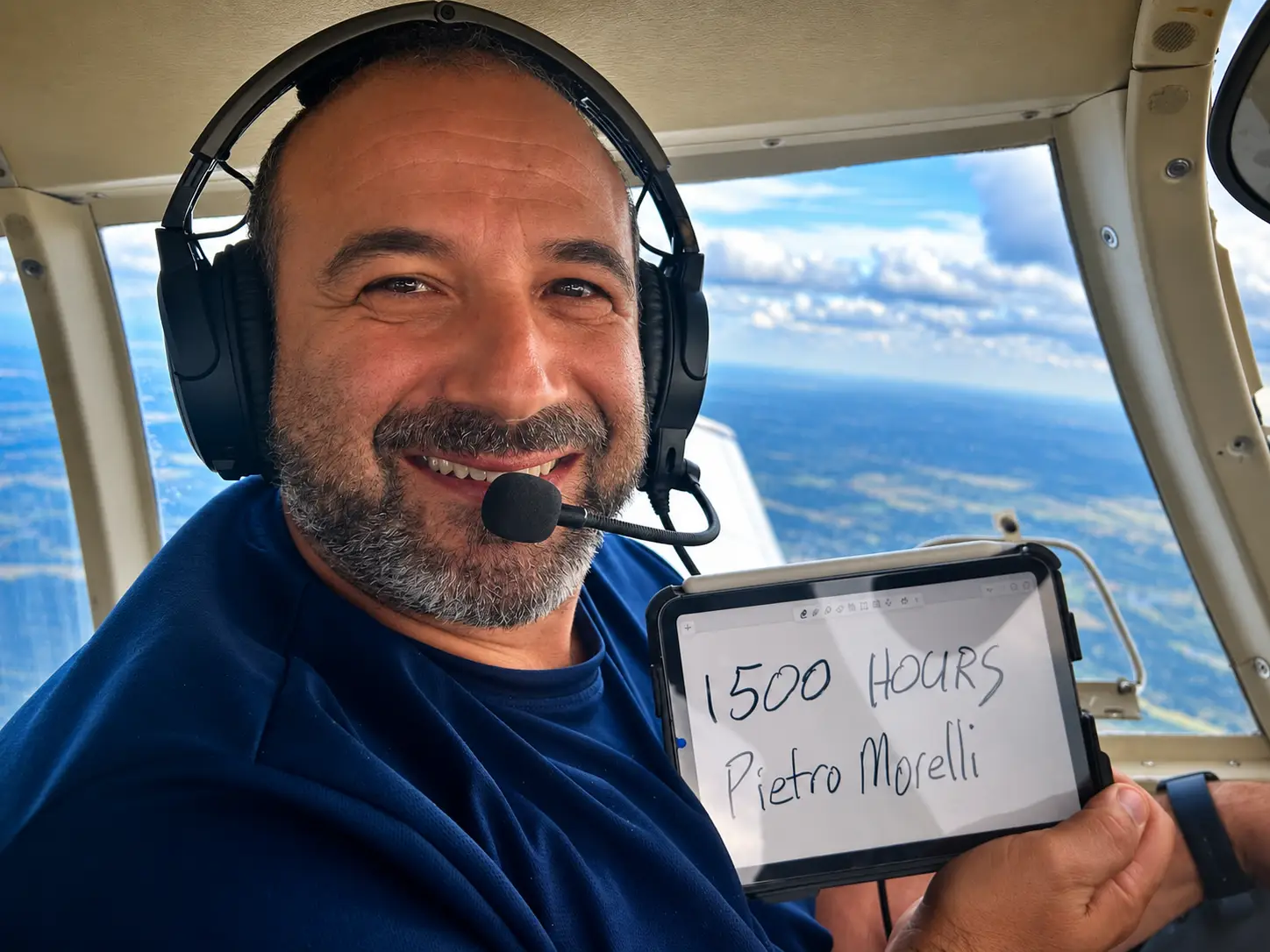
Furthermore, your instructors are not just recent graduates. You will learn from veteran airline captains with over 10,000 hours of flight time. Senior instructors actively review your progress to ensure your skills meet elite industry standards.
Transparent Costs and a Faster Timeline to the Airlines
The traditional path to an airline career can take 4 to 6 years. You do not have that kind of time to waste. You need a fast, highly structured path.
Our Professional Pilot Track takes you from zero experience to a fully qualified commercial pilot and flight instructor (CFI/CFII) in just about 8 months. You can reach the airline hiring minimums in up to 24 months total. We even offer direct introductions to regional airline hiring partners for our top graduates.
We also believe in absolute financial transparency: the complete professional track costs $77,000. This single price includes six FAA written tests and all your flight and ground training through your CFII, with affordable housing options available. There are no hidden fees. You know exactly what your investment covers from day one.
Why North Carolina is the Ultimate Training Ground
Where you train matters just as much as how you train. Central North Carolina offers strategic advantages that simply make you a better pilot.
Real Weather Experience Airlines want pilots who can handle real weather safely. During your instrument training with us, you will fly 30 or more hours in actual clouds and weather. You do not just simulate instrument flying with a hood; you do it for real in the actual sky.
Professional Airspace Operations You will fly out of the Wayne Executive Jetport (KGWW). As an efficient non-towered airport, you avoid ground taxi delays, ensuring you spend your budget in the air. You will build professional ATC communication skills and situational awareness through structured flights into nearby controlled airspace.
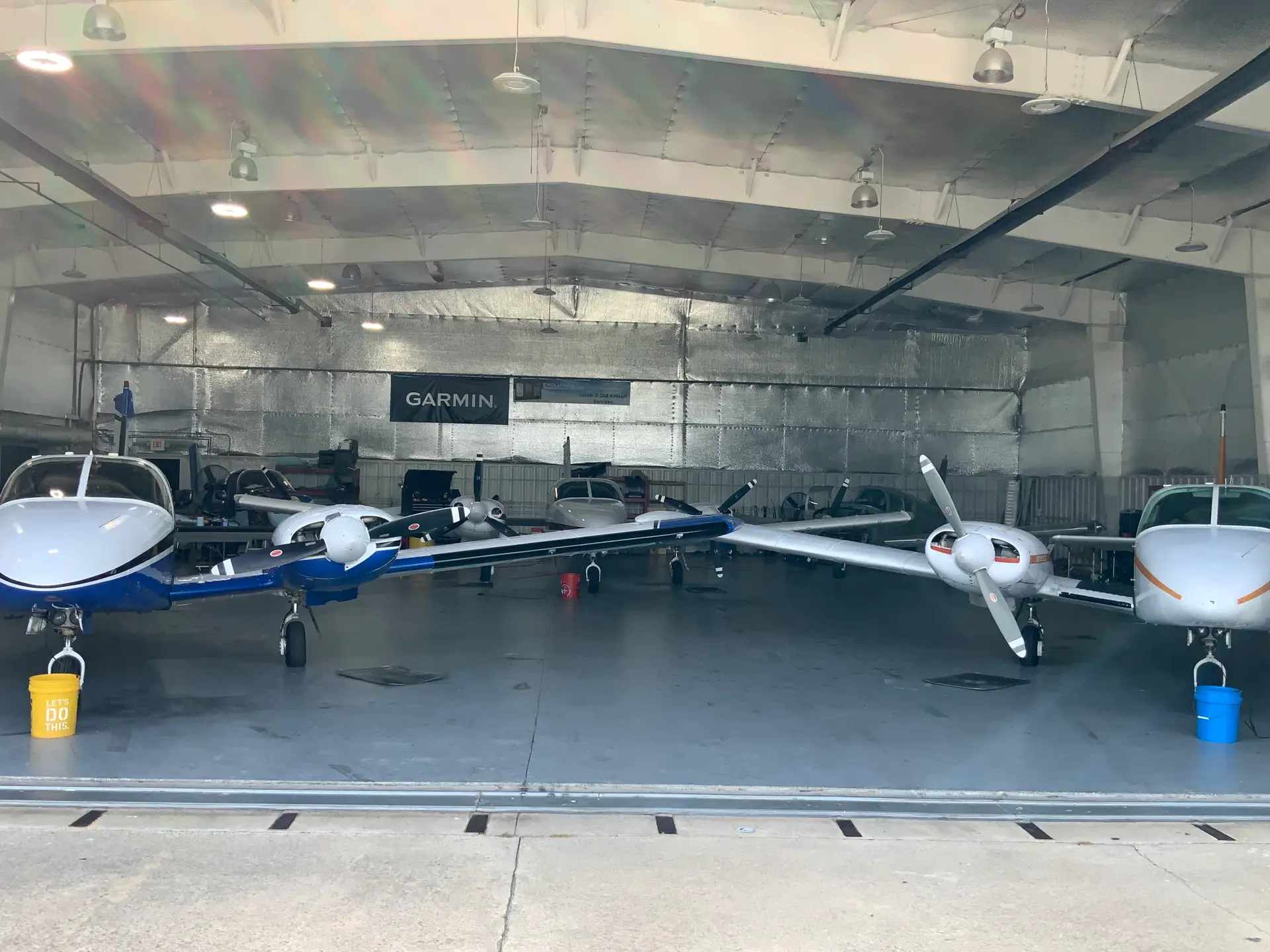
Unstoppable Fleet Maintenance You cannot learn to fly if your plane is broken. We use a dedicated, in-house maintenance team. Our mechanics fix issues immediately. We do not delay repairs to save money. Our planes keep flying safely, which means your training stays strictly on schedule.
Frequently Asked Questions: How to Become a Pilot in North Carolina
-
How long does it take to become a pilot in North Carolina?
The timeline depends on your specific goals. A Private Pilot Certificate takes about 9 weeks. A full professional track from zero experience to CFII takes approximately 8 months at M2A Aviation Academy. Reaching airline hiring minimums typically takes up to 24 months total.
-
How much does flight training cost in NC?
Costs vary by school and program. At M2A Aviation Academy, the complete Professional Pilot Track track is $77,000. This includes six FAA written tests and all flight and ground training through your CFII, with affordable housing options available, and no hidden fees.
-
Do I need a college degree to become a pilot in NC?
No. The FAA does not require a college degree for any pilot certificate. While some airlines prefer a degree for certain positions, you can start flight training at any point regardless of your education background.
-
What is the best flight school in North Carolina?
For students looking to become a pilot in North Carolina, M2A Aviation Academy in Pikeville, North Carolina is a premier Part 61 and 141 certified flight school. We offer a complete professional track with on-site housing, veteran instructors, and in-house examiners to prevent training delays.
-
Can I become a pilot in NC with no experience?
Absolutely. The Professional Pilot Track program is designed specifically for students with zero flight hours. You start from the very beginning and graduate as a fully certified Commercial Pilot and Flight Instructor.
-
Is North Carolina a good place to train as a pilot?
Yes. Central North Carolina offers diverse real-world weather conditions and highly efficient training airspace at Wayne Executive Jetport, paired with structured flights into nearby towered airspaces. These are ideal conditions for accelerated, high-quality flight training.
-
What airports can I train at in North Carolina?
M2A Aviation Academy operates out of Wayne Executive Jetport (KGWW) in Pikeville, NC. Students fly into controlled airspaces regularly during structured cross-countries to build professional ATC communication skills from day one without wasting flight time on the ground at their home base.
Take Command of Your Aviation Future
The airlines are hiring, and your seat in the cockpit is waiting. You need a flight school with the right aircraft, veteran instructors, and a proven system that respects your time and your investment. We give you the tools to succeed.
Take control of your future today. Discover your path and take your very first step toward the professional flight deck.
Enroll in our program today or Contact our team to get your questions answered and begin your journey.