Private Pilot License Cost and Requirements: 2026 Guide
Published by:
CK.
Published on:
Updated on:
Read time:
8 min read
The private pilot certificate represents aviation’s fundamental foundational milestone, marking the moment an individual earns formal federal recognition as Pilot in Command of an aircraft. For individuals examining flight school enrollment in 2026, understanding FAA training minimums and practical cost factors allows you to approach your aviation education with clarity in our 2026 guide.
Reviewing standard federal flight hours, theoretical exam expectations, and operational training efficiencies helps you plan a structured schedule. Maintaining steady lesson frequency with experienced flight mentors builds strong aeronautical confidence as you move smoothly from your orientation flight through checkride day.
What the Private Pilot Certificate Actually Authorizes
While general aviation communities frequently mention a private pilot license, the Federal Aviation Administration formally awards a Private Pilot Certificate. This foundational pilot qualification confirms your competence across flight maneuvering, emergency decision-making, and airspace navigation. Holding an active private pilot certificate with a single-engine land rating authorizes you to:
- Act as legal Pilot in Command (PIC) across authorized single-engine aircraft platforms
- Carry family members, colleagues, and recreational passengers across local and cross-country distances
- Navigate across domestic visual airspace corridors under Visual Flight Rules (VFR)
- Fly safely after dark once you complete standard nighttime instructional training endorsements
- Participate in charitable volunteer flights and equitably split direct operational fuel expenses with passengers
A private pilot certificate strictly prohibits pilots from operating aircraft for commercial compensation or hire. Entering paid flying professions requires completing advanced commercial training within our structured Professional Pilot Track or dedicated commercial coursework. For an authoritative breakdown of commercial operating boundaries, read our article covering commercial pilot certificate requirements.
FAA Aeronautical Experience Minimums in 2026
The Federal Aviation Administration establishes binding flight training minimums under 14 CFR Part 61 and through approved structured curriculum standards under 14 CFR Part 141. Both educational tracks guarantee that pilot candidates demonstrate required airmanship and safety discipline before receiving their pilot credentials.
Under standard Part 61 certification rules for a single-engine airplane rating, an applicant must accumulate a statutory minimum of 40 total flight hours. These legal hour minimums represent baseline regulatory standards, meaning real-world training completion timelines depend directly upon demonstrated proficiency and skill consistency. The required categorical training hours include:
- 20 hours of dual instructional training delivered by an authorized Certified Flight Instructor
- 10 hours of solo flight instruction time operating the single-engine aircraft independently as Pilot in Command
- 3 hours of cross-country navigational training flying toward unfamiliar airports across extended geographic routes
- 3 hours of nighttime flight instruction, incorporating an extended navigation route and ten full-stop landings in darkness
- 3 hours of simulated instrument flight practice flying strictly by visual reference to electronic cockpit indicators
- 3 hours of targeted checkride preparation conducted within the sixty days immediately preceding practical checkride evaluation
- 5 hours of independent solo cross-country flying, featuring a landmark multi-point navigation flight spanning over 150 nautical miles
For students training inside approved Part 141 flight school environments, rigorous syllabus standardization allows the legal hour minimum to adjust to 35 total flight hours. Regardless of which educational ruleset structures your course, prioritizing consistent maneuver practice over simple time accumulation generates enduring pilot competence. You can examine the operational benefits of structured learning in our comparison of Part 141 flight schools in North Carolina.
Core Operational Drivers Behind Training Value
When ambitious student pilots plan their educational budgets in 2026, analyzing how everyday operational factors shape flight school expenses provides valuable clarity. Unlike academic classroom tuitions that charge static semester fees, flight training costs correspond directly with aircraft engine running time and lesson frequency.
The foundational operational elements that influence total training investments include:
- Aircraft Platform Efficiency: Modern instructional aircraft require high-grade aviation fuel, routine mechanical maintenance inspections, and robust fleet insurance policies. Engaging a proven, reliable training airplane ensures every lesson provides rich learning momentum.
- Professional Instructor Mentorship: One-on-one airborne coaching and supportive preflight ground discussions drive your learning velocity forward. Training alongside dedicated instructors who enforce structured standard operating procedures prevents instructional drift.
- Training Materials and Cockpit Equipment: Complete digital theoretical ground schools, navigation headsets, aeronautical charts, and calculation flight bags represent essential pilot equipment tools.
- Independent Examiner Evaluation Fees: FAA Designated Pilot Examiners and authorized computerized testing centers maintain established evaluation fees for theoretical written tests and practical checkrides.
For future pilots organizing their personal training budgets, reviewing available financing options well in advance helps maintain unbroken flight continuity once operational instruction begins on the flightline.
How Lesson Consistency Keeps Budgets Efficient
The leading factor behind extended flight training timelines is simple schedule intermittency. Aviation maneuver proficiency relies heavily upon frequent practice and procedural repetition. A trainee who participates in flight instruction two or three times every week reinforces muscle memory organically, advancing smoothly from primary maneuvers into solo flight operations.
When trainees take lengthy pauses between lessons, subsequent sessions naturally require extra review time to rebuild foundational control familiarity. While review flying reinforces basic airmanship, maintaining an active weekly flight calendar represents the most effective method for controlling overall training costs. At M2A Aviation Academy, our instructional culture emphasizes structured, immersive learning. For aviators traveling to eastern North Carolina for concentrated flight preparation, our convenient on-site accommodations place you footsteps away from the operational ramp, keeping your daily learning momentum completely uninterrupted.
To explore supportive techniques for managing workload expectations during your opening lessons, study our practical handbook on what to expect in your first week of flight training.
Essential Regulatory Milestones Beyond the Cockpit
Earning your private pilot qualifications requires demonstrating mastery across theoretical aeromedical knowledge and mechanical airmanship simultaneously. Before an examiner certifies your official pilot status, you must successfully complete four primary certification evaluations:
- FAA Medical Certification: You must acquire an active FAA medical certificate (at least Third Class) issued by an authorized Aviation Medical Examiner before executing solo flight assignments. Learn how to prepare for your medical evaluation in our FAA medical certificate guide for student pilots.
- Standardized Knowledge Test: You must pass the computerized FAA Private Pilot written exam, confirming your understanding of airspace structures, weather forecasting principles, aircraft physical limitations, and navigation calculations.
- English Fluency and Statutory Age Limits: Applicants must demonstrate fluency across English reading and speaking, achieve at least 16 years of age before operating solo flights, and turn at least 17 years old by practical checkride evaluation day.
- Practical Checkride Examination: Your certification concludes with an engaging oral theoretical discussion and a practical flight test evaluated by an FAA Designated Pilot Examiner under active Airman Certification Standards.
Advancing Beyond Initial Pilot Certification
Completing your private pilot practical checkride marks an inspiring personal triumph that unlocks countless recreational flying adventures across domestic airspace. For pilots with aspirations toward commercial transportation cockpits, earning your primary certificate represents the essential launching point for your professional career.
Following initial certification, future airline aviators immediately focus upon acquiring low-visibility flight discipline and twin-engine aircraft command capabilities. Most dedicated aviation trainees enroll directly into our focused Instrument Rating curriculum to master flying safely through cloud formations, followed quickly by building high-performance command authority within our Commercial Pilot Certificate and Multi-Engine Rating courses. For an authoritative guide detailing how foundational flight lessons connect directly to airline transport employment, examine our comprehensive look at how to become a pilot in North Carolina.
Frequently Asked Questions
How long does completing private pilot training generally require in 2026? Training timelines depend significantly upon lesson scheduling frequency and local flying weather windows. Students participating inside full-time training schedules frequently achieve checkride readiness across several intense months, whereas part-time aviators training once a week naturally require additional calendar time to reach examination proficiency.
Do pilot candidates require a university college degree to earn private pilot credentials? No. The Federal Aviation Administration enforces no academic university degree requirements for pilot certification at any instructional level. Meeting established age thresholds, maintaining physical medical fitness, demonstrating English fluency, and mastering required theoretical and practical examinations serve as the exclusive regulatory criteria.
When should a prospective student arrange their FAA medical examination? While students can begin ground school discussions and dual instructor introductory lessons without medical paperwork, you must possess an active FAA medical certificate before conducting independent solo flights. We advise consulting an Aviation Medical Examiner prior to orientation to verify your medical eligibility early.
What activities take place during the official private pilot practical checkride? The checkride evaluation opens with an interactive oral discussion where an examiner evaluates your theoretical aerodynamics knowledge, flight planning calculations, aviation weather interpretation, and decision-making judgment. Once verified, you advance directly to the airplane to perform takeoff, landing, visual flight, and emergency navigation maneuvers within standardized FAA execution tolerances.
May licensed private pilots accept commercial employment or financial business compensation? No. Federal regulations restrict private pilot privileges strictly to recreational and personal aviation operations. While you may equitably split routine operational fuel costs and airport landing charges with passengers during private trips, accepting financial compensation or acting as Pilot in Command for hire is strictly prohibited.
Start Your Private Pilot Training in 2026
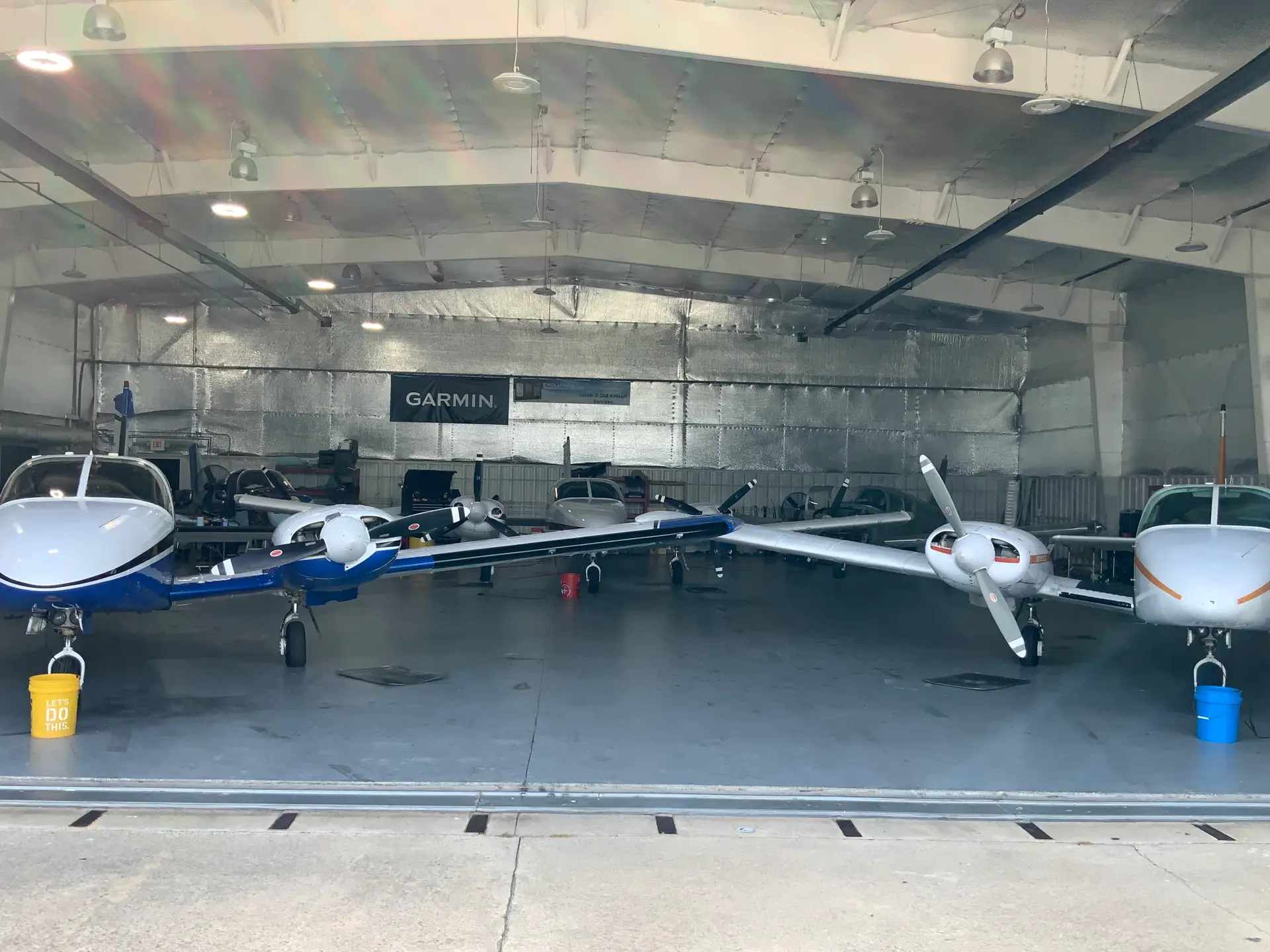
When you feel ready to elevate your personal ambitions into authentic flight command capability in 2026, learning within our structured academy culture provides the experienced guidance needed for lasting accomplishment. Contact us today to converse with our friendly academy team by calling (910) 900-8043, tour our active operational hangars at Wayne Executive Jetport, and organize your individualized flight training pathway with M2A Aviation Academy.