What to Expect in Your First Week of Flight Training: 2026 Guide

Published by:
CK.
Published on:
Updated on:
Read time:
6 min read
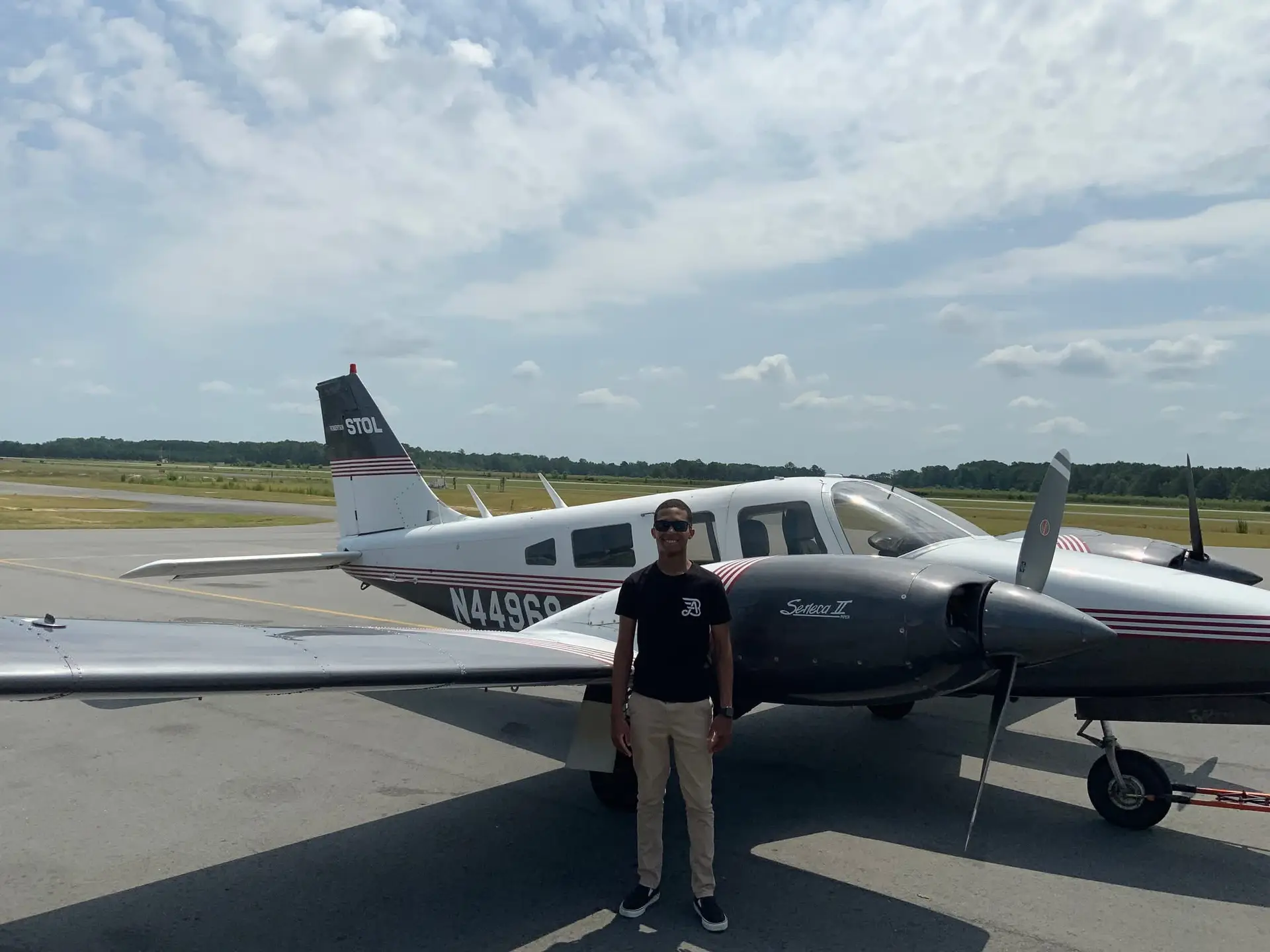
Most people picture their first week of flight training as their first flight. In reality, it’s usually a mix of paperwork, ground briefings, and preparation before you ever push the throttle forward. Knowing what that first week actually looks like helps you show up ready instead of surprised.
Here’s what a realistic first week involves, and why the structure matters more than it might seem at first.
You Don’t Need a Medical Certificate to Start
One of the most common questions before day one is whether you need anything from the FAA before you’re even allowed to fly. You don’t. The FAA does not require a medical certificate or student pilot certificate just to take introductory lessons. Those become necessary later, generally before your first solo flight, not before your first lesson.
That means your first week can focus entirely on getting oriented, not on paperwork anxiety. If you haven’t looked into your medical certificate yet, our FAA medical certificate guide is a good place to start before you enroll.
Day One Usually Starts on the Ground
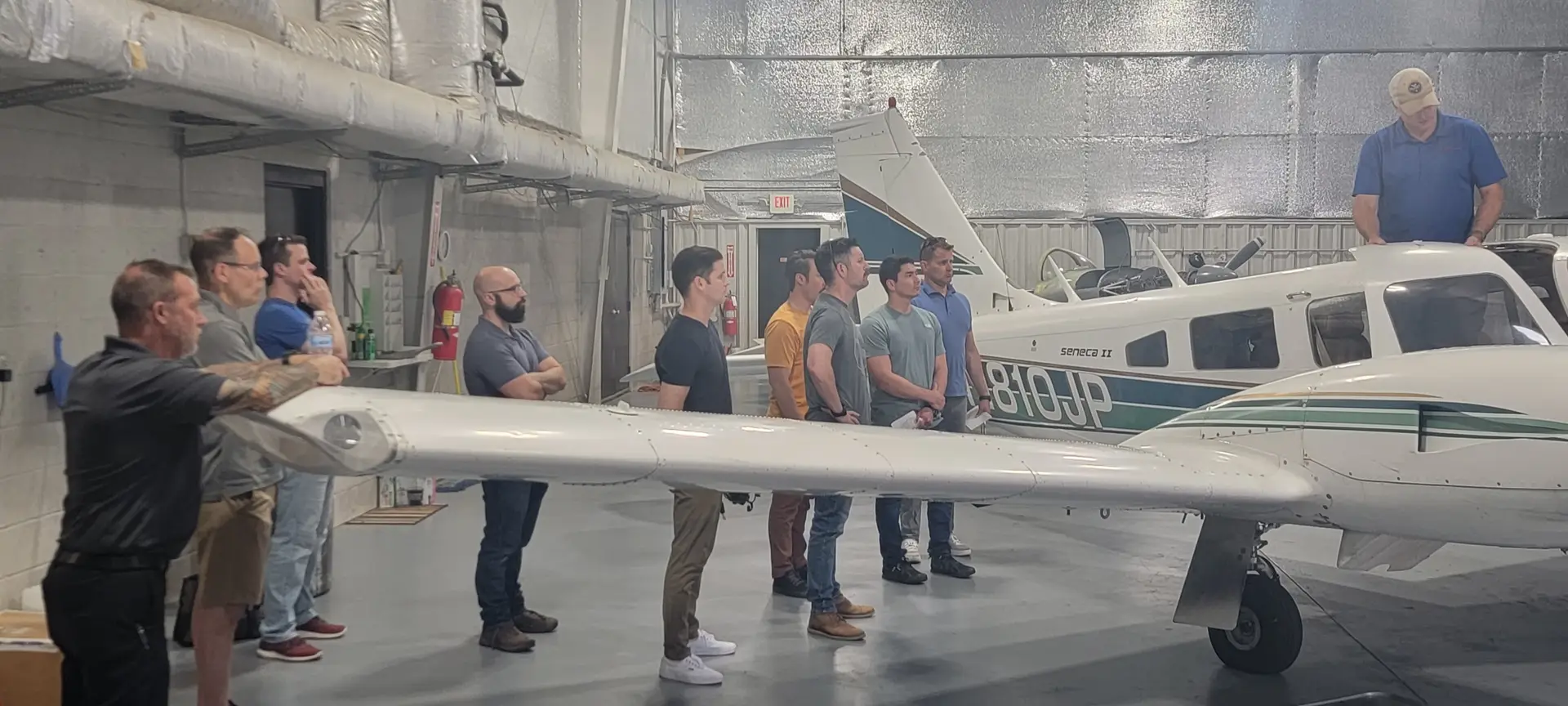
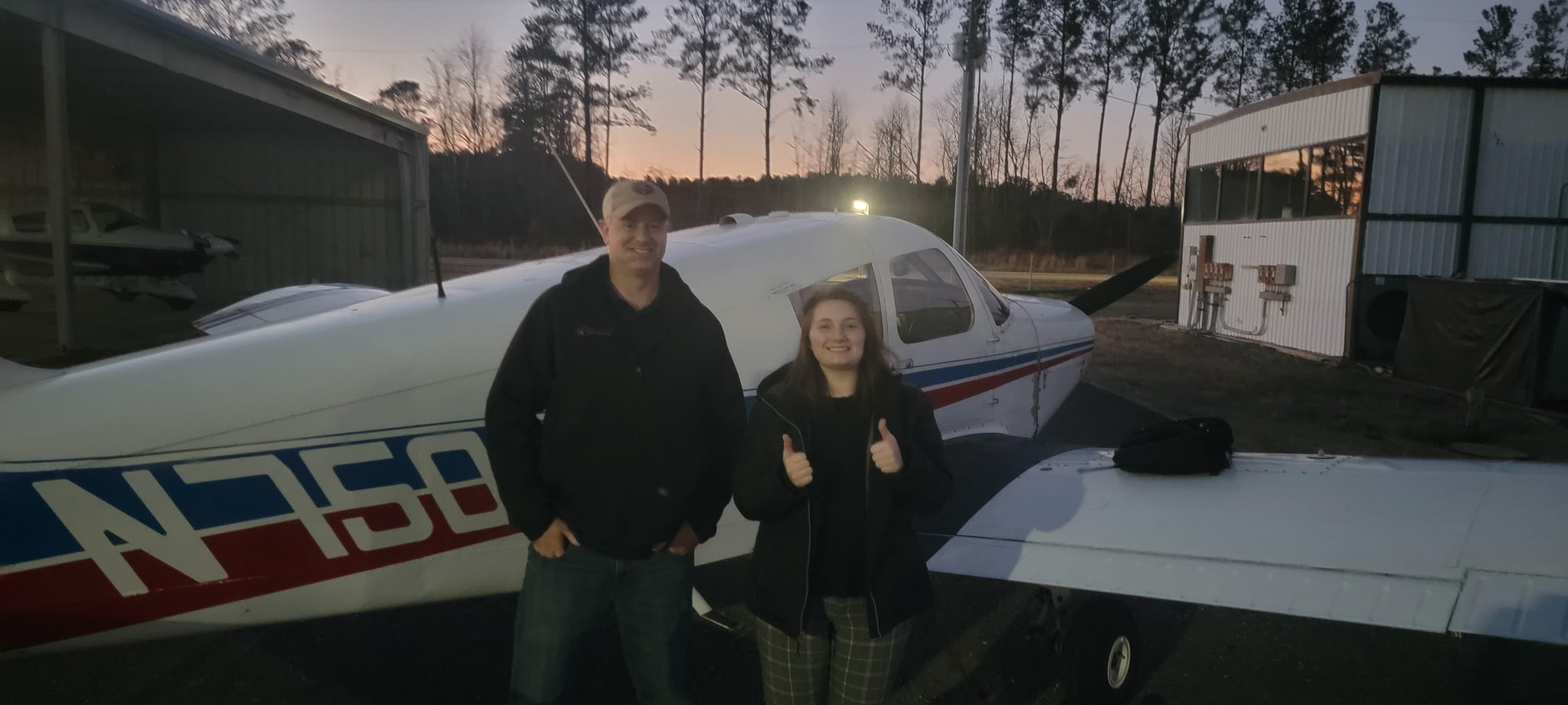
Your first day is more likely to involve a tour, an introduction to your instructor, and an overview of how the training schedule works than an actual flight. Here at M2A Aviation Academy, training days are structured full-time, Monday through Friday, so day one also sets expectations for what the weeks ahead will look like. If you’d rather see the environment before committing to a start date, a discovery flight gives you exactly that.
Expect to talk through:
- How ground academics and flight lessons connect to each other
- What a typical training day and week will look like
- What preparation is expected of you before each lesson
- How your instructor will track your progress
This orientation matters because flight training works best when you understand the system you’re stepping into, not just the mechanics of flying.
Ground School Comes Before (and Alongside) Flying
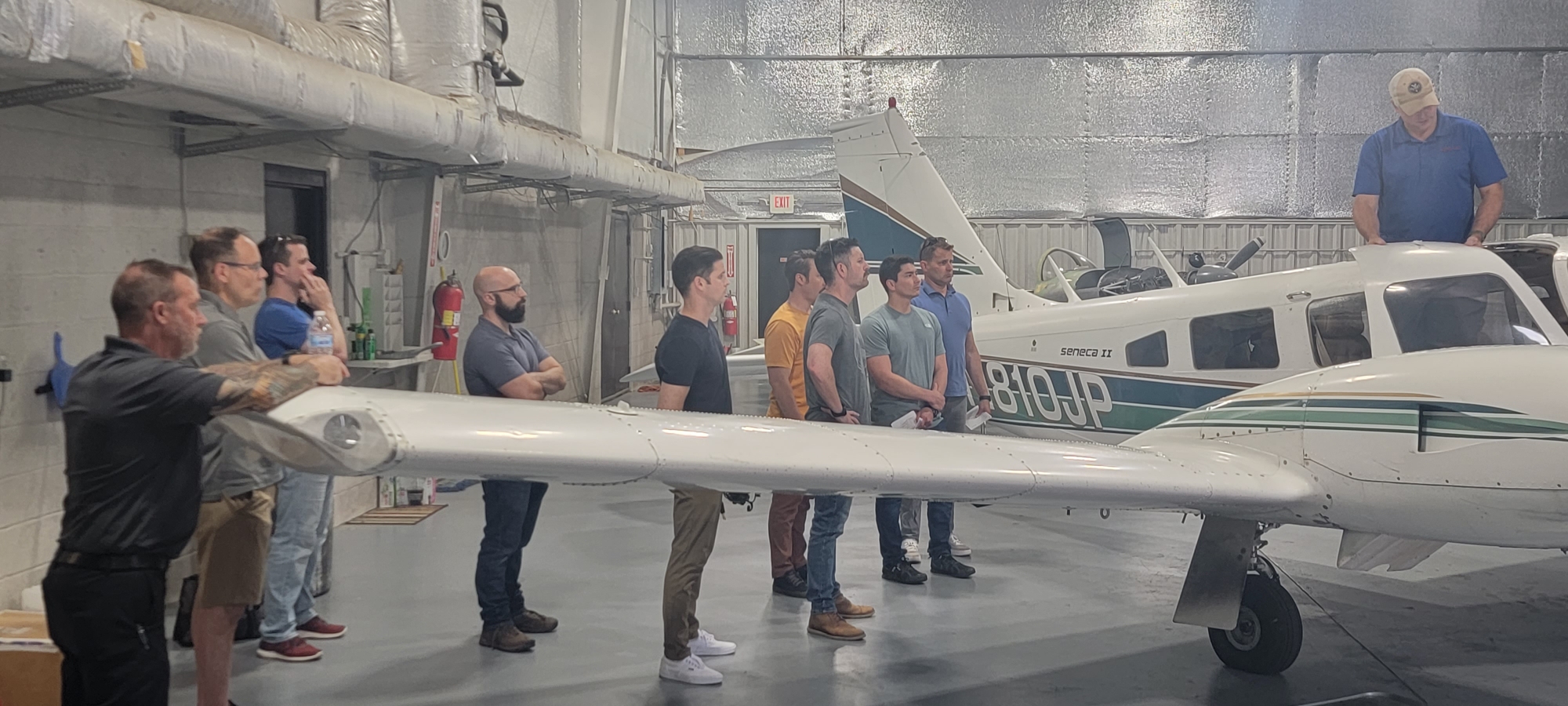
Ground instruction isn’t a separate box to check before you fly. It runs alongside your flight lessons, and early on, it usually takes up more of your first week than time in the aircraft. You’ll cover topics like basic aerodynamics, aircraft systems, and how to read the information you’ll need before every flight — the same foundation our Private Pilot Certificate course builds on from day one.
This pairing matters because flight lessons make more sense once you understand what’s happening mechanically and aerodynamically. Instructors generally expect you to prepare for each lesson in advance, not absorb everything for the first time in the cockpit.
Your First Flight Will Feel Busier Than You Expect
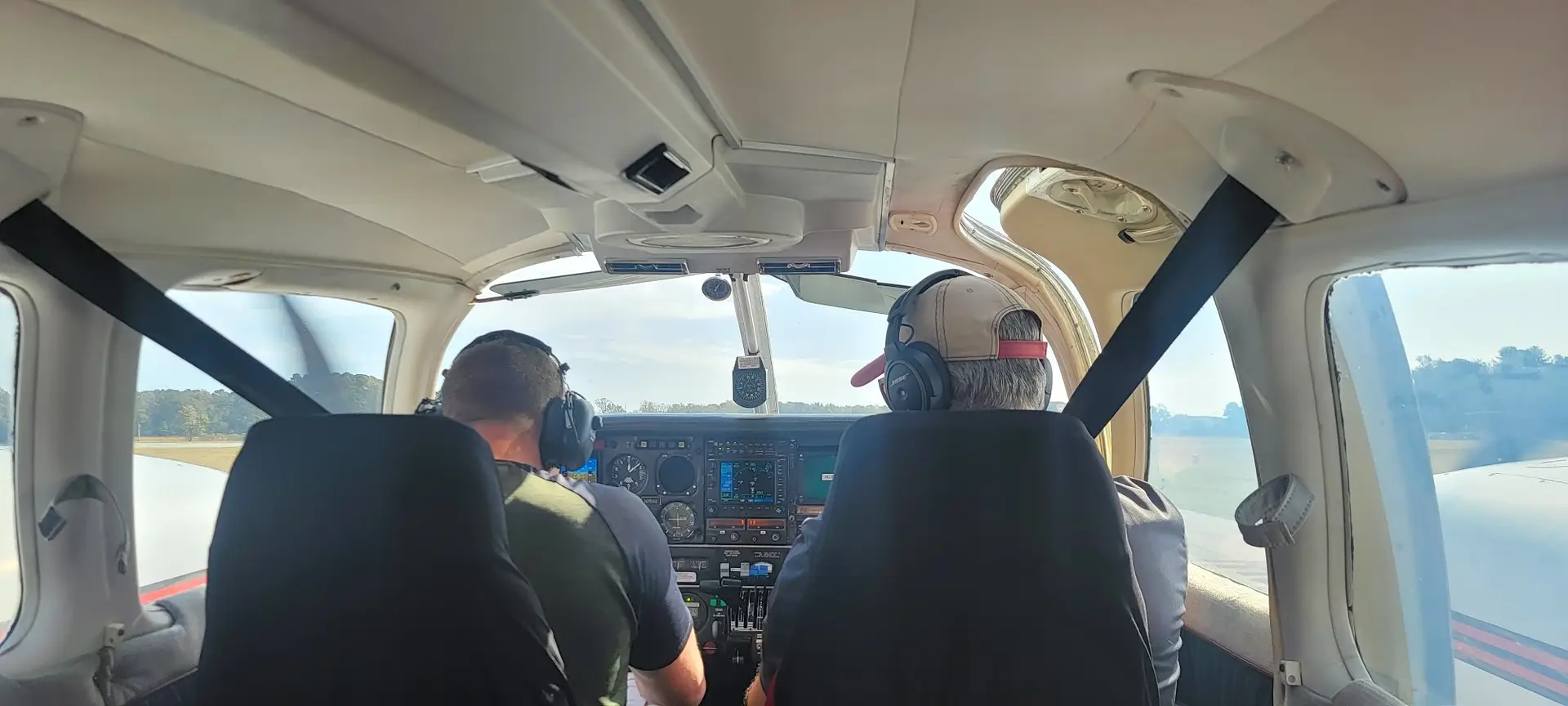
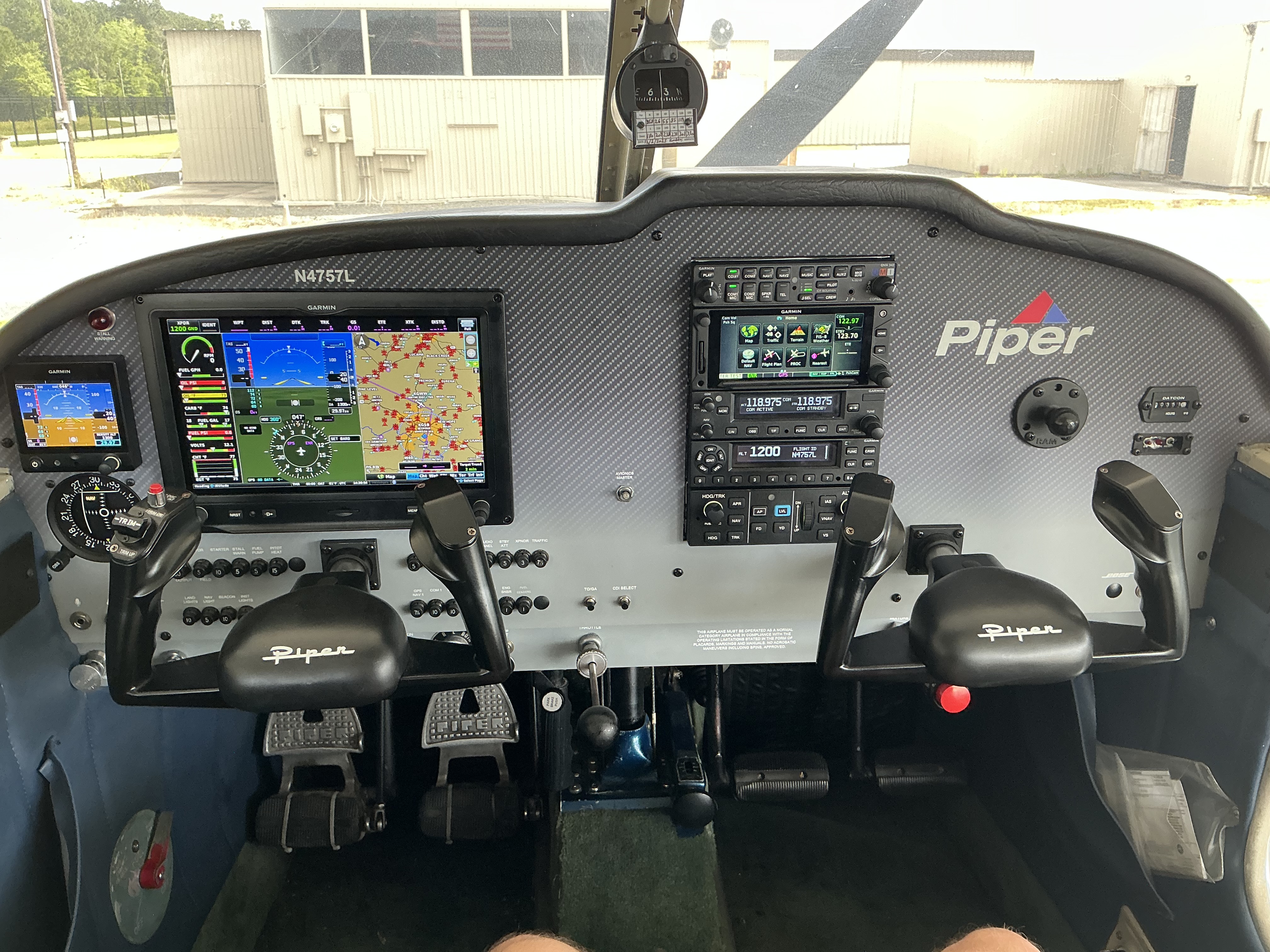
When your first flight does happen, expect a lot of information at once: checklists, radio calls, basic aircraft control, and your instructor narrating what’s happening the whole time. That’s normal. Early flights are about exposure and orientation, not performance.
A well-structured program also introduces emergency-procedure awareness early, rather than saving it for later in training. Here at M2A, emergency procedures are practiced on every syllabus flight from the start, so reacting calmly to the unexpected becomes a habit instead of an afterthought. That discipline-first mindset is something we’ve written about before in our post on why safety standards matter for your pilot career.
Your Pace Will Be Your Own
It’s tempting to compare your first week to someone else’s, especially if you’ve heard stories about a friend soloing quickly. Don’t. How fast you move through early milestones depends on your own preparation, the weather, and aircraft scheduling, not a fixed calendar. A structured, full-time program can support faster progress, but progression should be based on your demonstrated performance, not an artificial deadline.
If you’re deciding between a full-time track and a slower pace, our Professional Pilot Track and Private Pilot Certificate pages outline how each program is structured, so you can see which fits your situation.
Financing Is Worth Sorting Out Early Too
Just like your medical certificate, financing is easier to plan before your first week than to figure out mid-training. Whether you’re paying out of pocket or looking into the financing options available to our students, settling this before you start means your first week can focus on ground school and flying, not logistics.
Frequently Asked Questions
Will I fly on my first day? Not usually. Most first days focus on orientation, paperwork, and getting to know your instructor and training schedule. Your first flight typically comes shortly after.
Do I need a medical certificate before my first lesson? No. You can begin lessons without one. A medical certificate generally becomes necessary before you solo, not before you start training.
How much ground school should I expect in the first week? Ground instruction plays a significant role early on and continues alongside flight lessons throughout training, not just at the beginning.
Is a full-time schedule necessary for the first week to make sense? No, but it does change the pace. Full-time, structured programs like our Professional Pilot Track move through orientation and early lessons more quickly than part-time schedules.
What should I bring or prepare before my first week? Beyond your medical certificate planning, come ready to take notes, ask questions, and treat the first week as the foundation for habits you’ll carry through the rest of training.
Will I solo during my first week? No. Solo flight comes later and requires a student pilot certificate and instructor endorsement, along with demonstrated proficiency. The first week is about orientation and foundational skills.
Ready to Schedule Your First Week?
If you’re ready to see what a first week of training actually looks like in person, contact us or call (910) 900-8043 to schedule a tour and talk through your start date at M2A Aviation Academy.