CFI vs CFII: What's the Difference? 2026 Guide

Published by:
CK.
Published on:
Updated on:
Read time:
7 min read
Pilots researching the instructional career pathway in 2026 frequently examine both the CFI and CFII qualifications when mapping out their flight training sequence. Both authorizations play vital roles in aviation education, and understanding how each rating expands your instructional authority allows you to structure your flight training progression effectively in our 2026 guide.
Reviewing the legal operating limits, examination expectations, and teaching opportunities for each certificate provides a clear roadmap for your instructor training sequence. Building a solid foundation across visual and instrument teaching disciplines sets you up for lasting educational success on the airport flight ramp.
What a CFI Authorization Actually Covers
The acronym CFI stands for Certified Flight Instructor, which represents an aviator’s foundational teaching certificate awarded by the Federal Aviation Administration. Earning an initial single-engine airplane flight instructor certificate grants you formal legal authority to coach students across several key flight training milestones:
- Primary student pilots progressing toward their foundational Private Pilot Certificate
- Licensed aviators building high-performance skills for their Commercial Pilot Certificate
- Certificated pilots completing mandatory FAA flight reviews and basic proficiency evaluations in single-engine airplanes
In daily flight school operations, a standard single-engine CFI teaches basic aerodynamic principles and visual flying maneuvers in single-engine land aircraft. Your daily instruction centers on coaching preflight safety inspections, teaching takeoff and landing techniques, and developing sound decision-making habits under Visual Flight Rules (VFR).
Teaching operations under Instrument Flight Rules (IFR) or inside simulated instrument weather conditions requires earning an advanced instrument instruction qualification. Advancing your credentials beyond basic visual flight training represents the natural next operational step for career aviators.

How a CFII Expands Your Teaching Capabilities
The abbreviation CFII stands for Certified Flight Instructor Instrument, which functions as an advanced add-on rating attached to an active flight instructor certificate. Earning an instrument instructor authorization permits you to deliver comprehensive instrument flying tuition, including:
- Structured lesson delivery for candidates enrolled in our focused Instrument Rating curriculum
- Mandatory Instrument Proficiency Checks (IPCs) required to keep instrument-rated aviators legally current under federal regulations
- Advanced flight mentorship conducted along low-visibility airways under Instrument Flight Rules (IFR)
An instructor holding both standard single-engine teaching privileges and an instrument authorization can seamlessly guide students through both visual pattern practice and precision approach training. Holding a CFII credential without a primary airplane flight instructor rating only permits instrument instruction, meaning most career instructors earn their foundational airplane instructional certificate first before adding instrument teaching privileges. You can inspect the specific operational details of instrument instructional training in our article covering what is a CFII.
CFI vs CFII: Comparing Scope and Prerequisites
Examining both instructional authorizations side by side illuminates how each training stage contributes to your total pilot skillset. Structuring your professional training timeline around clear instructional milestones builds confidence before checkride day in 2026.
| Feature | Certified Flight Instructor (CFI) | Certified Flight Instructor Instrument (CFII) |
|---|---|---|
| Primary Scope | VFR visual flight training and aerodynamic fundamentals | IFR procedure mentorship and instrument approach proficiency |
| Prerequisites | Commercial Pilot Certificate combined with an instrument rating | Active CFI authorization or concurrent syllabus enrollment |
| Knowledge Exams | Fundamentals of Instruction (FOI) and Flight Instructor Airplane (FIA) | Flight Instructor Instrument (FII) standardized written test |
| Evaluation Standard | FAA Flight Instructor Airman Certification Standards (ACS) | FAA Flight Instructor Instrument Airman Certification Standards (ACS) |
| Career Function | Building primary flight time within our Professional Pilot Track | Developing precision procedural expertise for transport airline interviews |
Throughout 2026, designated pilot examiners conduct all instructor practical tests under the FAA Airman Certification Standards (ACS) framework. These evaluation criteria integrate theoretical aeronautical knowledge, situational risk management, and flight demonstration tolerances directly into every checkride task. For comprehensive insight into passing your advanced instructional flight evaluations, explore our detailed breakdown of CFII requirements, exam protocols, and checkride preparation.

Why Professional Aviators Complete Both Ratings
For commercial pilots preparing for scheduled airline transport careers, instructing represents the most reliable, interactive method for building flight hours toward mandatory airline experience minimums. Earning both visual and instrument instructional qualifications dramatically expands your instructional value across three core professional dimensions:
- Unbroken Student Training Mentorship: Many flight training candidates enroll with goals to progress uninterrupted from early introductory flights all the way through advanced ratings. A dual-rated teaching professional can instruct a primary student through their initial checkride and transition smoothly into coaching their instrument flying skills.
- Advanced Procedural Mastery: Teaching holding patterns, spatial orientation, and low-visibility navigation procedures daily reinforces your personal instrument flying skills. Maintaining crisp instrument scanning techniques prepares you exceptionally well for complex turbine flight simulators and commercial airline interviews.
- Optimized Flight Line Utility: Flight training academies depend heavily on versatile instructors who can lead visual maneuver flights on clear days and pivot smoothly to instrument approaches when cloud layers roll in. Holding an instrument teaching add-on ensures your calendar remains productive throughout changing seasonal weather patterns.
At M2A Aviation Academy, our structured instructor training paths transform dedicated commercial aviators into highly proficient aviation teachers. If you want to organize your educational timeline and tuition arrangements efficiently, connecting with our helpful team about tailored financing options ensures a seamless transition into dual-rated instructional flying.
Introducing MEI: The Multi-Engine Instructor Add-On
Beyond teaching visual maneuvers and instrument navigation in single-engine aircraft lies the dynamic realm of twin-engine flight instruction. To teach student pilots how to handle asymmetric thrust and multi-engine aircraft systems, a pilot must obtain a Multi-Engine Instructor (MEI) authorization.
When a commercial aviator secures their foundational single-engine instruction certificate, instrument instruction qualification, and twin-engine instructional privileges, the aviation industry informally identifies this complete capability set as holding CFI, CFII, and MEI credentials. Earning all three flight instructor qualifications allows you to teach advanced students enrolled within our high-performance Multi-Engine Instructor syllabus and multi-engine ratings. To inspect the specific operational requirements for teaching in twin-engine airplanes, review our practical guide to MEI rating requirements and checkride preparation.
Mastering the Instructor Practical Test Experience
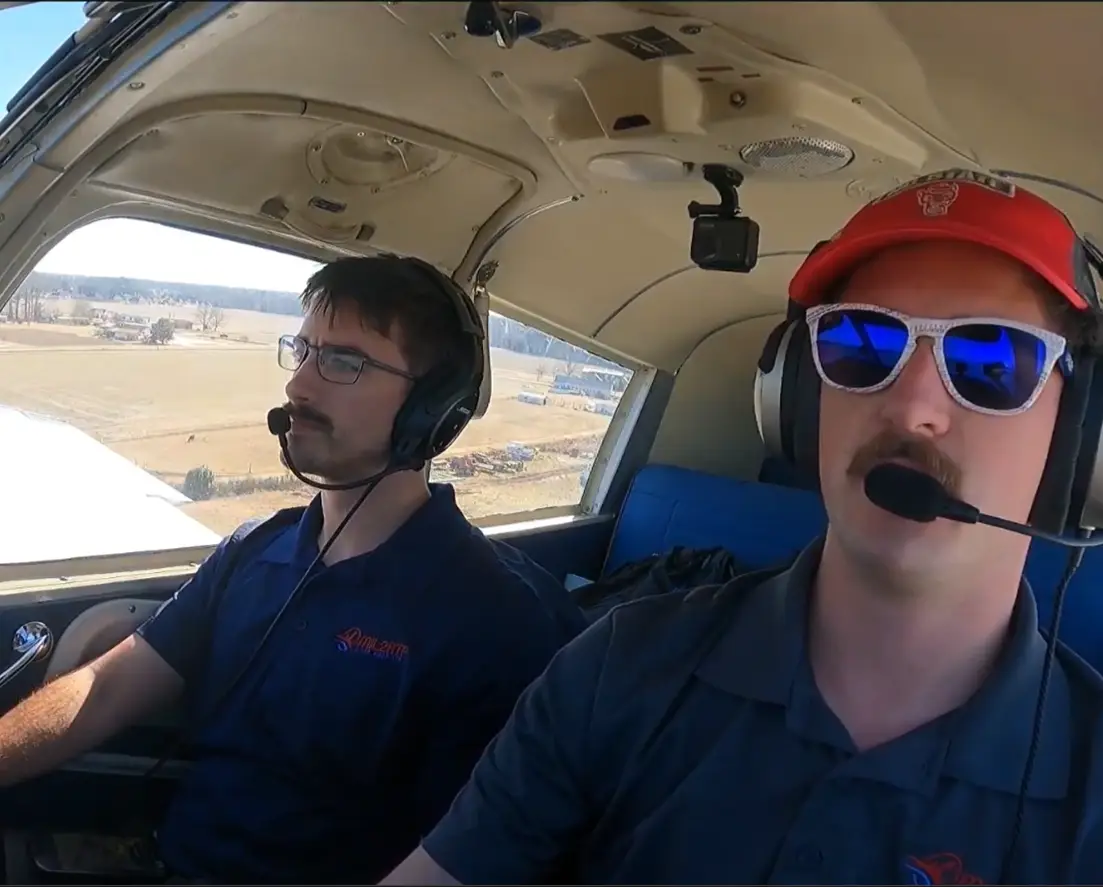
An initial flight instructor checkride focuses primarily on teaching theory, effective communication, and situational awareness from the right seat. Your evaluator observes how accurately you diagnose simulated errors while keeping the aircraft completely safe and stabilized throughout every flight maneuver.
During an initial flight instructor practical checkride, candidates explain complex aerodynamics, human factor limitations, and instructional theory across an engaging oral evaluation. When completing the subsequent instrument instructor checkride, the exam centers strictly on Low-Visibility approaches, holding patterns, structural weather analysis, and simulated avionics failures. To learn how our structured academy schedule helps you navigate checkride evaluations smoothly, explore our comprehensive look at how fast-track pilot training works in 2026.
Frequently Asked Questions
Can a CFII teach a beginner student pilot working toward a private pilot certificate? An instructor must hold a primary single-engine airplane instructor certificate (CFI) to conduct primary visual flight instruction. Holding an instrument instructor add-on (CFII) exclusively authorizes instrument teaching, meaning you must secure your foundational single-engine flight instructor credentials to teach beginner private pilot candidates.
Do both instructional qualifications require completing separate FAA written examinations? Yes. Candidates complete targeted multiple-choice knowledge tests for each instructional level. Initial instructor applicants pass the Fundamentals of Instruction and Flight Instructor Airplane exams, while instrument instructor candidates complete the Flight Instructor Instrument knowledge exam.
Does adding an instrument instruction rating require passing an additional flight checkride? Yes. Adding instrument instruction capabilities to an existing flight instructor certificate requires completing an oral evaluation and airborne checkride conducted under the FAA Flight Instructor Instrument Airman Certification Standards.
How much time is generally required to prepare for the instrument instructor add-on rating? For an experienced pilot who already possesses a commercial instrument rating and initial instructor qualifications, an instrument instructor curriculum concentrates on instructional delivery techniques. Dedicated students maintaining a consistent flying schedule typically complete their instrument instructor add-on within a concise, intensive training block.
Why do regional airlines actively recruit dual-rated flight instructors? Airline air carrier operations proceed almost exclusively under formal Instrument Flight Rules. Instructors who actively teach instrument approaches and departures develop excellent situational awareness, making them exceptional candidates for transition into modern commercial transport flight decks.
Advance Your Flight Instruction Capabilities in 2026
Whether you are completing your commercial qualifications or expanding your teaching authority with an instrument add-on in 2026, training within our supportive academy structure prepares you thoroughly for instructional command. Contact us today to connect with our admissions professionals by calling (910) 900-8043, review our available orientation schedules at Wayne Executive Jetport, and build your customized flight instruction career path with M2A Aviation Academy.