Fast Track Pilot Training: 2026 Accelerated Guide
Published by:
CK.
Published on:
Updated on:
Read time:
11 min read
You want to fly commercial jets for a living. You look at traditional flight schools and see training timelines of four to six years. That feels entirely too long. You know there must be a better way to reach the flight deck. This is exactly why fast track pilot training exists today.
If you want to reach the airlines on the fastest possible timeline, you need a structured and proven path. You cannot afford to guess what comes next in your syllabus. You need an environment built for speed, safety, and consistency.
This definitive guide explains how an accelerated flight training program works. You will learn the true timeline, the costs involved, and the hidden logistics that will either save you time or cost you thousands of dollars.
At M2A Aviation Academy, the Professional Pilot Track is built for students who want a full-time professional pilot program with a defined timeline, housing, written tests, structured flight and ground training, and check-ride planning built into the path.
The Core of an Accelerated Pilot Program
A traditional flight student might fly once or twice a week. When you fly that infrequently, you spend half of your new lesson relearning what you forgot from the last lesson. This wastes your time and your money.
An accelerated pilot program fixes this problem. You treat your flight school like a full time job. You fly multiple times a week. You attend ground school. You study every single day. Because you fly so often, you build muscle memory much faster. You retain critical knowledge. You progress through your certifications in a matter of weeks instead of years.
At M2A Aviation Academy, you train under a strict Part 61 and 141 standardization philosophy. Every single lesson has a clear objective. You always know exactly what you need to achieve before you start the engine. This discipline creates the foundation of true professional pilot training.
How to Evaluate Fast Track Pilot Training
Fast track should not mean rushed, vague, or improvised. A real accelerated pilot program compresses downtime, not standards. Before choosing a school, compare the operational details that determine whether the advertised timeline is realistic.
| What to Evaluate | Why It Matters | What to Ask |
|---|---|---|
| Training sequence | A professional pilot program should show how each certificate leads into the next | What certificates and ratings are included from first flight through instructor privileges? |
| Full-time schedule | Accelerated flight training only works when flying, ground school, study, and stage checks are coordinated | How many days per week am I expected to train, and what does a normal training day look like? |
| Aircraft availability | A fast timeline fails if the fleet cannot support daily training | How many aircraft are available for each phase, including multi-engine training? |
| Check-ride access | Waiting weeks for a practical test can erase the value of an accelerated program | Are Designated Pilot Examiners available in-house or scheduled into the training plan? |
| Housing and relocation | Full-time training is harder when students are managing leases, commutes, and short-term living costs | Is flight school housing available or coordinated for career-track students? |
| Total cost | Low hourly rates can hide written tests, check-rides, pilot supplies, housing, and delay costs | What is included in the published program cost, and what is billed separately? |
| Instructor standards | Accelerated training needs consistent standards, not just more flights on the calendar | Who supervises training quality, and how are students evaluated before each check-ride? |
M2A’s full-time track is designed around these evaluation points: full-time structure, affordable housing options, a published $77,000 program cost, a defined training sequence through CFI/CFII, and in-house DPE access to reduce check-ride delays.
Building the Foundation: Accelerated Private Pilot Training
Your journey begins with accelerated private pilot training. This is where you learn the absolute fundamentals of aviation. You learn how to control the airplane, how to navigate the sky, and how to speak clearly on the radio.
In a highly structured environment, you can earn your Private Pilot Certificate in just nine weeks.
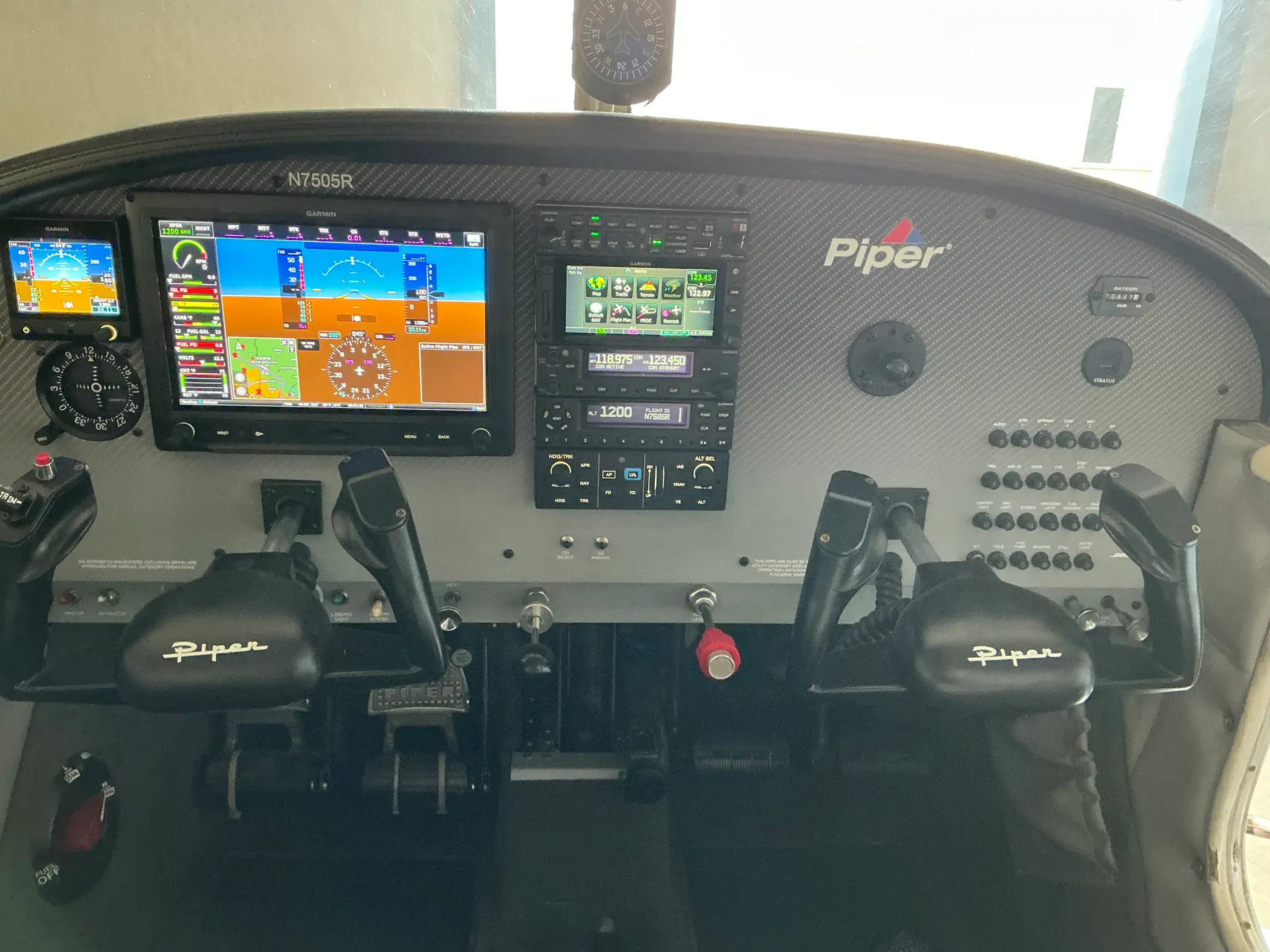
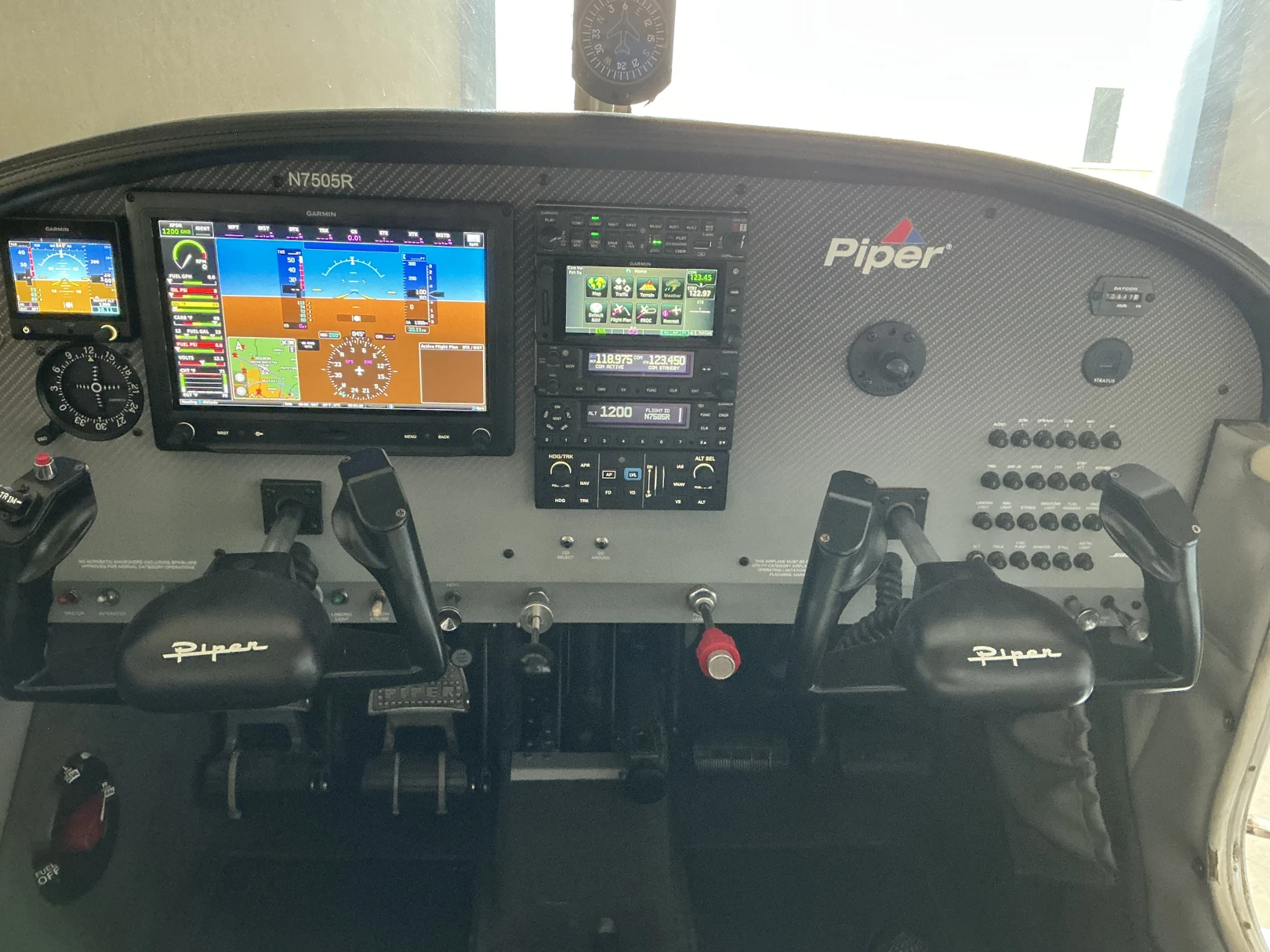
The airplanes you learn to fly matter immensely. Your training deserves the best environment possible. You will fly modern Piper Cherokee single engine aircraft. These airplanes feature advanced avionics, including Garmin G3X glass cockpits. The commercial airlines use digital glass displays. By learning on modern digital screens from day one, you prepare yourself for the modern airline flight deck immediately.
Gaining Real Experience with Accelerated IFR Training in North Carolina
After earning your private certificate, you move on to your instrument rating. This rating teaches you how to fly using only your dashboard instruments when you cannot see outside.
Choosing accelerated IFR training North Carolina gives you a massive strategic advantage over other locations. Coastal areas often deal with sudden, unpredictable sea breeze fronts and heavy fog events that ground airplanes for days. Alternatively, central North Carolina provides four distinct, stable seasons.
Because of this unique climate, you do not spend all your time pretending to fly in the clouds wearing a plastic vision-restricting hood. You get to fly in actual Instrument Meteorological Conditions. Our instrument students frequently log over 30 hours of flight time in real clouds. This makes you a deeply confident, safe, and capable pilot when you face bad weather in your future career.
You can complete your Instrument Rating efficiently in about eight weeks.
Advancing to Accelerated Commercial Pilot Training
Once you know how to fly in the clouds, you must learn how to fly to professional standards. Accelerated commercial pilot training refines your skills. You learn complex maneuvers. You learn to handle the aircraft with total precision and smoothness.
You complete your Commercial Pilot Certificate in approximately ten weeks.
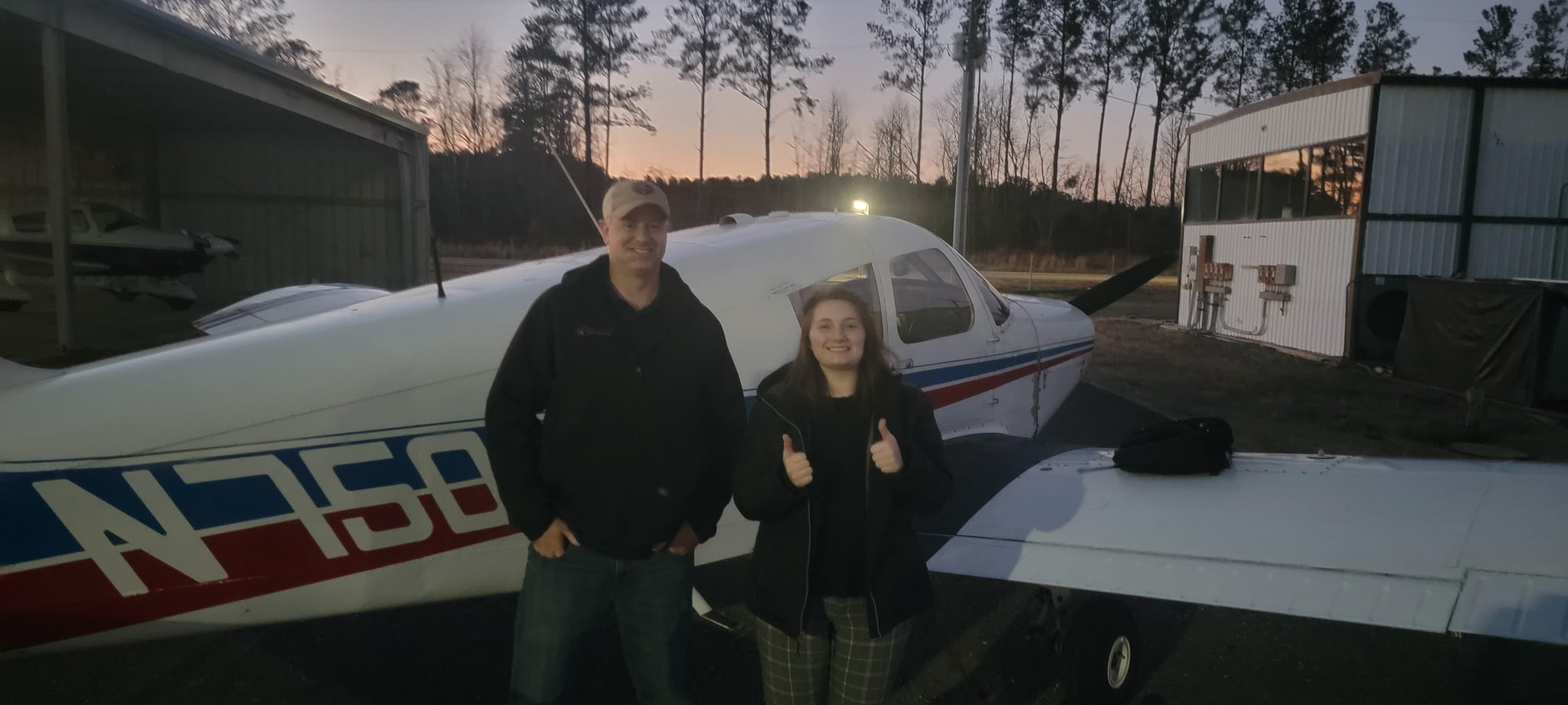
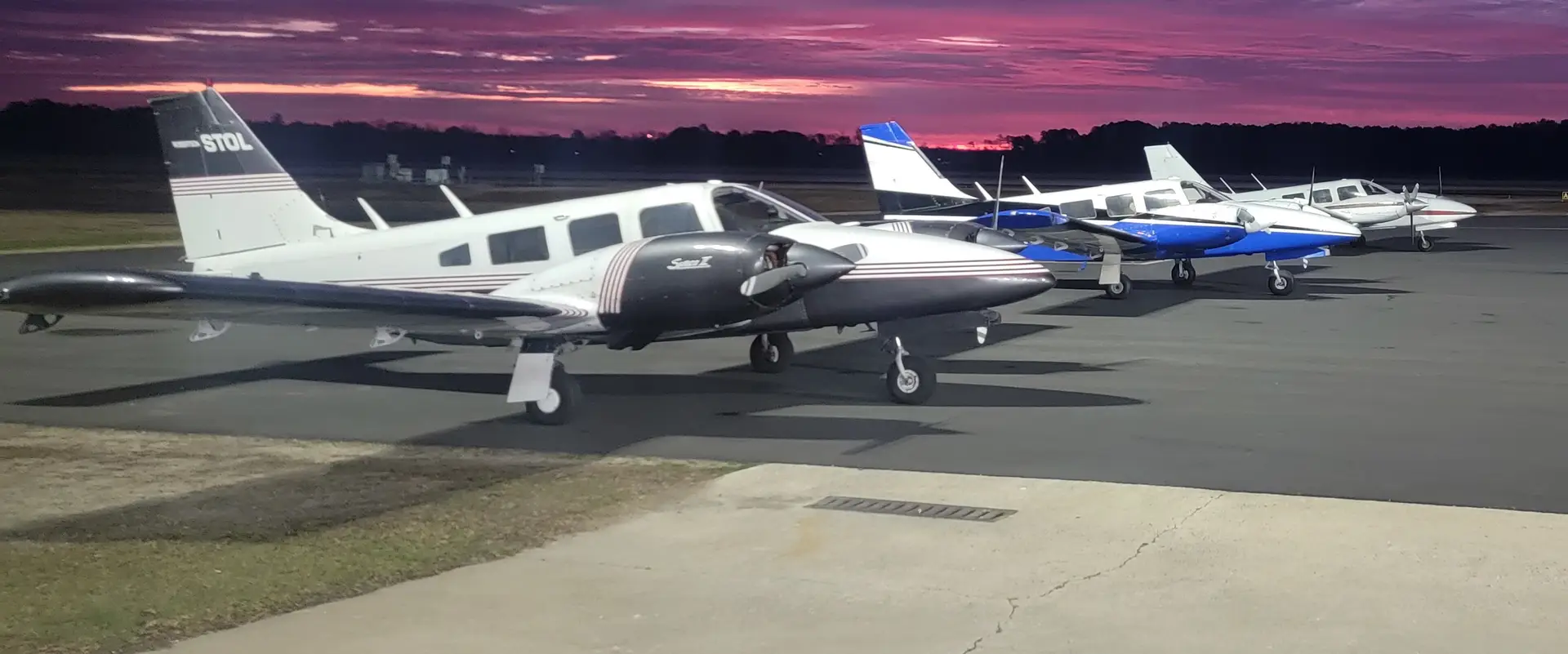
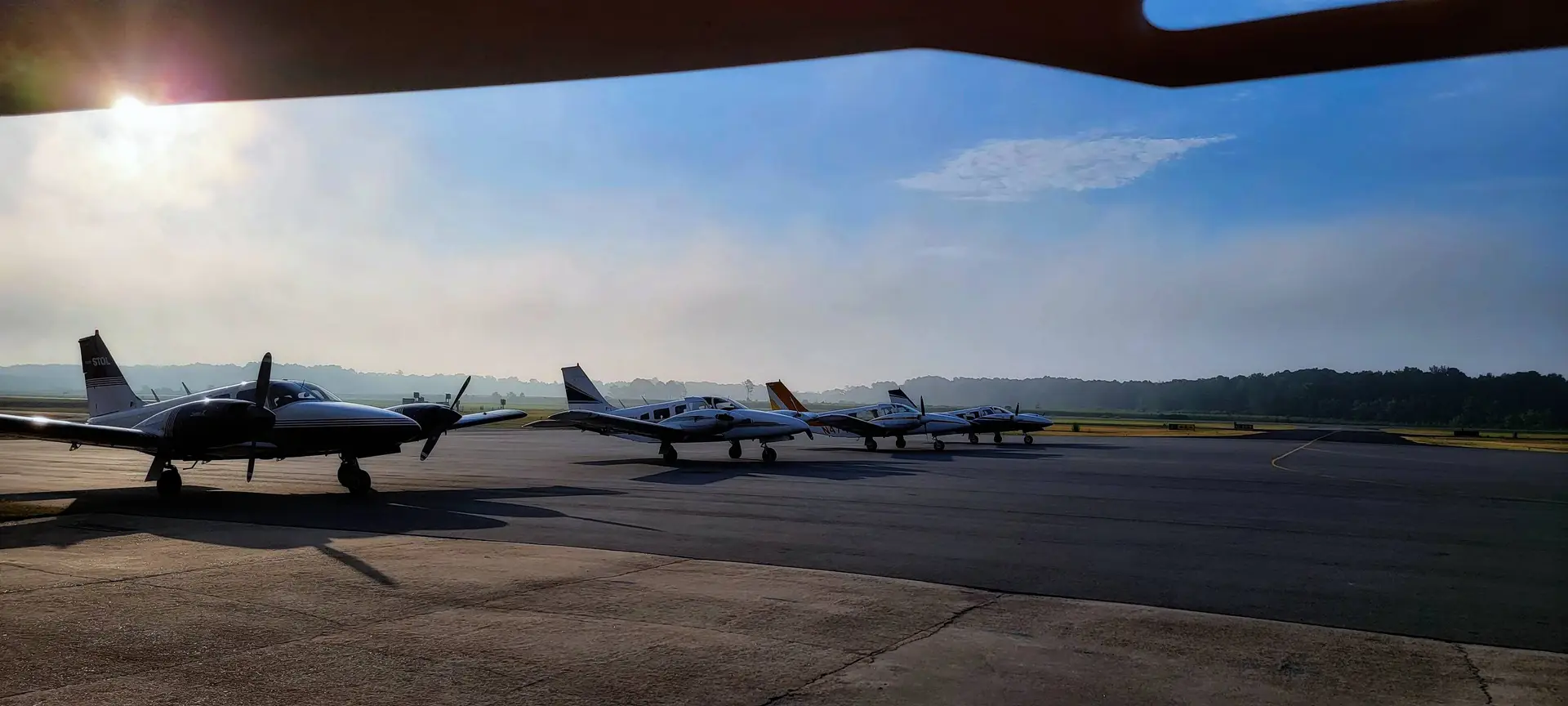
To be an airline pilot, you also need to know how to manage an aircraft with more than one engine. You will earn your Multi-Engine Rating in just 4 days. You train in a Piper Seneca II. Because the academy operates a fleet of six Piper Seneca twins, you never have to wait around for a multi engine airplane to become available. You stay on schedule.
The Complete Professional Timeline
To help you understand the full path, here is a breakdown of the specific timelines and costs for each phase of your professional training.
| Certification Phase | Expected Timeline | Investment |
|---|---|---|
| Private Pilot Certificate | 9 weeks | $14,000 |
| Instrument Rating | 8 weeks | $14,000 |
| Commercial Pilot Certificate | 10 weeks | $36,000 |
| Certified Flight Instructor | 2 weeks | $7,000 |
| CFII | 2 weeks | $6,000 |
| Total | 8 months | $77,000 |
If you want the most seamless experience, the full career-track program combines the career-track steps into one accelerated pilot program. This complete package is structured for completion in about eight months and costs $77,000. It includes six FAA written tests and structured flight and ground training through CFI/CFII, with affordable housing options available.
Why Flight School Logistics Make or Break Your Timeline
You can have the best instructors in the world, but if the flight school logistics are broken, your training will stall. When researching schools, you must look closely at their operational setup.
The most common delay in flight training is the check-ride waitlist. A check-ride is your final practical test. Across the aviation industry, students typically wait three to eight weeks for a testing examiner to become available. During that long wait, you have to keep paying for practice flights so your skills do not get rusty.
There are no waitlists here, so you can fly consistently and finish your certification faster. We employ two Designated Pilot Examiners on staff. As soon as you reach proficiency, you test immediately. The academy holds a proven 12 year track record of zero check-ride cancellations due to examiner unavailability.
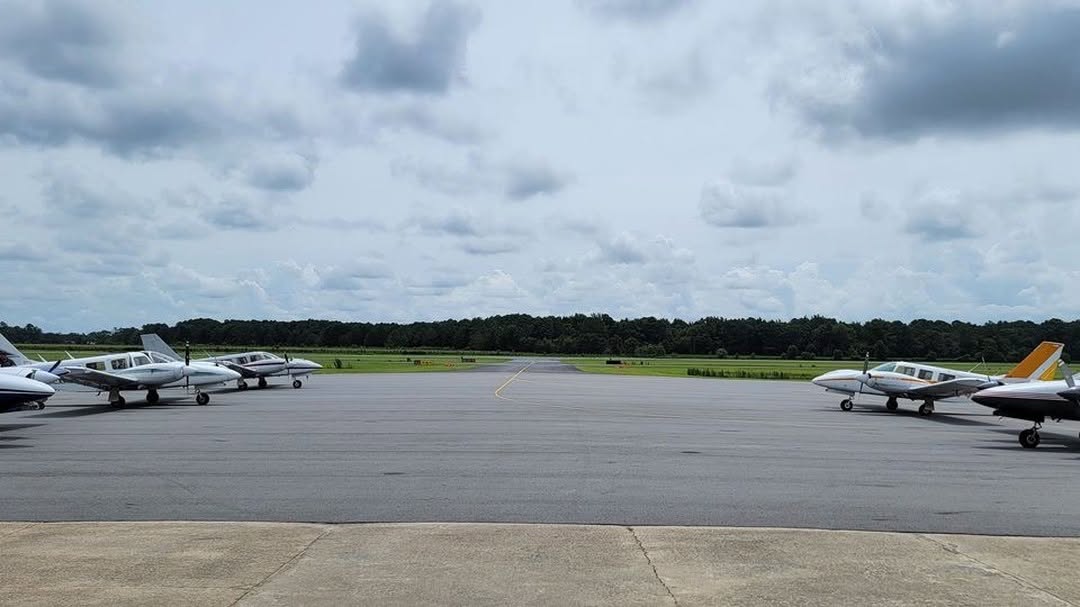
Your daily airport environment also impacts your budget. When you train at major airline hubs, you often sit on the taxiway for 20 to 30 minutes waiting for big jets to take off. You pay an hourly rate for that waiting time.
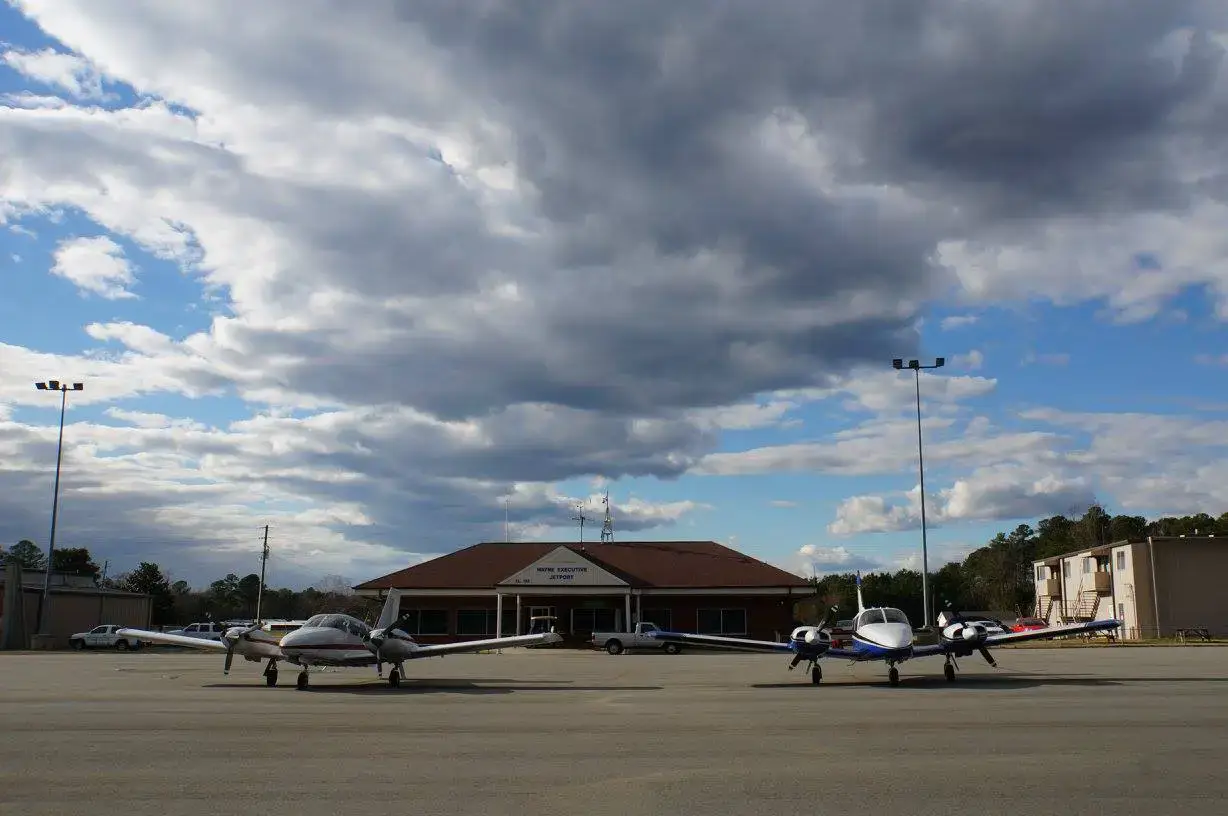
By training at Wayne Executive Jetport in Pikeville, NC, you avoid that completely. This airport serves the Goldsboro area and provides an uncongested space to learn. Your average taxi time is under five minutes. As a highly efficient non-towered airport, you avoid ATC taxi delays while mastering professional radio communication in nearby controlled airspace during structured cross-countries.
Finally, aircraft maintenance dictates your schedule. When an airplane breaks at a normal school, it might sit for days waiting for an outsourced mechanic. We operate a dedicated, in house maintenance team. Airplanes are repaired immediately on site. This guarantees unmatched fleet reliability so you never miss a training day.
Learning from the Best in the Industry
Your instructors shape the pilot you will become. You do not want to learn from low time pilots who are just trying to build hours so they can leave for the airlines.
You receive mentorship from veteran airline captains and former military pilots. These career professionals have over 10,000 hours of flight time. They operate on a “pay it forward” philosophy. You are brought into a strict, disciplined “wingman” culture. Over 34,000 pilots have successfully trained since this family run institution was founded. You are learning from absolute experts who are deeply invested in your specific aviation goals.
Removing the Stress of Relocation
Moving to a new city for flight school is stressful. Finding a short term apartment lease is expensive and difficult.
Your training deserves your full attention. The $77,000 complete career track has affordable, fully furnished on-site apartments available for a small additional fee. You eliminate the need to secure local leases. You live right where you train. You wake up, walk to the hangar, and focus entirely on becoming a professional pilot.
To help you manage the financial investment of your education, we provide clear guidance on funding. You can review all your options on our financing page to ensure you have a solid plan before you begin. For official guidance on pilot certification standards, you can always reference the Federal Aviation Administration (FAA) guidelines.
Frequently Asked Questions
-
How long does an accelerated pilot program take?
If you enroll in a full time, structured program, you can go from zero experience to a commercial pilot with instructor ratings in about eight to ten months.
-
Are fast track programs safe?
Yes. Fast track programs operate under incredibly strict standardization and oversight. The daily repetition actually builds stronger, safer habits than flying infrequently.
-
Do I need to live on campus for an accelerated program?
You are not required to live on campus, but it is highly recommended. Living on site removes the stress of commuting and allows you to immerse yourself completely in your studies.
-
What is the biggest delay in flight training?
Waiting for a final check-ride test is the biggest delay nationwide. Choosing a school with in house examiners eliminates this problem entirely.
-
What kind of airplanes will I fly?
You will train in reliable Piper Cherokee single engine aircraft equipped with modern glass cockpit technology.
-
Where is M2A Aviation Academy located?
The training facility is located at Wayne Executive Jetport. The physical address is 278 Aviation Rd., Pikeville, NC 27863.
-
How much does the complete track cost?
The full professional track costs $77,000, which includes your flight training and FAA written tests, with affordable housing options available.
Start Your Aviation Career Today
Your goal of flying for the airlines is entirely possible, and you do not need to spend four years waiting to get there. You simply need the right structured environment, modern reliable aircraft, and expert veteran mentors.
Stop wasting money on runway delays and stop waiting on endless check-ride lists. Choose a professional facility built to help you succeed quickly and safely.
Are you ready to take the next step toward the flight deck? Review the full program details or start the enrollment page to secure your place on our flight line today.