What Is a Discovery Flight? 2026 Guide for First-Time Flyers

Published by:
CK.
Published on:
Updated on:
Read time:
6 min read
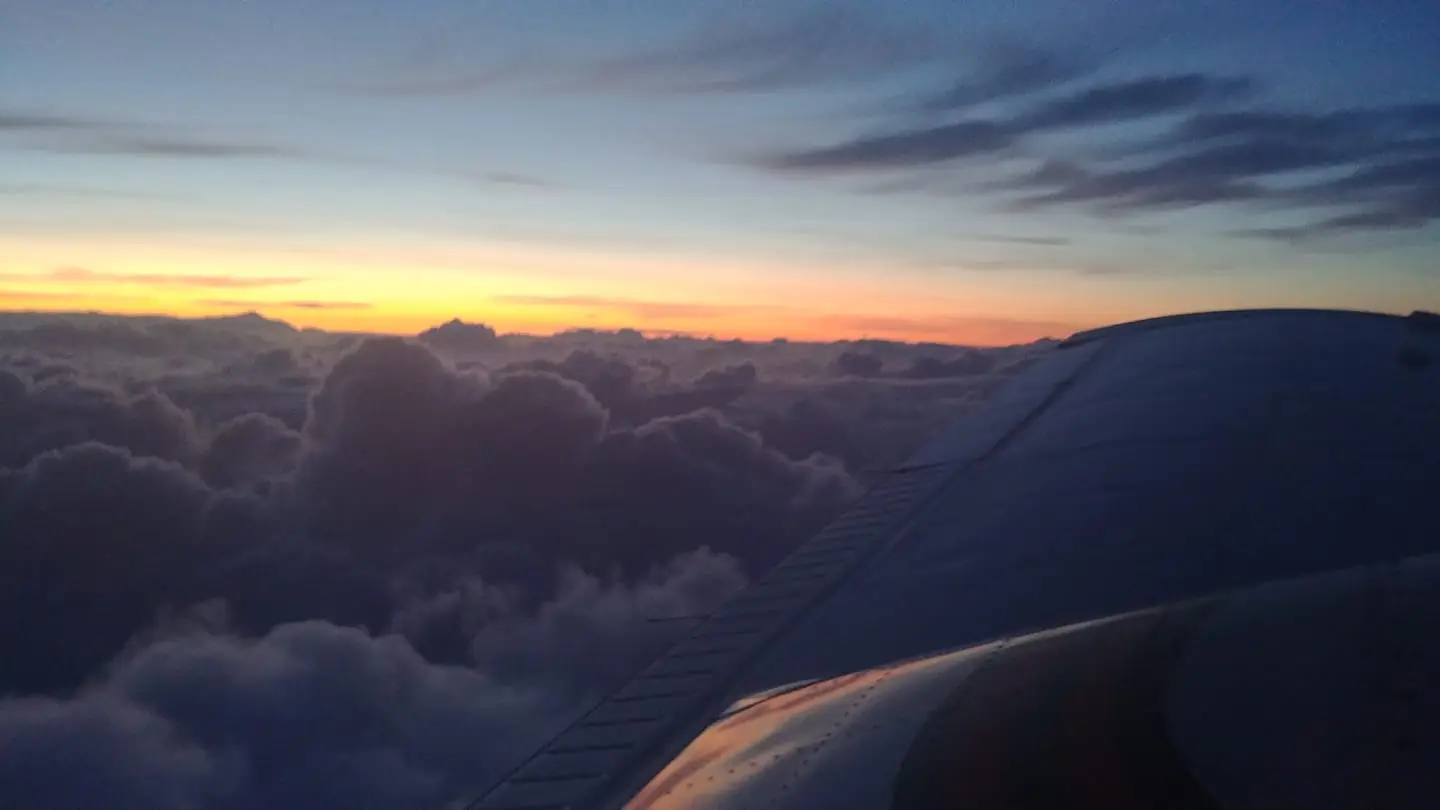
A discovery flight represents one of aviation’s most exciting milestones, providing an interactive first flight inside an instruction airplane alongside a certified instructor. Taking an introductory lesson allows you to experience how responsive and rewarding guiding an aircraft through the sky feels before commencing formal flight certifications in our 2026 guide.
Reviewing what occurs during your preflight orientation, understanding your in-air flight control opportunities, and discovering how your flight instruction counts toward your pilot logbook prepares you thoroughly for airport arrival. Stepping inside a real cockpit alongside a skilled aviation mentor builds instant confidence and provides practical clarity on your flying aspirations in 2026.
What Actually Happens During a Discovery Flight
A structured discovery flight introduces you to cockpit operating fundamentals through an enjoyable, highly interactive lesson plan. While exact altitude routings adjust to daily atmospheric weather windows across eastern North Carolina, your complete introductory learning experience proceeds through three clear operational stages:
Pre-Flight Orientation on the Tarmac
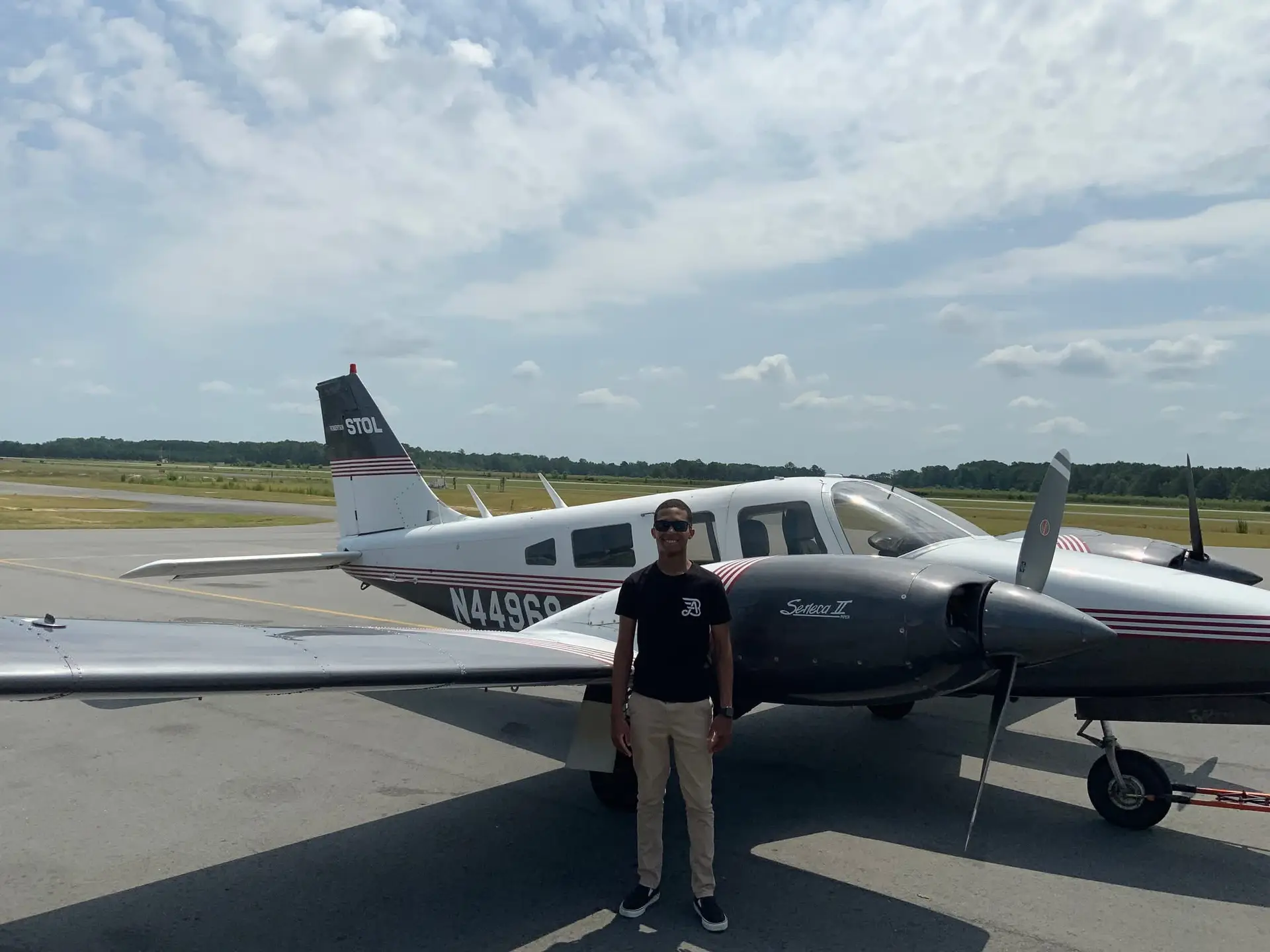
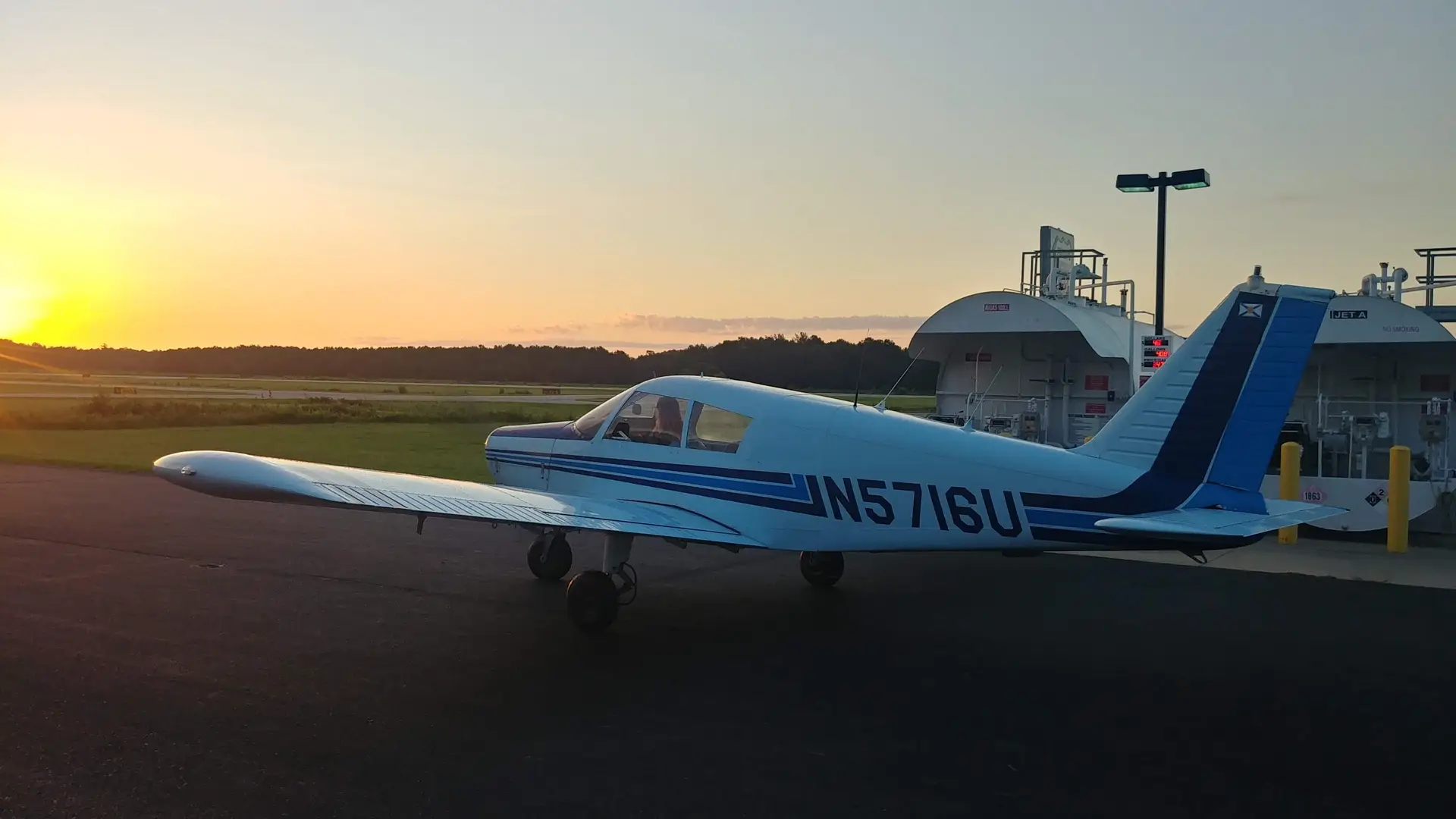
Your lesson commences with a friendly preflight briefing and exterior aircraft walk-around inspection alongside your assigned Certified Flight Instructor. This informative opening session features:
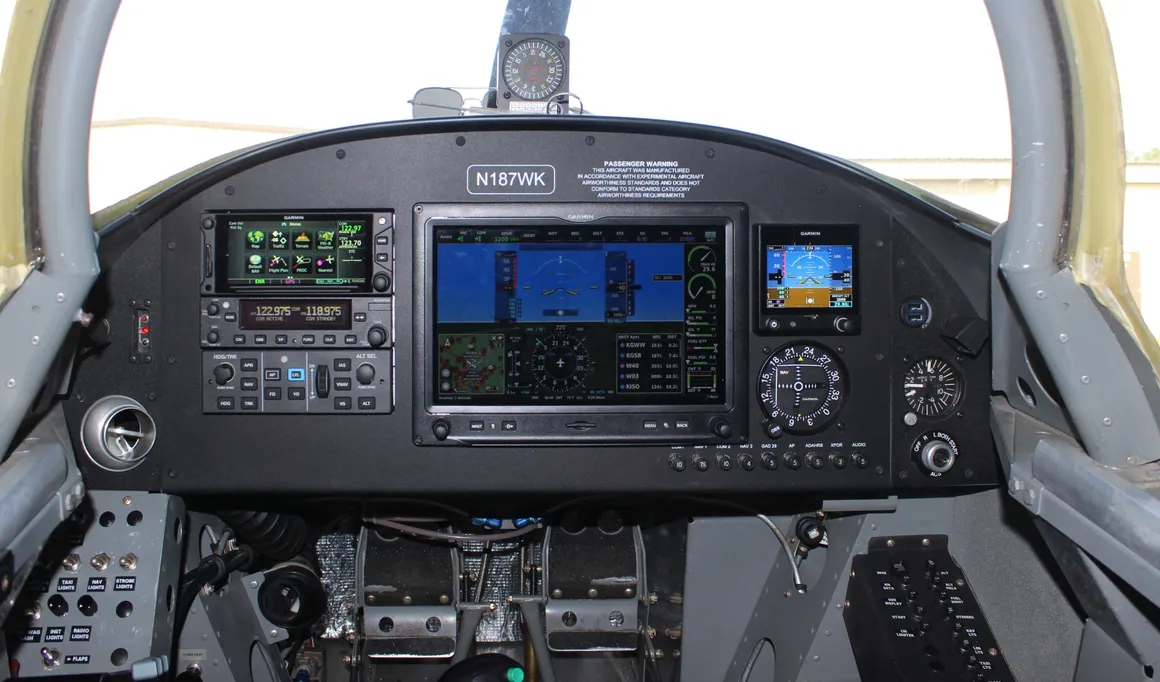
- A clear orientation across the electronic flight instruments, control yokes, throttle levers, and communication radio headsets
- An guided external inspection of the training aircraft where you participate in checking control surface movements and fuel indicators
- A visual review of your intended flight corridor across eastern North Carolina skies
This welcoming orientation builds instant comfort around the aircraft. Understanding basic cockpit controls before engine startup ensures your subsequent time in the air feels relaxed, educational, and inspiring.
In the Air: Experiencing True Flight Command
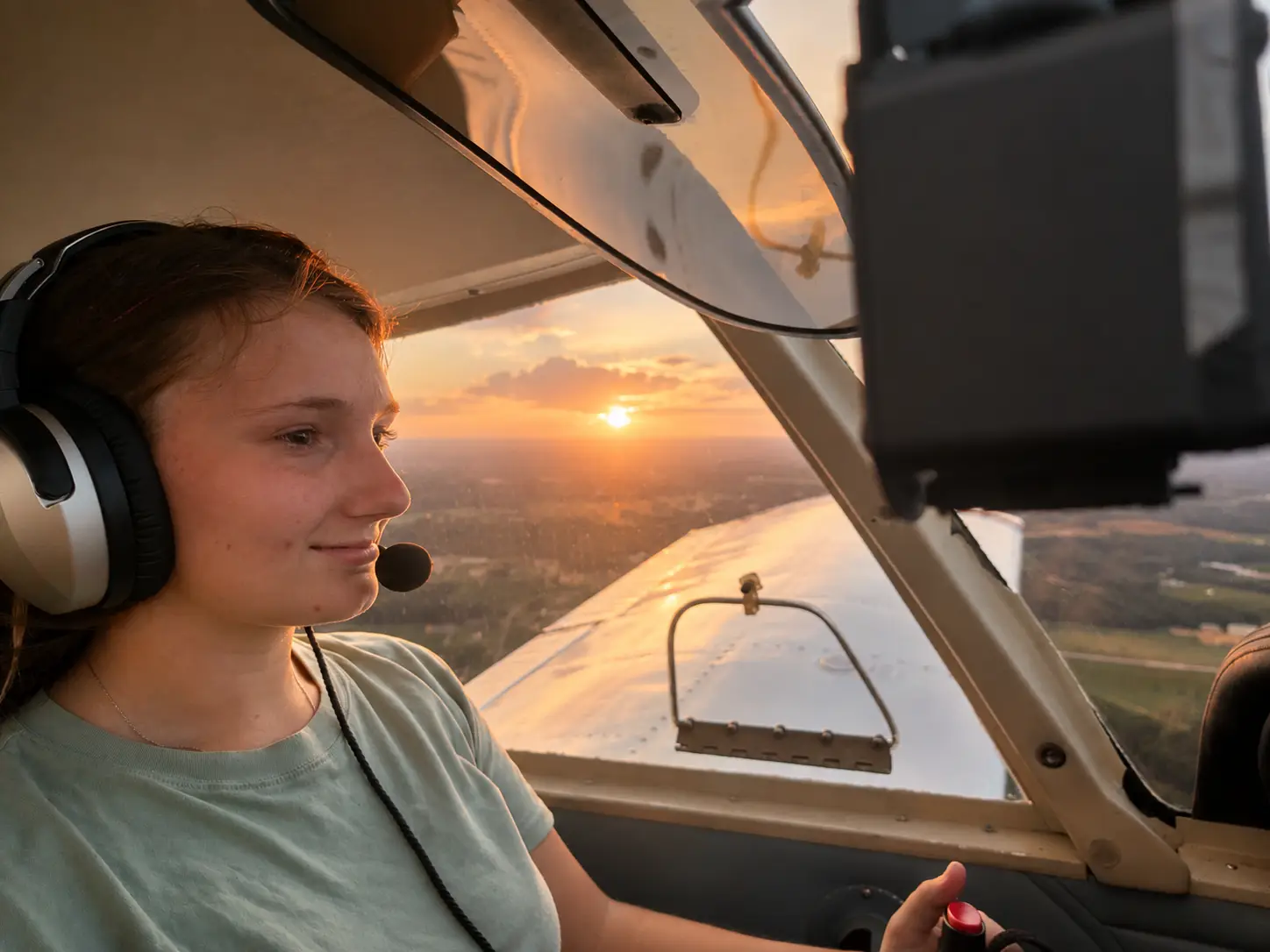
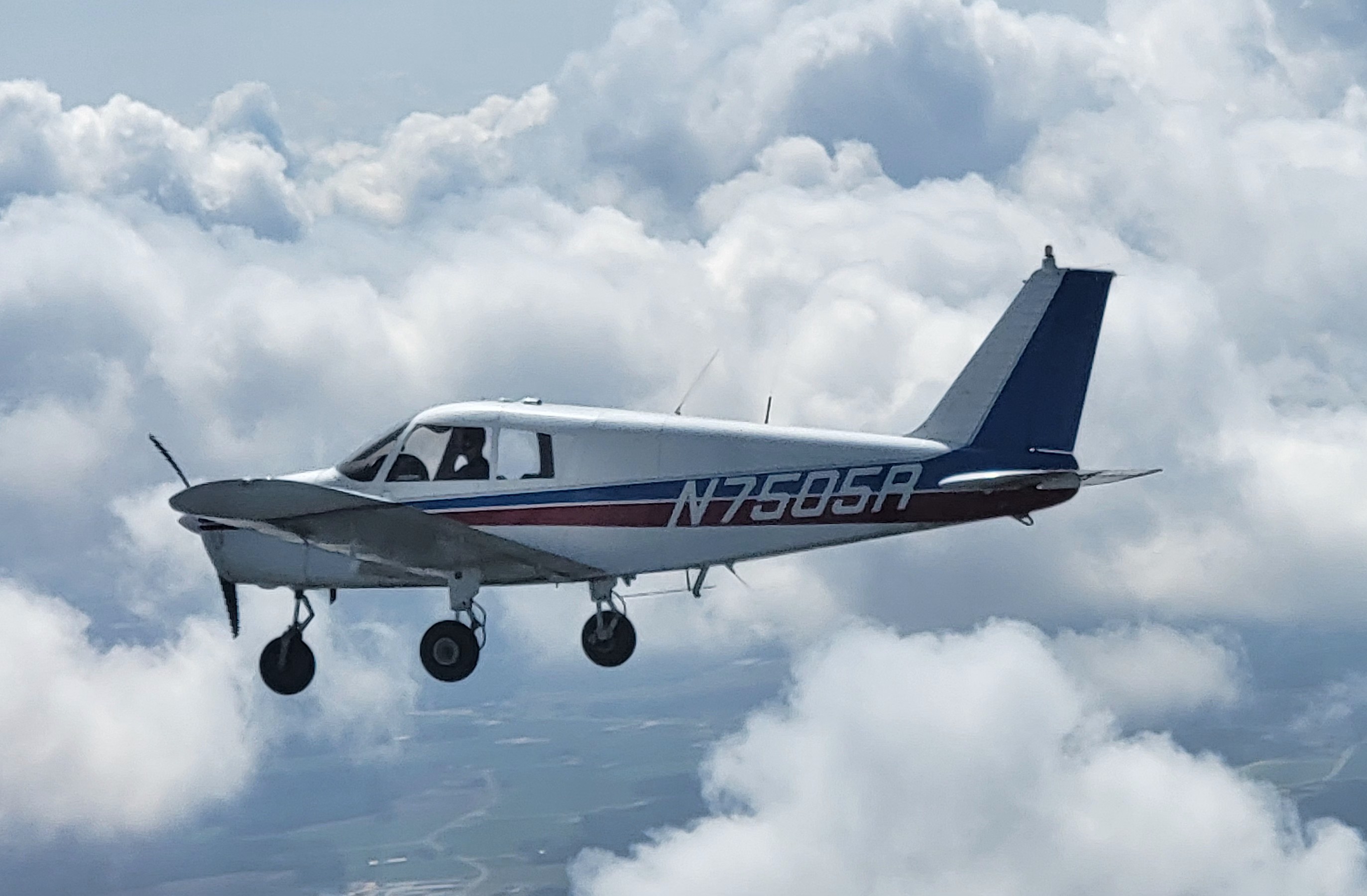
Once you complete run-up checklists and taxi to the active departure runway, your flight instructor executes the initial takeoff and climbs safely into steady flying altitude. Once established outside airport traffic pattern boundaries, your instructor will invite you to place your hands gently upon the dual control yoke and guide the airplane yourself.
During your interactive instructional flight, you will actively practice:
- Feeling how smoothly the instructional aircraft responds to gentle, fingertip guidance on the flight controls
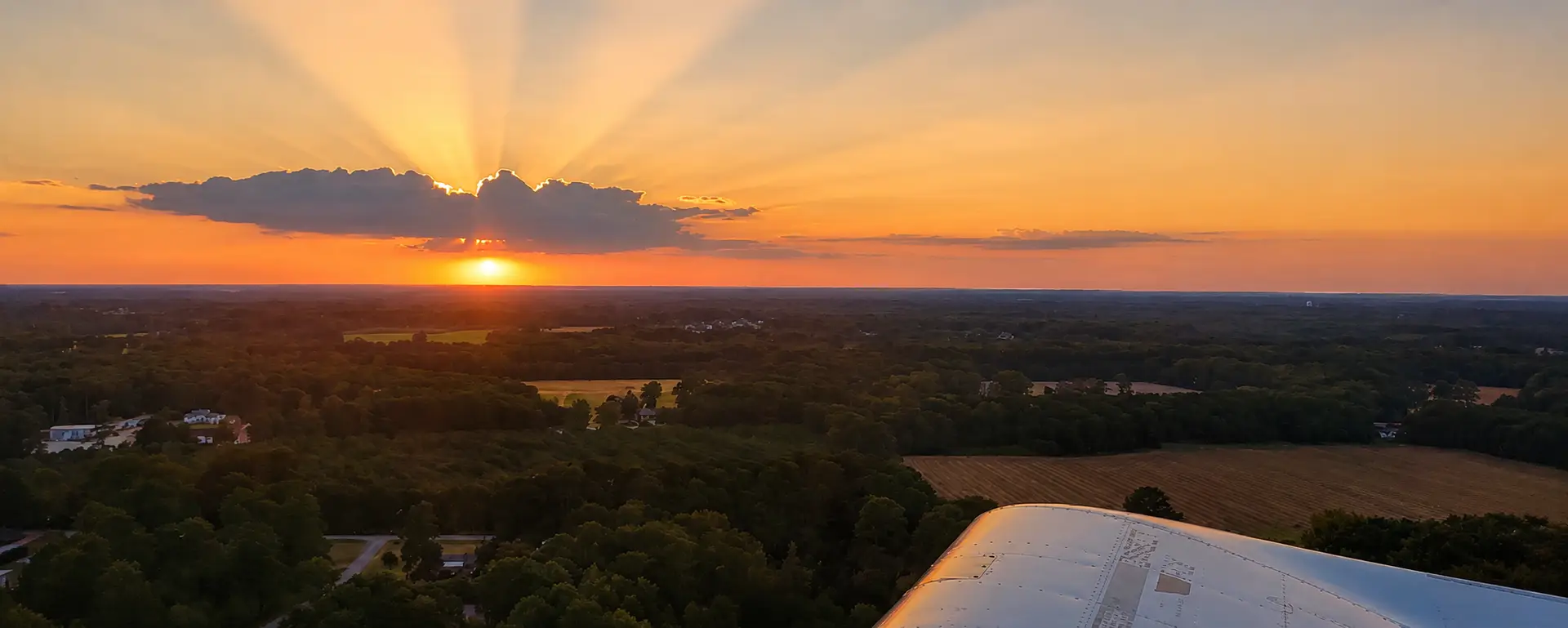
- Observing the panoramic visual horizon stretching out across North Carolina terrain below
- Executing fundamental visual flight coordinated maneuvers, including gentle climbs, straight level flight, and shallow banked turns
- Cross-referencing visual sightlines out the windshield with electronic attitude indicators on the instrument dashboard
Your flight instructor remains fully responsible as legal Pilot in Command throughout the entire session. Your instructor keeps their hands positioned above the dual flight controls alongside you, offering clear verbal coaching and ensuring your lesson remains exceptionally smooth and safe.
Why a Discovery Flight Delivers Real Value
Experiencing flight directly from an aircraft pilot seat provides valuable educational insight that reading study guidebooks or watching online videos cannot replicate. Participating in an introductory lesson allows you to observe professional instructional communication, examine fleet cleanliness, and experience airport operational culture firsthand.
One of the most welcoming attributes of an introductory flight lesson is its complete accessibility: you do not require an FAA medical certificate, a student pilot license, or prior technical training to fly as an instructional student. You simply arrive wearing comfortable casual attire and supportive closed-toe footwear, ready to enjoy an unforgettable educational experience.
When you decide to transition from introductory orientation into structured certification within our foundational Private Pilot Certificate program, organizing your educational budget early keeps your training schedule consistent. Reviewing our helpful overview of practical financing options provides clear visibility into planning your flight academy progression with total confidence.
Does Your Discovery Flight Count Toward a Pilot License?
Yes, your discovery flight represents authentic dual flight instruction, and your time in the air counts legally toward your formal FAA pilot certification!
Because an authorized Certified Flight Instructor delivers your introductory lesson inside an approved instructional airplane, your time in the cockpit constitutes official flight school instruction. Following your return landing and engine shutdown, your flight instructor can record and endorse your dual flight instruction time directly into an official pilot logbook.
While your introductory flight represents just your first step toward statutory flight training hour thresholds, possessing an official instructional endorsement stamped inside your logbook represents an exciting personal achievement. As your proficiency develops, that early learning momentum carries forward smoothly into navigation milestones within our Instrument Rating curriculum and high-performance instruction inside our Commercial Pilot Certificate course.
To discover how your initial logbook endorsements connect with total certification minimums, review our complete breakdown of private pilot license cost and requirements.
What to Expect If You Have Only Flown Commercial Airlines
For many prospective student aviators, previous flying background consists of boarding a massive, heavily sound-insulated commercial transport airliner. Taking flight inside an instructional single-engine airplane introduces you to an engaging, sensory-rich atmospheric flying environment:
- Acoustic Engine Atmosphere: General aviation training airplanes operate with powerful piston engines positioned immediately ahead of the cockpit windshield. To maintain crystal-clear audio communication, your instructor provides professional aviation noise-attenuating headsets featuring built-in intercom microphone systems.
- Immediate Aerodynamic Responsiveness: Massive transport jetliners require deliberate mechanical surface deflection to alter operational course. A well-trimmed instructional training aircraft responds instantaneously and smoothly to subtle, balanced guidance on the control yoke.
- Unrivaled Panoramic Visibility: Sitting directly up front inside an airy instruction cabin enclosed by large clear windows provides extraordinary spatial orientation and scenic views far surpassing standard passenger cabin porthole windows.
- Authentic Air movement Sensation: Gentle atmospheric breezes and natural thermal air currents generate noticeable, enjoyable movement through the sky, helping you develop intuitive mechanical awareness of flight aerodynamic forces.
Experiencing these immersive sensory qualities helps you appreciate the genuine craft of piloting an aircraft. For practical insight into how atmospheric patterns influence daily training calendars across eastern North Carolina, read our comprehensive student pilot flying weather guide.
Flying Across North Carolina Skies in 2026
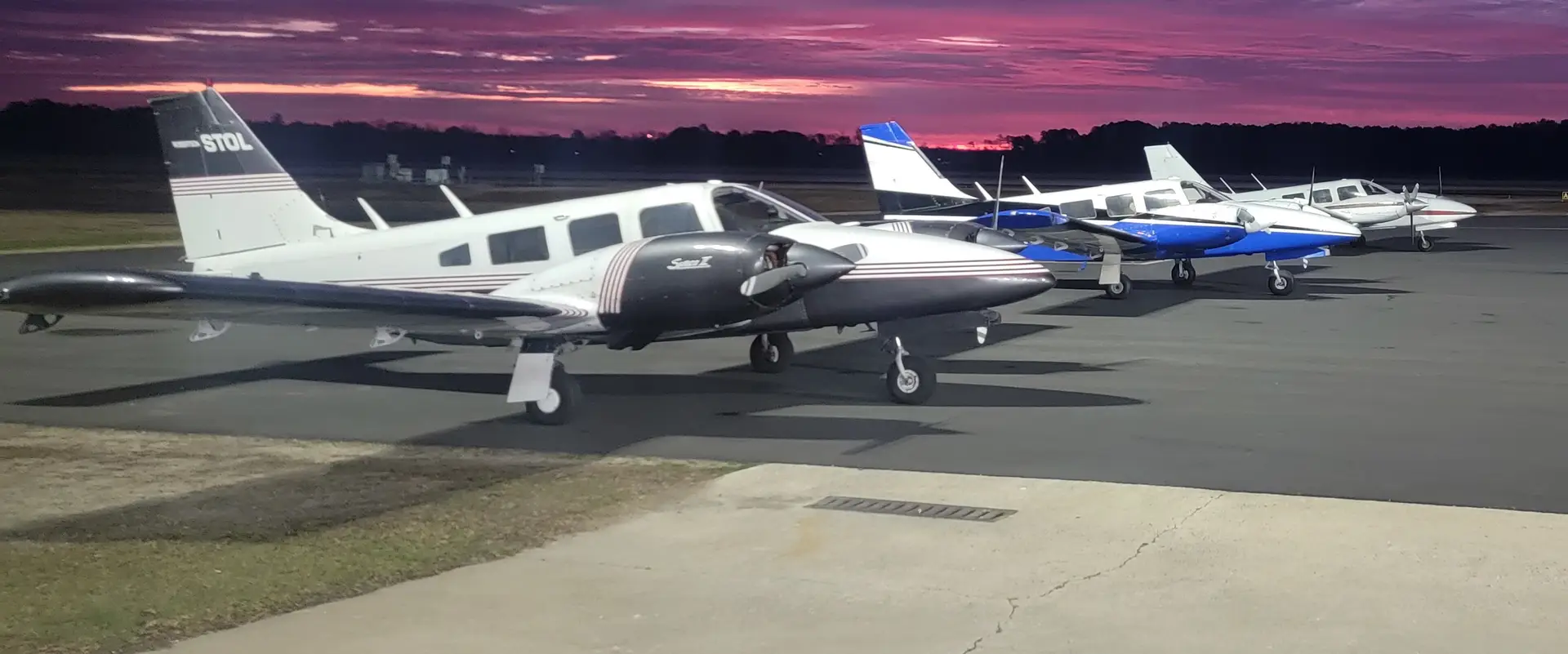
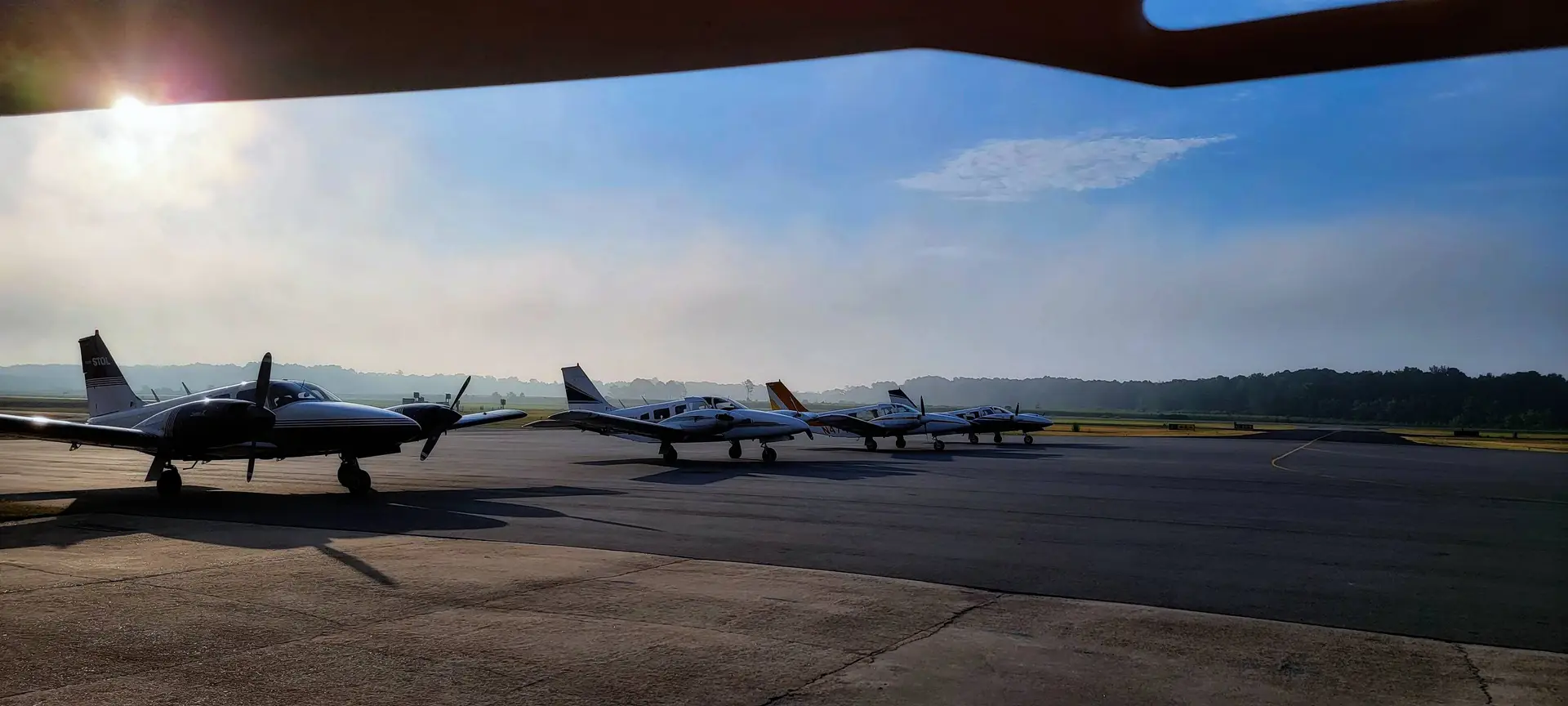
At M2A Aviation Academy, our team conducts discovery flights directly out of Wayne Executive Jetport (KGWW) in Goldsboro, North Carolina. Operating from a student-focused, uncluttered operational airport generates substantial training advantages: you avoid lengthy taxiway queues associated with commercial terminal hubs and maximize every minute of instructional engine time across wide-open, accessible airspace.
For Aviators Traveling From Raleigh and Durham: Wayne Executive Jetport is located approximately an hour southeast of the thriving Triangle metropolitan area. Dedicated pilot trainees frequently choose our Goldsboro tarmac because uncluttered local airspace and reliable visual weather windows significantly accelerate instructional progression. You can discover why Triangle students choose our operational field in our overview of flight training advantages near Raleigh.
For Pilots Arriving From Coastal North Carolina and Charlotte: Whether you are driving from Fayetteville, Greenville, or broader coastal communities, Goldsboro offers centralized access for regular instructional appointments. For trainees aiming to complete concentrated training tracks without daily commuting friction, utilizing our accessible on-site accommodations allows you to reside mere steps from your instruction fleet.
Frequently Asked Questions
Do I require an FAA medical certificate before arriving for my discovery flight? No. You do not need any medical examination, student certification, or textbook study prior to enjoying an introductory discovery flight. Your authorized flight instructor serves as legal Pilot in Command throughout the entire session.
May I invite a family member or close friend along during my introductory flight? Many four-seat training airplanes accommodate a guest observing comfortably from the rear seat, subject to daily aircraft weight and balance engineering calculations. Confirm your guest preferences with our staff during scheduling so we coordinate an aircraft cabin configuration that safely accommodates your observer!
How long does a typical discovery flight appointment last from check-in to completion? A comprehensive introductory flight session typically requires approximately 45 to 60 minutes in total duration. This timeframe includes your guided ramp preflight inspection, cockpit instrumentation orientation, roughly half an hour of actual airborne instructional flight, and an educational post-flight debrief discussion.
What clothing and personal gear should I wear to the airport for my lesson? We advise wearing comfortable casual apparel combined with practical closed-toe footwear suitable for walking across paved aircraft ramps. Sunglasses provide helpful comfort against bright North Carolina sunlight, and our instruction staff furnishes aviation headsets upon check-in.
Will I actively hold the controls and pilot the aircraft during the session? Yes! Once safely established at steady cruising altitude, your Certified Flight Instructor will guide you through placing your hands upon the control yoke, permitting you to perform standard turns, level flight, and gentle climbs under professional observation.
Schedule Your Discovery Flight in 2026
Nothing replicates the unforgettable excitement of taking control of an aircraft for the very first time in 2026. When you feel ready to discover how rewarding piloting an airplane truly is, contact us today or call our friendly admissions team directly at (910) 900-8043 to coordinate your preferred schedule, tour our Wayne Executive Jetport facilities, and book your unforgettable discovery flight with M2A Aviation Academy!