Commercial Pilot Certificate Requirements: 2026 Guide
Published by:
CK.
Published on:
Updated on:
Read time:
6 min read
A private pilot certificate says you can fly safely for yourself and your passengers. A commercial pilot certificate says something different: someone can trust you enough to pay you for it. That shift, from flying for fun to flying as a professional standard, is what the commercial pilot certificate is actually built around.
If you’re evaluating whether you’re ready for commercial training, it helps to know exactly what the certificate allows, what it doesn’t, and where it fits in the broader path toward a professional aviation career.
What a Commercial Pilot Certificate Actually Allows
A commercial pilot certificate allows you to act as pilot in command for certain operations involving compensation or hire. That’s the core privilege. What it does not do is automatically qualify you for every paid flying job you can picture.
Many commercial operations still require an instrument rating, additional ratings or type ratings, specific company training, insurance requirements, or more total flight experience than the certificate alone provides. In practice, commercial certificate holders without an instrument rating face real restrictions, including limits on carrying passengers for hire at night or on longer cross-country flights. That’s one reason most career-track students complete their Instrument Rating before moving into commercial training.

Where It Fits in the FAA Certification Path
The commercial pilot certificate sits after the private pilot certificate and instrument rating in the common civilian training sequence, though this is a typical pathway rather than a universal requirement for every aviation goal.
| Stage | What Happens | Where to Learn More |
|---|---|---|
| Private Pilot Certificate | Builds foundational stick-and-rudder skills and decision-making | Private Pilot Certificate |
| Instrument Rating | Adds the ability to fly by reference to instruments in reduced visibility | Instrument Rating |
| Commercial Pilot Certificate | Refines precision, energy management, and professional-level judgment | Commercial Pilot Certificate |
| Flight Instructor / CFII | Common next step for building experience while teaching | Certified Flight Instructor |
FAA regulations lay out commercial airplane certification requirements under 14 CFR 61.123, 61.125, 61.127, 61.129, and 61.133. For many airplane applicants, 61.129 is commonly summarized as a 250-hour total-time requirement, though the exact path can vary by category, class, and whether the training is completed under Part 61 or an FAA-approved Part 141 course. You can read the full regulation directly at eCFR, 14 CFR Part 61.
What Commercial Training Emphasizes That Private Training Doesn’t
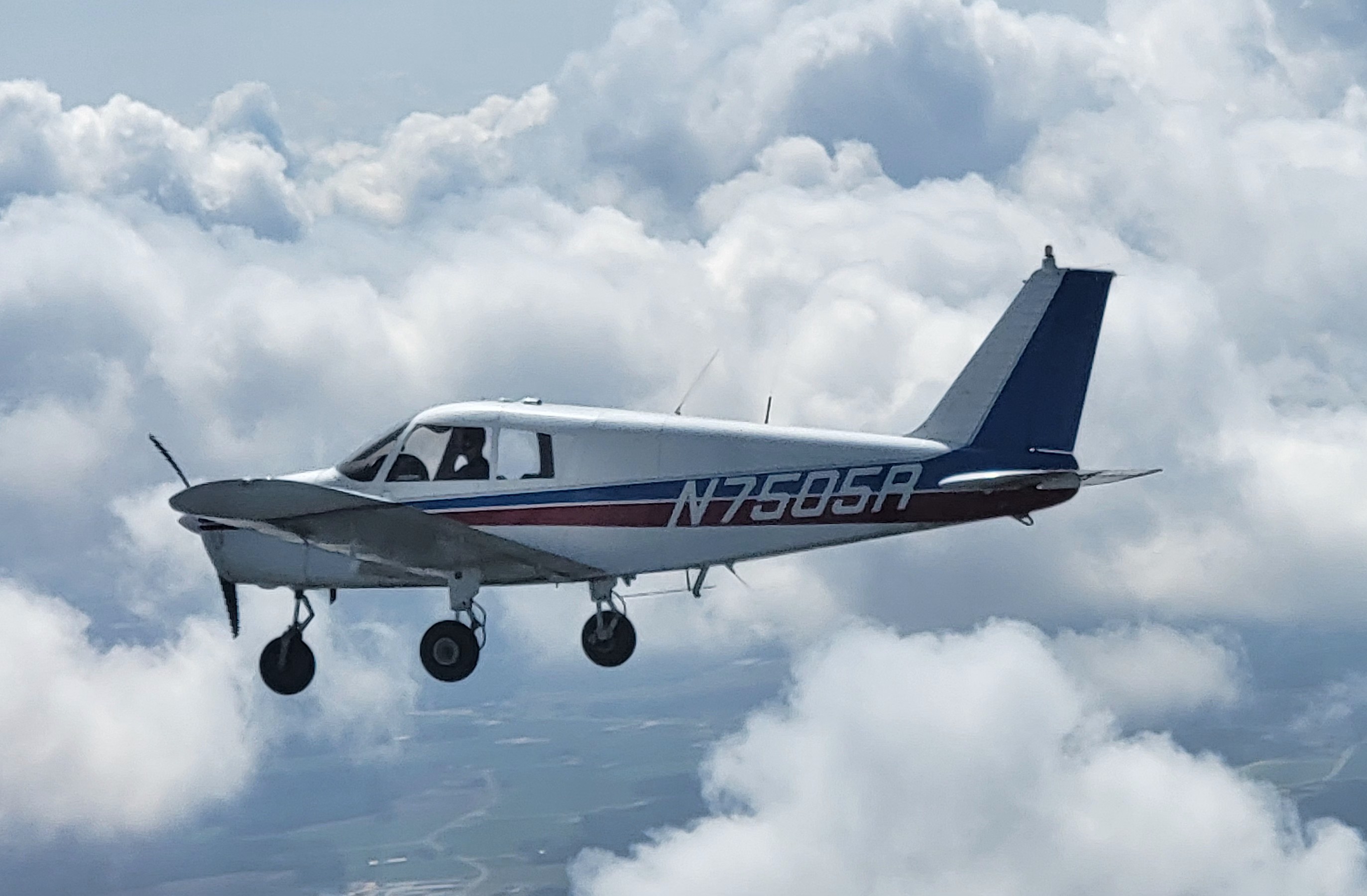
Private pilot training focuses on foundational safety and decision-making. Commercial training raises the bar on precision. Expect more advanced maneuvers, like chandelles, lazy eights, and steep spirals, that demand tighter energy management and situational awareness than earlier training required.
This is also where flying starts to feel less like a personal hobby and more like a discipline you’re being trusted with. Passenger comfort, systems management, and sound aeronautical decision-making become part of the standard you’re expected to meet, not just the maneuvers themselves. That professional standard is the whole premise behind our Commercial Pilot Certificate course, and it’s why we treat commercial training as more than a box to check on the way to the airlines.
What Comes After the Commercial Certificate
Earning a commercial pilot certificate doesn’t put you in an airline cockpit right away. Airline roles under Part 121 require an Airline Transport Pilot (ATP) certificate, which generally requires 1,500 total flight hours with some exceptions. That’s why many commercial certificate holders pursue a Certified Flight Instructor and CFII certificate next, both to build experience and to start earning as they build toward ATP eligibility. For a closer look at that requirement, see our guide on the 1,500 hour rule.
Financing and Getting Started
Commercial training represents a real step up in flight-hour requirements, which naturally means a real step up in time and cost. The financing options available to our students are worth exploring early, alongside your training timeline, so the two can be planned together rather than addressed separately after you’ve already started.
Frequently Asked Questions
Do I need an instrument rating before commercial training? It’s not strictly required to hold a commercial certificate, but the certificate carries real restrictions without one, including limits on carrying passengers for hire at night or on longer cross-country flights. Most career-track students complete their instrument rating first.
Can I fly for an airline right after earning a commercial certificate? Not immediately. Airlines operating under Part 121 require an ATP certificate, which generally requires 1,500 total flight hours. Many pilots build that time as flight instructors after earning their commercial certificate.
What’s the difference between a rating and a certificate? A certificate is the credential level, like private, commercial, or ATP. A rating is an authorization added to a certificate, like an instrument rating or multi-engine rating. The commercial pilot certificate is a certificate, not a rating.
Does a commercial certificate let me fly any paid job? No. Many commercial operations require additional ratings, company-specific training, insurance requirements, or more experience beyond what the certificate alone provides.
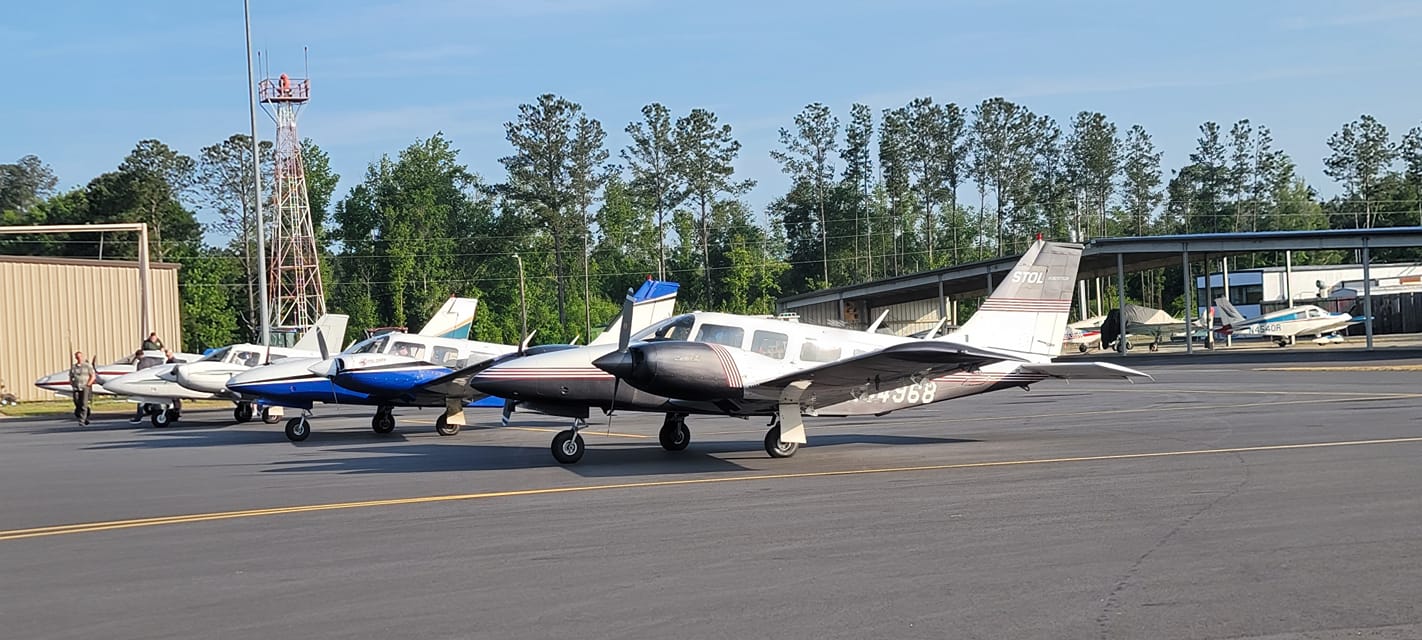
What kind of aircraft will I train in for commercial certification? That depends on the school and program. At M2A, commercial students train in our single-engine training fleet, with a Multi-Engine Rating available as a separate add-on.
Ready to Talk Through Your Commercial Training Path?
If you’re weighing whether now is the right time to start commercial training, contact us or call (910) 900-8043 to talk through your current ratings, your timeline, and what commercial training at M2A Aviation Academy actually involves.