The Smartest Way to Build 1500 Flight Hours in 2026: The Instructor Pathway

Published by:
CK.
Published on:
Updated on:
Read time:
6 min read
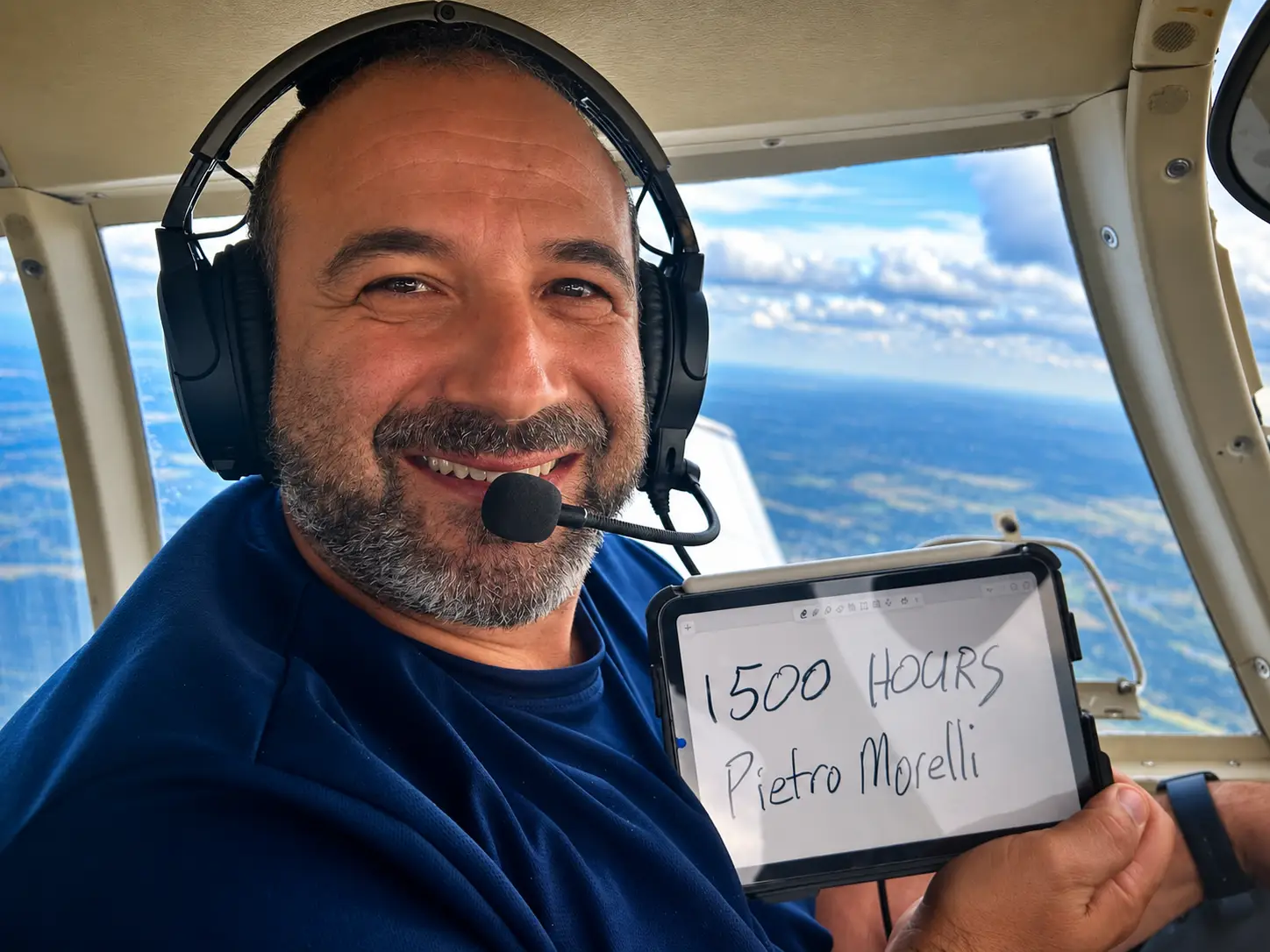
You sit in the right seat, headset on, watching your student pilot execute a steep turn over the North Carolina landscape. You log another 1.2 hours. You are deep in the grind of building the 1,500 hours required for your standard Airline Transport Pilot (ATP) certificate. But at many flight schools, this milestone comes with a heavy dose of anxiety. You know that the day you log your 1,500th hour, you will likely receive a generic email thanking you for your service and informing you that you are dismissed.
This transient, “hour-builder” model fosters apathy. Instructors focus solely on their own logs rather than their students’ success, contributing directly to high student dropout rates.
The smartest way to build your 1,500 hours is to work for an academy that treats flight instruction as a professional career step, investing in your transition to the airlines instead of treating you as temporary labor.
Why Traditional Hour-Building Breeds Instructor Burnout
For most commercial pilots, working as a Certified Flight Instructor (CFI) is the primary method to accumulate flight experience. However, the traditional CFI environment is often structured to work against your long-term career goals.
- Lack of Career Progression: Many flight schools offer static wages, zero performance bonuses, and no clear pathway to advanced flying. Once you reach the FAA minimums, your employment ends.
- Hour-Building Apathy: When instructors are treated as temporary workers, they naturally focus on logging hours as quickly as possible. This lack of investment in student outcomes is a major reason why student pilots quit.
- The High Cost of Airline Prerequisites: Earning your ATP certificate requires more than just hours. You must complete the FAA-mandated ATP Certification Training Program (ATP CTP) under 14 CFR Part 61 before taking your multi-engine written exam. This training course is an expensive out-of-pocket hurdle that pilots must navigate.
At M2A Aviation Academy, we decided to restructure this path. If you invest in your students’ success, your school should support your next step with structure, mentorship, and clear planning.
Build Hours in a Culture That Measures Student Outcomes
At M2A Aviation Academy, the instructor role is built around more than filling a logbook. Your work matters because every flight affects a student’s confidence, checkride readiness, and long-term safety habits.
That is why our instructor pathway emphasizes:
- Student progress: You are expected to help students move through training with clear standards, not loose lessons that drift from week to week.
- Checkride readiness: The goal is not just to reach the next flight hour. The goal is to prepare students for the next evaluation with discipline and consistency.
- Professional mentorship: You build hours while working inside a training culture led by experienced aviation professionals, not inside a churn-and-burn hour-building shop.
This turns the right seat from a time-building grind into a professional career step. Your students get committed instruction, and you build the habits, judgment, and leadership airlines expect from future captains. To see how we structure our student paths, browse our Professional Pilot Track page.
Comparing Your CFI Career Paths
Not all flight instructor roles offer the same return on your time. When evaluating where to build your flight hours, consider how the environment supports your next career step:
| Career Feature | Traditional Flight School | M2A Aviation Academy |
|---|---|---|
| Instructor Status | Transient hour-builder | Professional team member |
| Career Development | Left to figure out alone | Structured mentorship and airline-focused planning |
| Checkride Access | Legacy waitlists (3 to 8 weeks) | In-house DPE planning |
| Post-1,500 Planning | Employment often ends at 1,500 | ATP/CTP in house opportunities |
| Core Certifications | Standard Certified Flight Instructor | Certified Instrument Flight Instructor |
If you are a commercial pilot ready to earn your instructor credentials, we provide comprehensive financing solutions to help you complete your ratings. Explore your funding options on our Financing page.

Speeding Up Your Timeline with CFII and MEI Ratings
If you want to build hours quickly, you need to be eligible to teach a wide range of students. Limiting yourself to basic private pilot training means your schedule depends entirely on weather and introductory lessons to log a steady stream of flight hours.
Earning your Certified Flight Instructor Instrument (CFII) and Multi-Engine Instructor (MEI) ratings accelerates your timeline by allowing you to:
- Teach Instrument Students: Instrument rating students fly consistently, including in actual instrument meteorological conditions (IMC), allowing you to keep your own IFR skills sharp.
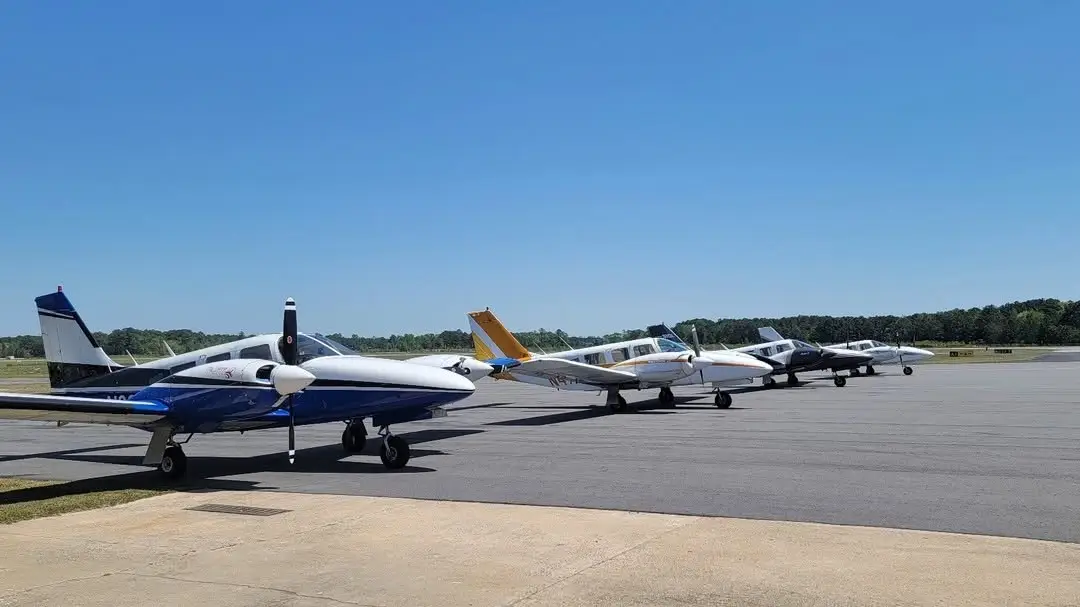
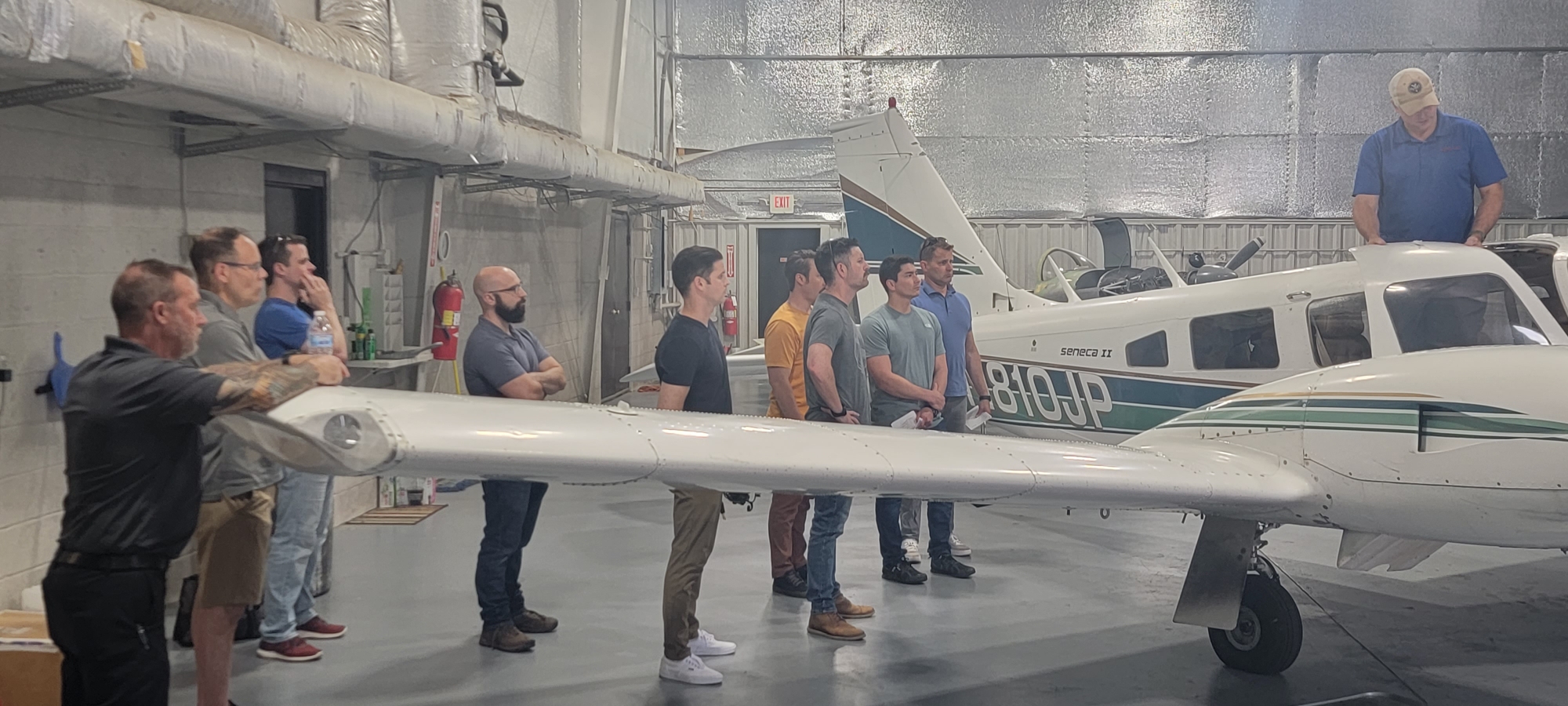
- Log Multi-Engine PIC Time: Teaching in our fleet of Seneca II twin-engine aircraft allows you to build multi-engine pilot-in-command hours, which are heavily weighted by airline recruiters.
- Maintain Year-Round Flight Volume: Having the credentials to teach private, instrument, and multi-engine students ensures a steady stream of flight hours regardless of seasonal training shifts.
By standardizing our training around high-performance glass-cockpit aircraft and providing in-house Designated Pilot Examiner (DPE) access, we help you earn these instructor add-ons efficiently.
Frequently Asked Questions
-
What is the 1,500-hour rule?
The FAA requires pilots to accumulate at least 1,500 hours of total flight time to qualify for an Airline Transport Pilot (ATP) certificate, which is required to fly for a scheduled commercial airline. For a detailed breakdown of the requirements, review our guide to the 1,500-hour rule.
-
What is the ATP CTP course?
The Airline Transport Pilot Certification Training Program (ATP CTP) is an FAA-mandated course that includes 30 hours of classroom instruction and 10 hours of simulator training. It must be completed before you can take the ATP multi-engine knowledge test.
-
Does M2A help instructors plan for the airline step?
Yes. Instructors build hours inside a structured training environment where student progress, checkride readiness, and career planning are part of the conversation. Specific next steps depend on your certificates, performance, timing, and current hiring needs.
-
Can I earn my CFI, CFII, and MEI at M2A?
Yes. We offer complete instructor training programs, including standalone courses for the Certified Flight Instructor certificate, the Certified Flight Instructor Instrument rating, and the Multi-Engine Instructor rating.
-
Do you hire your own flight school graduates?
Yes. We actively hire qualified graduates from our professional track to work as flight instructors. This provides a seamless transition from student pilot to paid professional, helping you build your hours in a familiar, highly efficient training environment.
Secure an Instructor Role That Invests in Your Future
Do not settle for an hour-building grind that views you as temporary labor. By aligning your teaching standards with student outcomes, you can protect your students’ success while building the professional habits airlines expect.
Whether you need to earn your initial instructor ratings or want to join a team that values professional mentorship, we provide the fleet, the structure, and the career support to help you reach the flight deck.
Contact Us today to discuss current instructor hiring opportunities, class dates, and how to get started on your pathway to the airlines.