How to Build Multi-Engine Hours Fast in 2026: The DPE Advantage
Published by:
CK.
Published on:
Updated on:
Read time:
6 min read
Imagine walking out to the flight line on a crisp North Carolina morning at Wayne Executive Jetport (KGWW). You preflight a twin-engine aircraft, checking both propellers and verifying the fuel systems. You are ready to log multi-engine hours. But at most flight schools, this is where your momentum stops. You finish your training block only to hear that the Designated Pilot Examiner (DPE) is booked out for the next six weeks.
To make yourself competitive for regional airline hiring, you need to build multi-engine experience quickly and efficiently. Unfortunately, the traditional path to earning a multi-engine rating and accumulating twin-engine hours is riddled with scheduling bottlenecks and maintenance delays.
If you want to clear the multi-engine hour hurdle without wasting months in a holding pattern, you must understand how a structured training program and immediate examiner access change the math.
Why Most Multi-Engine Time Building Stalls
For commercial pilots, building multi-engine time is a critical stepping stone. However, the path is often blocked by a double bottleneck that drains your training budget and stalls your timeline.
1. The Single-Airplane Gamble
Most local flight schools only operate one or two twin-engine aircraft. If the school’s single multi-engine trainer goes down for a 100-hour inspection, an engine overhaul, or an unexpected maintenance event, your training pauses indefinitely. Since multi-engine aircraft require intensive upkeep, relying on a school with a small fleet introduces significant schedule risk.
2. The DPE Waitlist Nightmare
Nationally, the wait time to schedule a checkride with a Designated Pilot Examiner ranges from three to eight weeks. If you have to wait two months for your test date, you cannot simply stop flying. You must pay for weekly proficiency flights just to keep your maneuvers sharp. This extra flight time maintains your readiness but adds no new ratings to your certificate, rapidly blowing past your budget.
At M2A Aviation Academy, we resolved these issues by matching a robust multi-engine training fleet with direct, in-house examiner access.
How 8 Seneca IIs and In-House DPEs Keep You Flying
To build multi-engine hours efficiently, you need constant aircraft availability and immediate testing access. We built our entire multi-engine footprint to eliminate the scheduling friction career-track pilots face elsewhere.
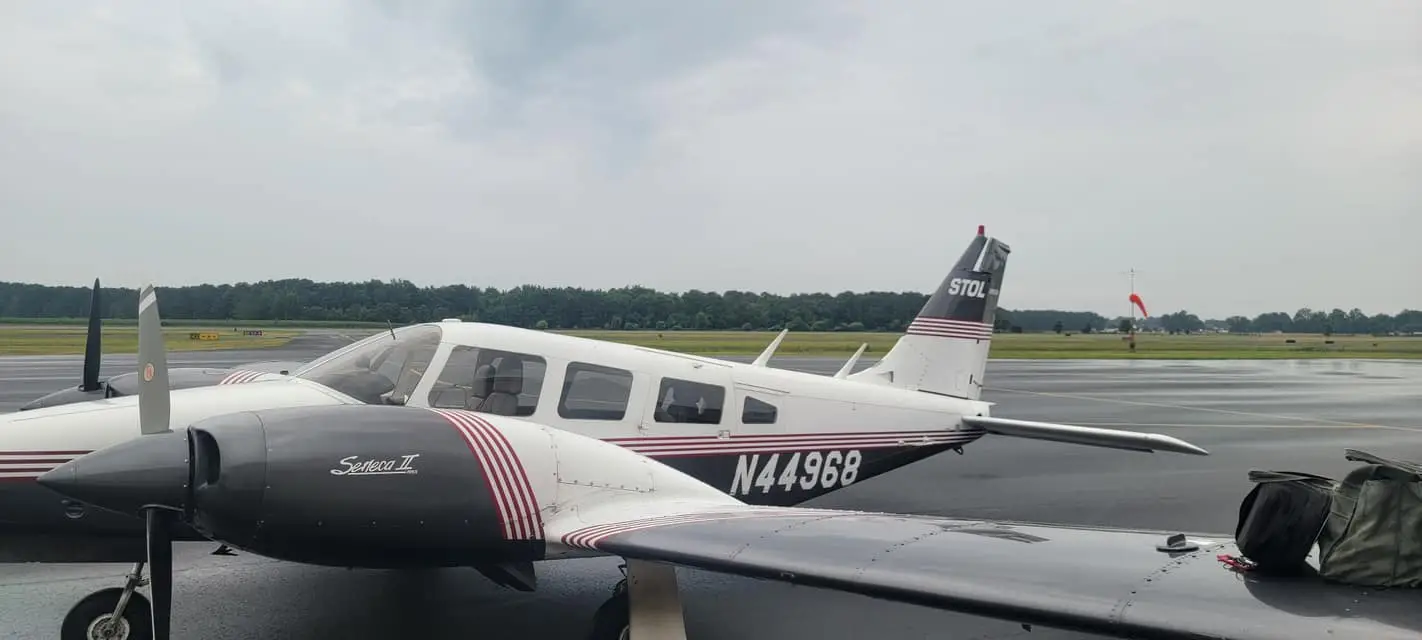
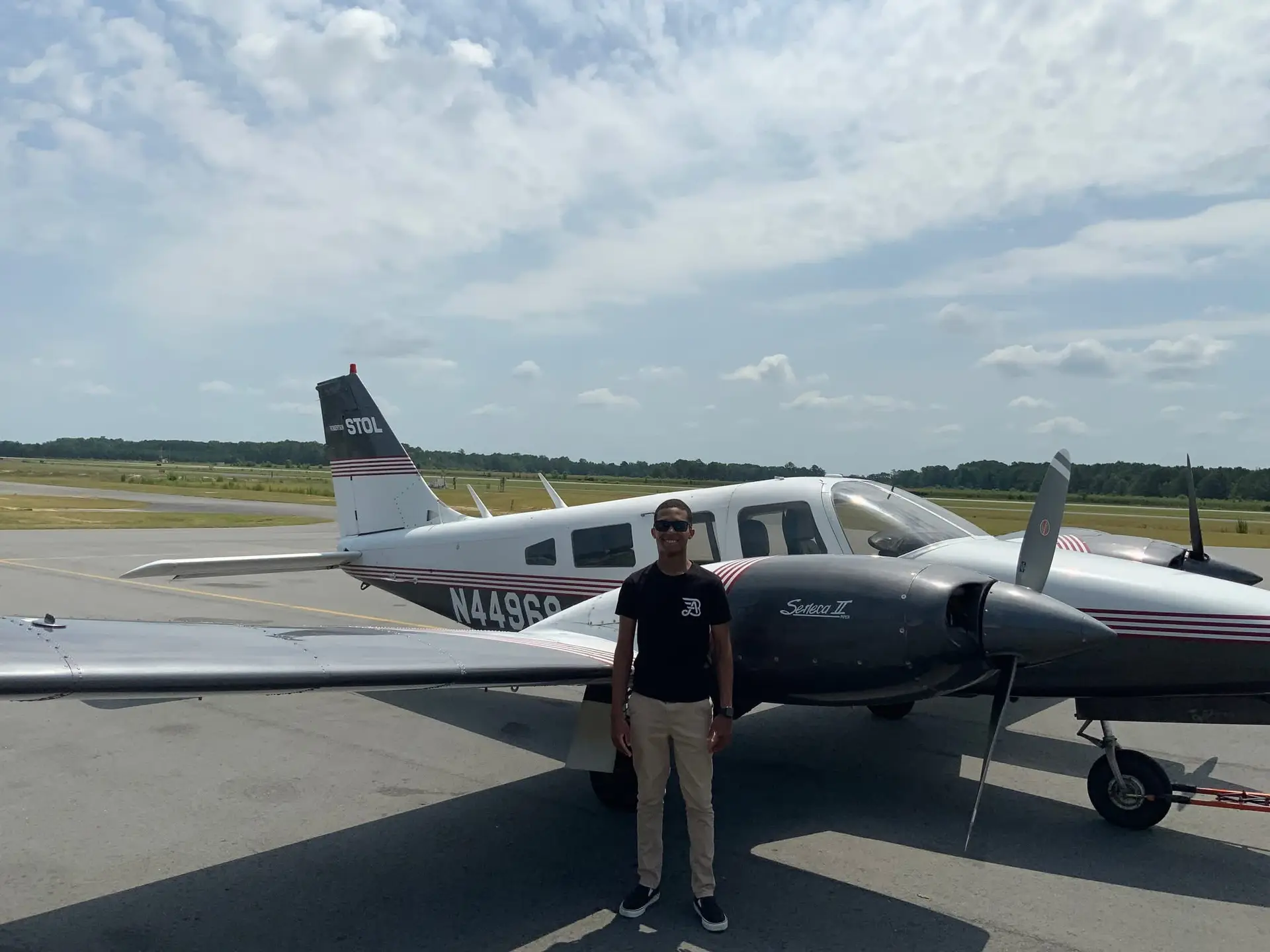
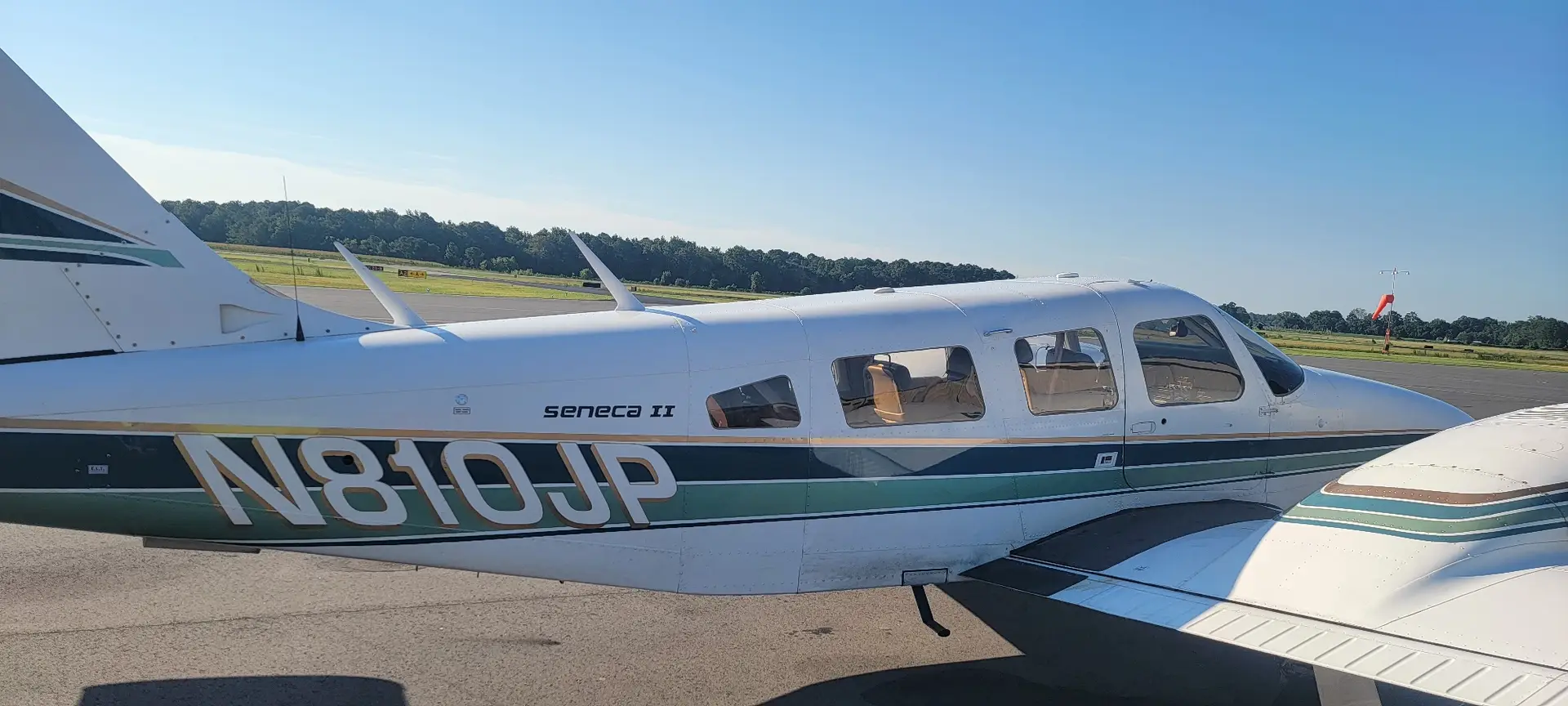
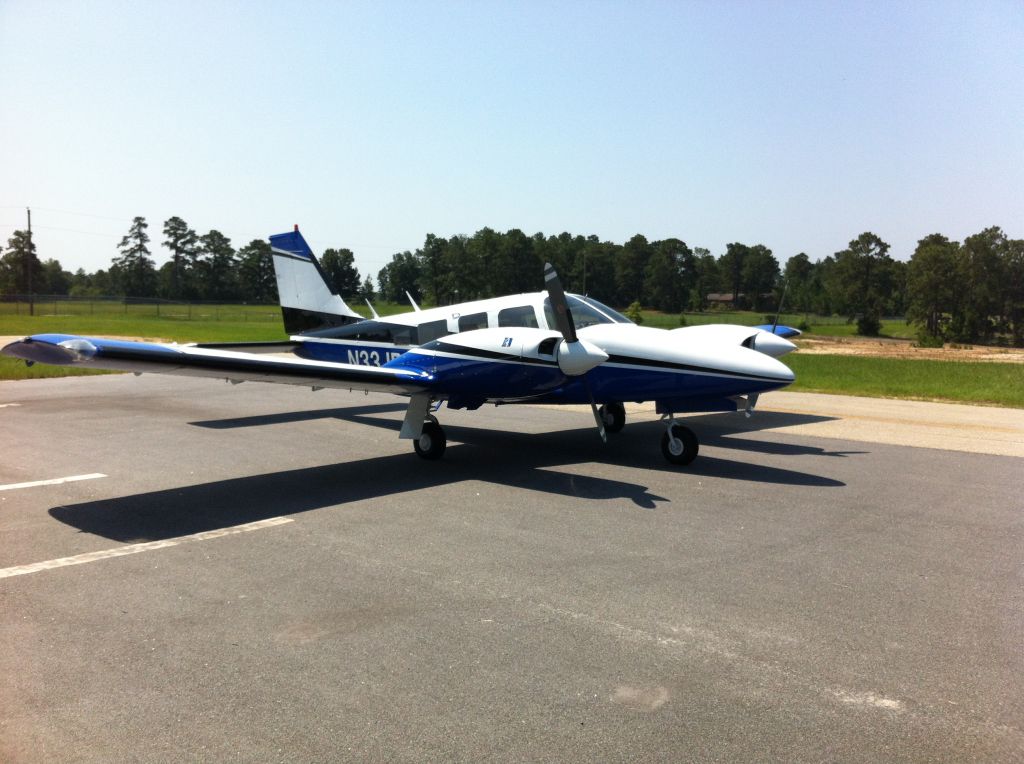
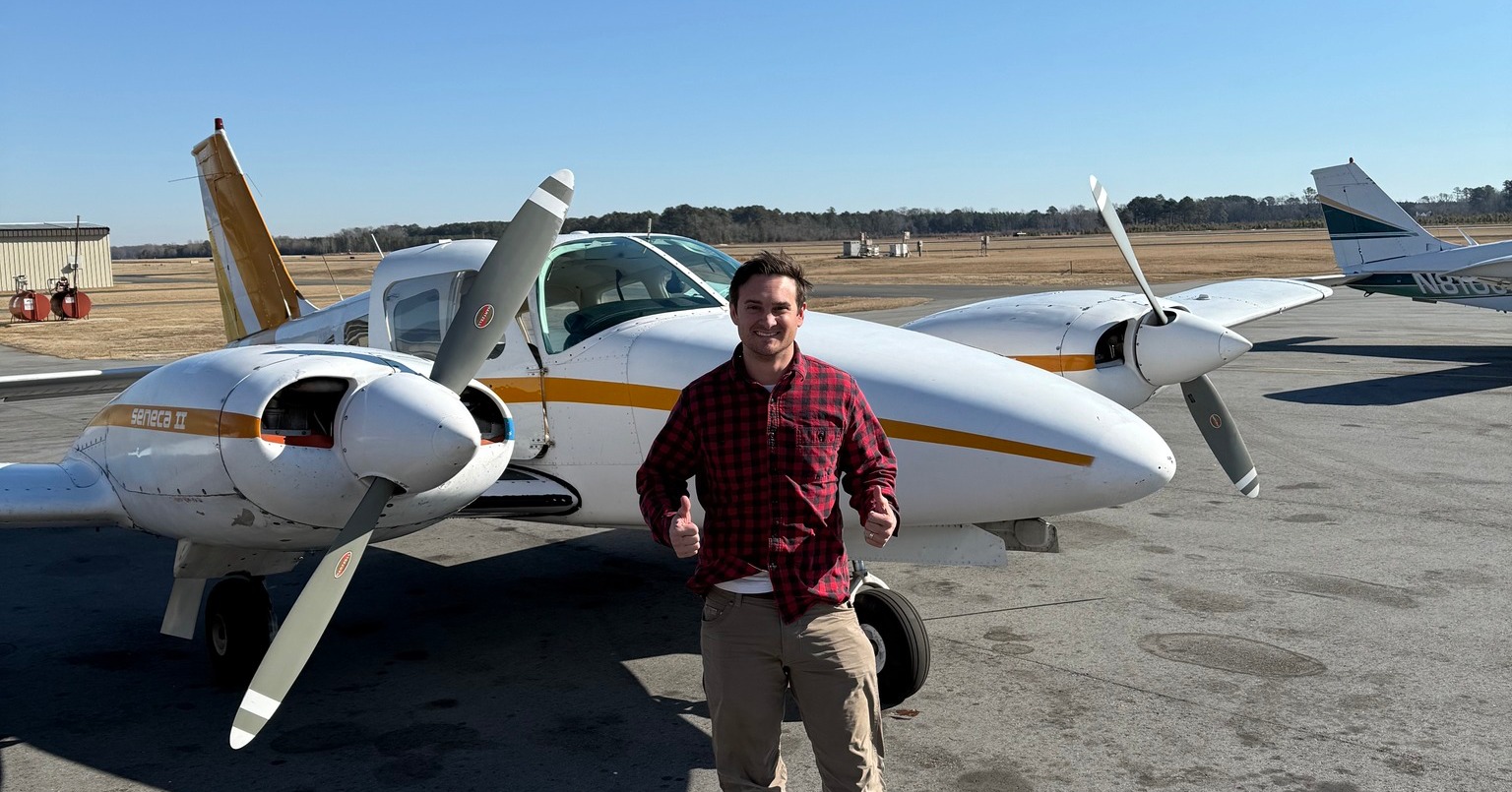
- A Dedicated Seneca Fleet: We operate a fleet of 5 turbocharged Piper Seneca II (PA-34-200T) aircraft. In fact, we fly more twin-engine aircraft than single-engine trainers. With multiple aircraft available, a single maintenance event will not derail your schedule.
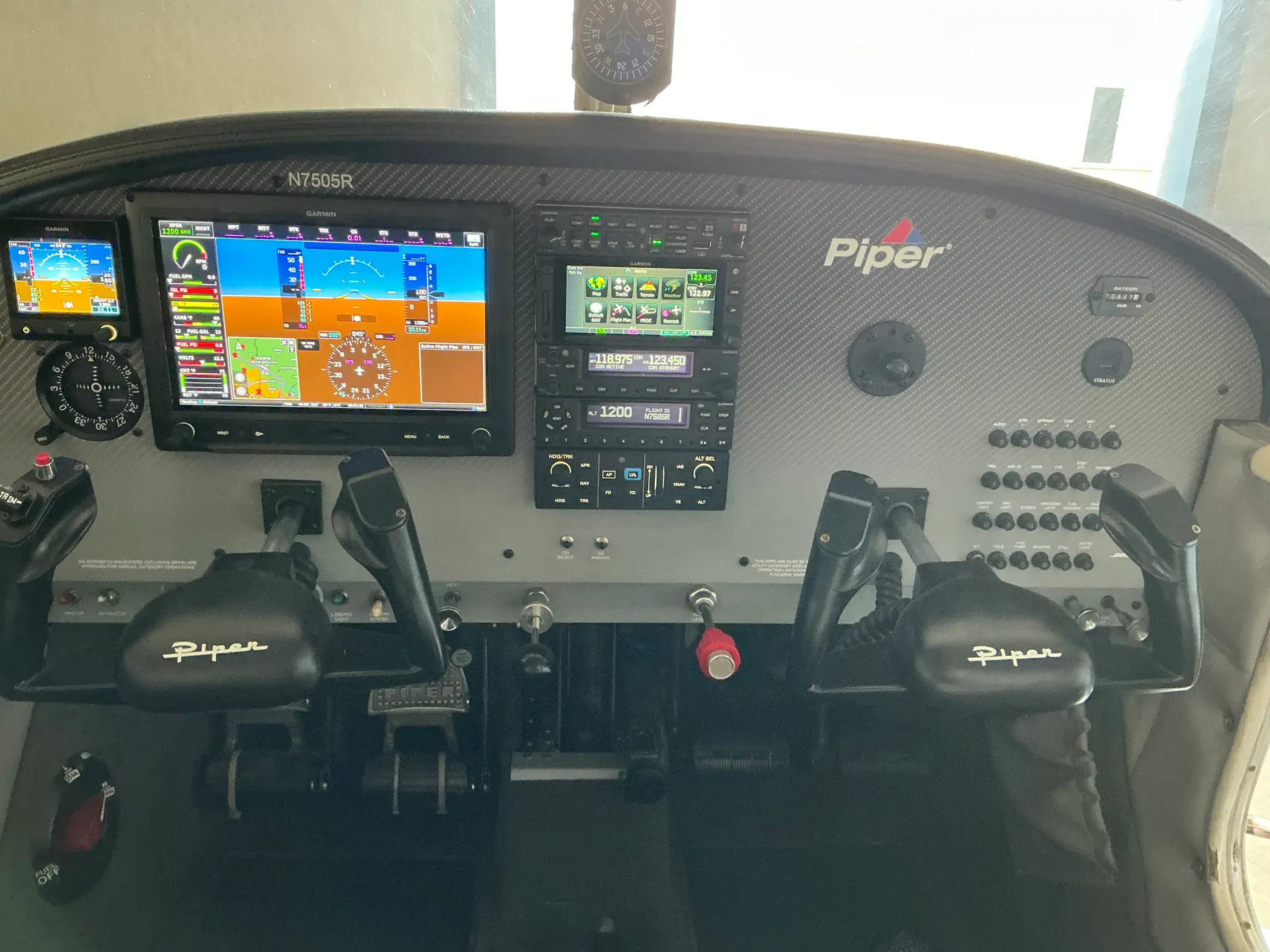
- Garmin/Aspen Avionics: Our Seneca II aircraft feature modern glass cockpits. Training with modern flight displays helps you master the systems and instrumentation you will operate when transitioning to regional airline cockpits.
- In-House DPE Access: Our leadership team includes two active Designated Pilot Examiners (DPEs). Because we have examiners on staff, we align your checkride directly with your instructor’s recommendation. You test the moment you are proficient, bypassing the standard multi-week examiner backlog. All checkrides are conducted in accordance with FAA Airman Certification Standards (ACS).
By training at a non-congested airport like Wayne Executive Jetport (KGWW), you avoid long ATC taxi queues, keeping your average taxi time under five minutes. This ensures your investment goes toward logging airtime rather than idling on the pavement. If you are planning your career timeline, you can learn more about how we structure our training by visiting the Professional Pilot Track page.
Comparing Your Multi-Engine Training Options
Choosing the right flight school is a business decision. You are investing in your speed to the airlines. Here is how a structured, fleet-supported program compares to standard multi-engine training options in 2026:
| Training Feature | Standard Flight School | M2A Aviation Academy |
|---|---|---|
| Checkride Wait Time | 3 to 8 weeks | Immediate (In-house DPEs) |
| Fleet Redundancy | 1 to 2 legacy twins | 5 Piper Seneca IIs |
| Avionics standard | Legacy round dials | Garmin/Aspen glass cockpits |
| Average Taxi Wait | 20 to 30 minutes | Under 5 minutes |
| Training Structure | Unstructured, part-time | 4 days Multi-Engine Rating course |
If you need help funding your training, flexible options are available. You can review qualifications and partner lenders on our Financing page.
Earning Your MEI to Get Paid for Multi-Engine Time
Earning your multi-engine rating is only the first step. To make yourself competitive for airline hiring, you need to log multi-engine pilot-in-command (PIC) time. The most cost-effective way to build these hours is to let someone else pay for them by working as a flight instructor.
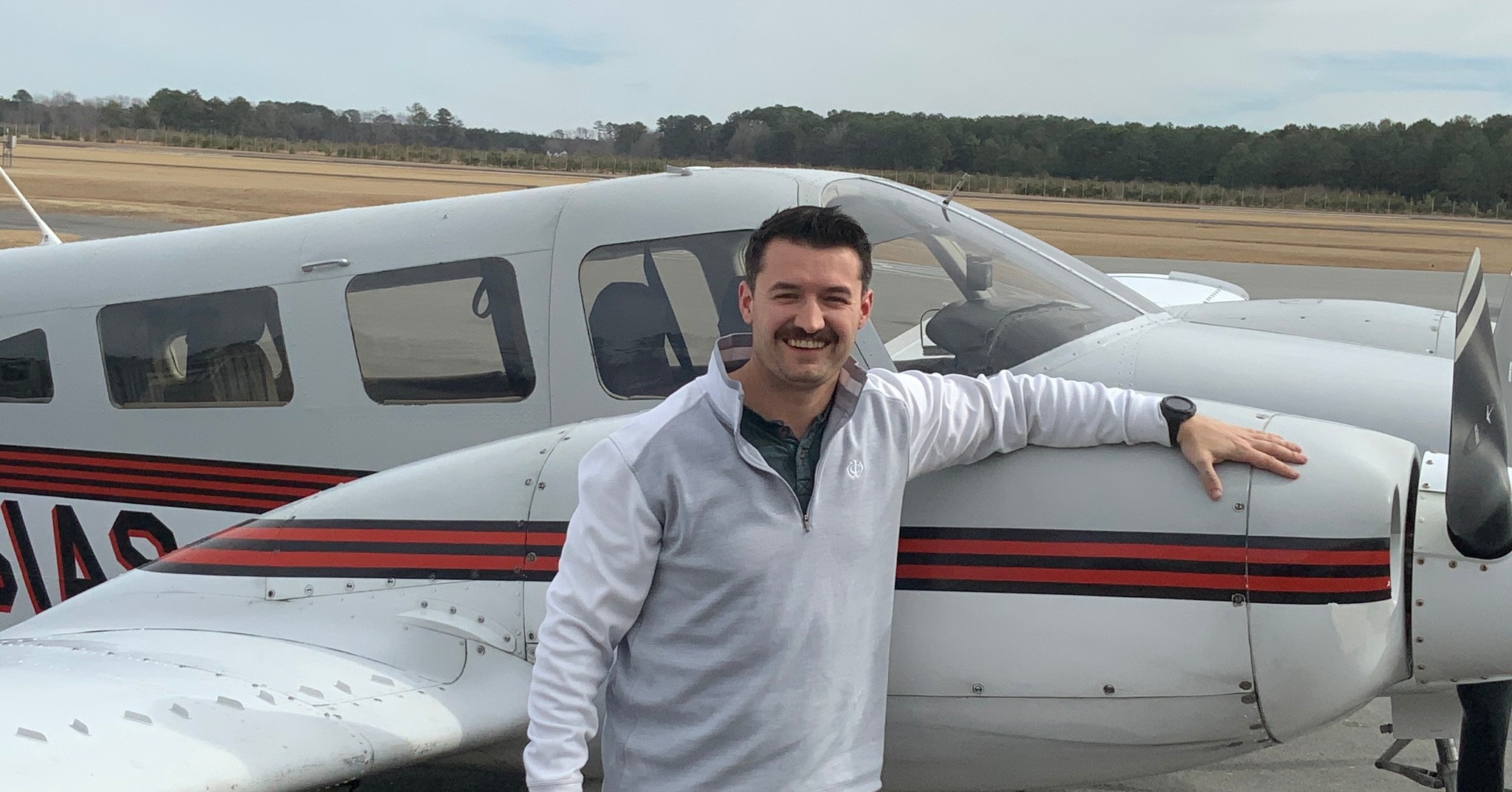
Once you hold a commercial multi-engine rating, you can add a Multi-Engine Instructor (MEI) rating to your flight instructor certificate. Earning an MEI allows you to:
- Teach multi-engine students: You build valuable twin-engine hours while providing instructional mentorship.
- Log PIC time in twins: You accumulate the specific flight hours regional airlines look for on your resume.
- Broaden your hiring potential: Instructors with MEI credentials are in high demand at flight academies nationwide.
At M2A Aviation Academy, we hand-pick top-performing flight instructors to teach in our Seneca fleet. That means your MEI path is not just about adding another rating. It helps you build disciplined multi-engine teaching experience in the same type of structured environment airlines expect. If you are ready to take the next step in your instructor career, you can review the qualifications on our Multi-Engine Instructor program page.
Frequently Asked Questions
-
Do I need a commercial pilot certificate before building multi-engine time?
You can add a multi-engine rating to a private pilot certificate, but career-track pilots typically add it to a commercial pilot certificate. This allows you to exercise commercial privileges in multi-engine aircraft and prepare for advanced roles.
-
How long does the multi-engine rating course take?
Our accelerated Multi-Engine Rating program is designed to be completed in 4 days. This structured, full-time course covers multi-engine aerodynamics, systems, single-engine maneuvers, and checkride preparation.
-
What aircraft will I fly during training?
You will train in our fleet of turbocharged Piper Seneca II aircraft. These airplanes feature Garmin/Aspen glass cockpits, retractable landing gear, and constant-speed propellers to prepare you for complex systems management.
-
How much does multi-engine training cost?
Our standalone Multi-Engine Rating course is priced at $5,000, which includes flight hours, ground instruction, and checkride preparation. For complete pricing blocks or to learn about payment options, explore our Financing page or contact our admissions team.
-
How does having in-house DPEs help me save money?
At other schools, waiting weeks for an external examiner means paying for extra proficiency flights to stay checkride-ready. Because we have Designated Pilot Examiners on staff, you schedule your checkride as soon as you reach proficiency, saving thousands of dollars in unnecessary rental costs.
-
Do I need an instrument rating before starting multi-engine training?
It is highly recommended. If you hold an instrument rating, your multi-engine checkride will include instrument maneuvers, granting you multi-engine instrument privileges. If you do not hold an instrument rating, you can review our Instrument Rating program to complete that step first.
Take Control of Your Multi-Engine Timeline
Do not let examiner shortages and small flight school fleets delay your professional pilot career. By training with a dedicated fleet of 8 glass-cockpit Piper Senecas and testing under in-house examiners, you can secure your multi-engine credentials on a predictable schedule.
Whether you need a standalone rating or a complete career path from zero experience to the airlines, we have the fleet, the instructors, and the DPE access to help you succeed.
Contact Us today to verify current scheduling availability, block rates, and start dates for your multi-engine time building.