Flight School Debt vs Reality in 2026: Airline Pilot at 21?
Published by:
CK.
Published on:
Updated on:
Read time:
9 min read
You are 18, out of high school, and serious about becoming an airline pilot. Then the loan number hits the table.
Maybe it is a six-figure flight school loan. Maybe the interest rate is high. Maybe the program sounds fast, but the housing, checkrides, and extra flights are not clear. For a parent, that can feel like signing for a small mortgage before your student has even sat in the left seat of a trainer.
Here is the honest answer: age 21 can be a planning target for some first-officer paths, but it is not a promise. You still need the right FAA certificates, a valid medical, enough flight hours, strong performance, airline hiring, and the right ATP or Restricted ATP eligibility. The plan has to survive real life.
That is why the better question is not only “how fast can I become a pilot?” The better question is: what training structure keeps you moving without burying your family in unclear debt?
At M2A Aviation Academy, our Professional Pilot Track is built for that decision. It is a full-time, career-focused program with a published $77,000 cost, training through CFI/CFII, six FAA written tests included, and affordable furnished housing options available for eligible students.
Start With The Real Goal, Not The Loan Amount
The goal is not to buy flight hours. The goal is to become employable as a pilot and keep building toward airline eligibility.
That difference matters. A student who starts at 18 usually needs a sequence that looks like this:
| Phase | What You Are Trying To Earn | Why It Matters |
|---|---|---|
| 1 | Private Pilot Certificate | You learn the base skills, radio work, pattern work, navigation, and safe command habits. |
| 2 | Instrument Rating | You learn to fly by reference to instruments and handle weather decisions with structure. |
| 3 | Commercial Pilot Certificate | You become eligible to be paid for certain pilot work when the rules and job fit. |
| 4 | Certified Flight Instructor and CFII | You can begin teaching and building time professionally if hired and qualified. |
| 5 | ATP or Restricted ATP path | You move toward airline minimums when age, hours, training, medical, and hiring all line up. |
The FAA’s normal full Airline Transport Pilot certificate path generally requires age 23. A Restricted ATP path can start at age 21 under qualifying conditions. The Federal Aviation Administration explains ATP training and Restricted ATP pathways on its ATP pilot training page, and the age rules are laid out in 14 CFR 61.153.
So yes, 21 can be part of the planning math. But the real work is getting from zero experience to commercial pilot and instructor privileges fast enough, safely enough, and clearly enough that the next step is possible.
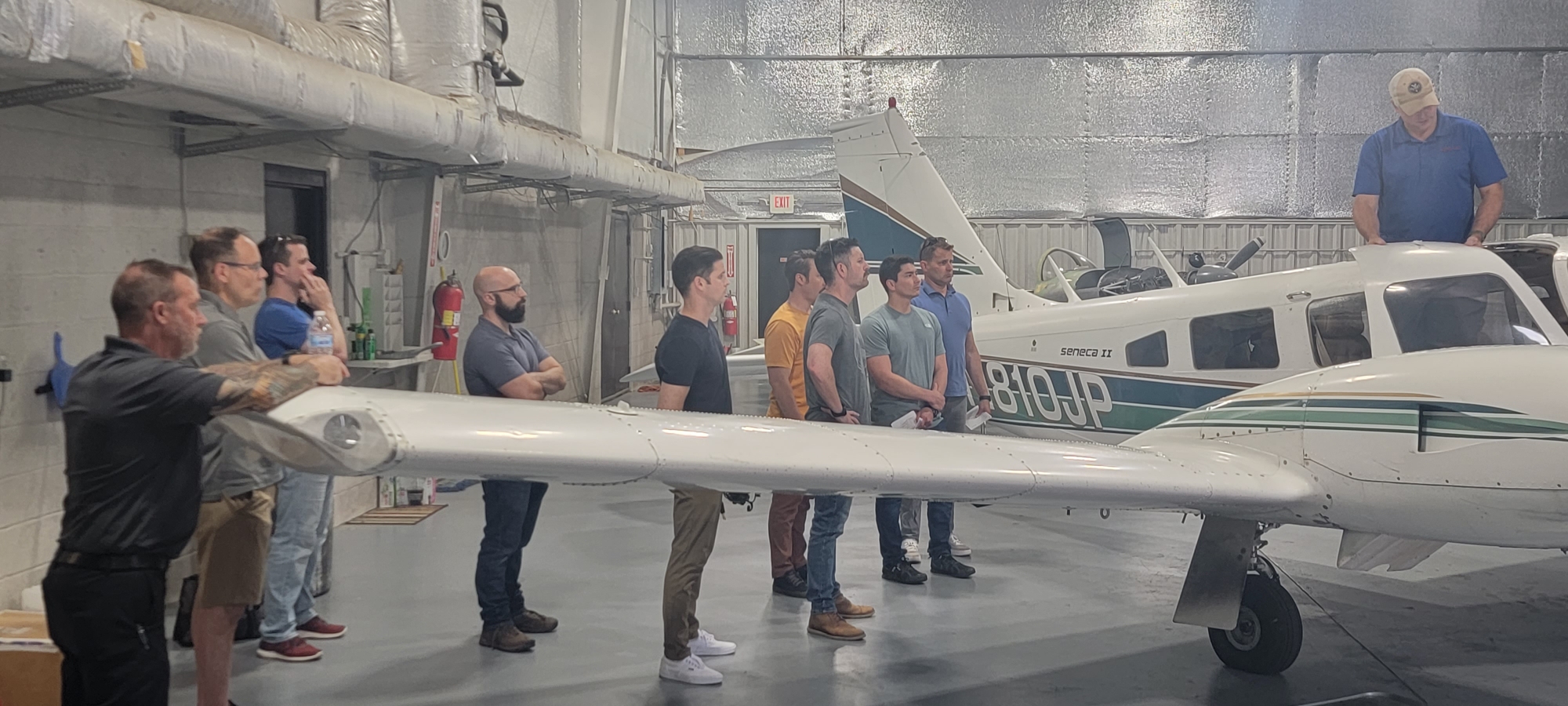
The Expensive Part Is Often The Delay, Not The Airplane
A large loan is scary. But the hidden danger is a loan tied to a weak plan.
Flight training gets expensive when you stop and restart. You finish a phase, wait for a checkride, pay for extra flights to stay sharp, lose momentum, then start the next rating cold. The airplane hourly rate may look fine, but the final cost keeps growing.
That is why a serious zero to airlines plan must answer these questions before you enroll:
- How often will you train?
- Who manages the ground academics?
- What happens when you are ready for a checkride?
- Where will you live during training?
- What is included in the published cost?
- What is not included?
Our Professional Pilot Track is designed to reduce those loose ends. The program is structured for completion in 8 months, with progression based on performance. It includes full-time Part 61 and 141 training, six FAA written tests, and flight and ground training through CFI/CFII.
That structure does not make aviation easy. It makes the path clearer.
Why The $77,000 Published Cost Changes The Debt Conversation
Some academy-style programs push students toward six-figure financing before the student and parent fully understand the total path. That does not mean every large loan is bad. It does mean you should know what the loan is buying.
At M2A, the Professional Pilot Track is published at $77,000. That cost includes:
- Full-time structured Part 61 and 141 ground and flight training
- Training through Private Pilot, Instrument, Commercial, CFI, and CFII
- Six FAA written tests: PAR, IRA, CAX, FOI, FIA, and FII
- Checkride planning built into the training sequence
- Affordable student housing options available
Compared with larger six-figure career academy paths, that can mean tens of thousands less to finance before interest ever enters the conversation. For a parent, that matters because interest does not care whether the student is delayed by weather, housing, scheduling, or weak study habits.
If financing is part of your plan, review the flight school financing options early. Loan terms, approvals, and rates can change, so the smart move is to compare the training structure and the financing terms at the same time.
Housing Can Protect Your Schedule And Your Budget
Many families compare flight schools by tuition and forget the cost of moving.
That is a mistake. A full-time student may need rent, furniture, deposits, utilities, internet, parking, and a short-term lease. If the apartment is far from the airport, every training day also starts with a commute. That steals study time, rest, and weather flexibility.
M2A offers flight school housing for eligible Professional Pilot Track students. The housing is fully furnished, with kitchen, linens, WiFi, and parking. The apartments are approximately 10 minutes from training, which keeps the student’s day centered on aviation instead of logistics.
For an 18-year-old leaving home for the first time, this removes real pressure. Your student is not trying to become a landlord, utility customer, furniture buyer, and pilot all at once. The fewer loose pieces around training, the easier it is to stay focused.
A Fast Track Only Works If The Day Has Structure
Fast track should not mean rushed. It should mean fewer wasted days.
A student who wants to become a professional pilot needs to treat training like a job. That means showing up prepared, studying daily, flying consistently, and getting corrected before small habits become expensive habits.
Our fast track pilot training guide explains this in more detail, but the core idea is simple: structure protects momentum.
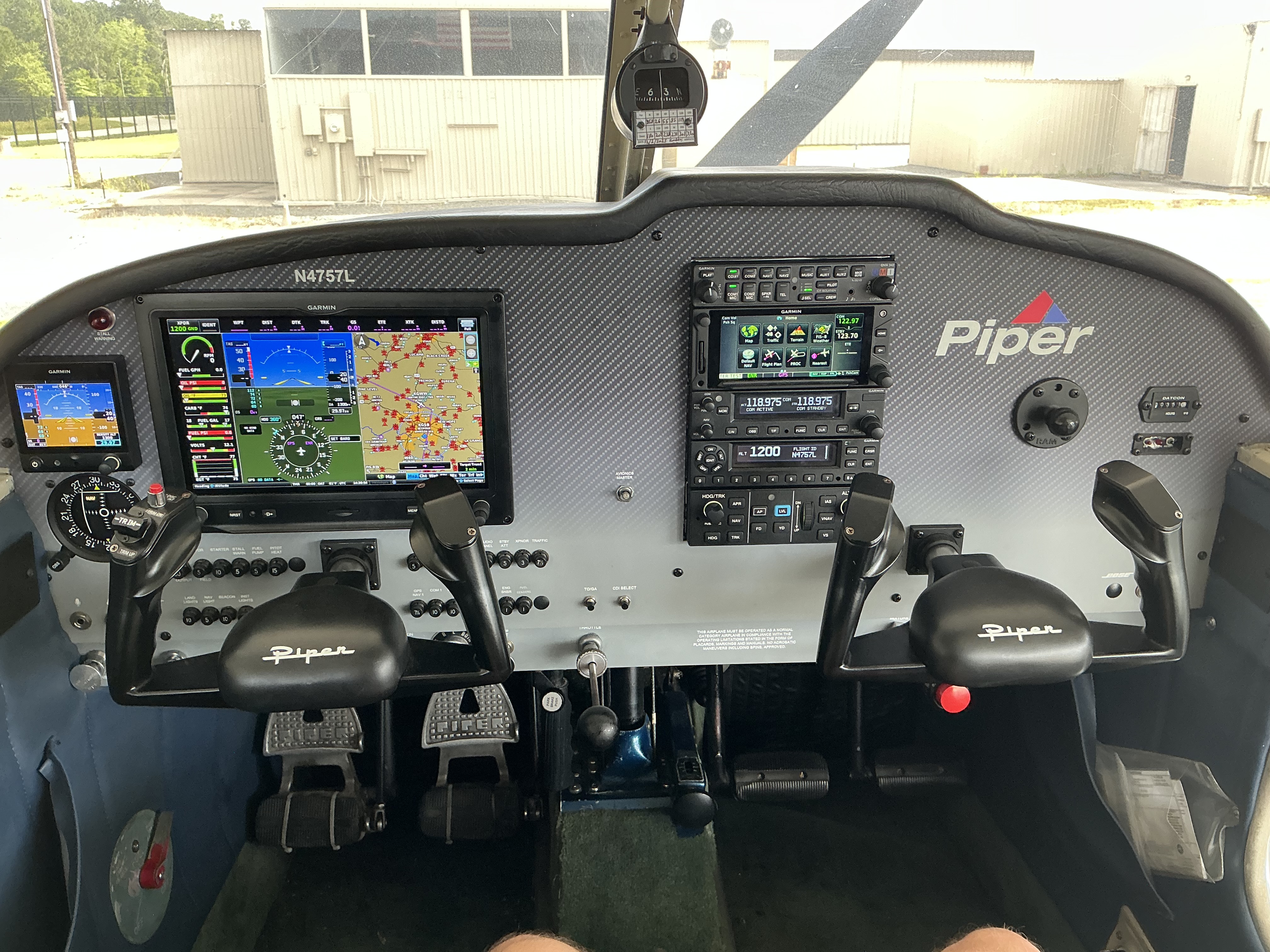
In the Professional Pilot Track, students should expect full training days, Monday through Friday. The program is built around daily preparation, ground academics, aircraft scheduling, stage checks, and checkride readiness as one connected system. Before solo, the training environment emphasizes disciplined academics and emergency procedure habits so students understand the airplane before they are trusted alone in it.
That is not the right fit for every student. If your goal is a relaxed private pilot certificate on weekends, this is the wrong program. If your goal is a professional cockpit, the full-time structure is the point.
The 18-To-21 Roadmap Must Include The Hour-Building Years
No honest airline-track plan does not end at the commercial certificate.
After you earn commercial pilot and instructor privileges, you still need to build flight time toward airline minimums. Most career-track pilots do not pay to rent every hour up to 1,500. A common path is to work as a flight instructor, if hired and qualified, and build time while teaching other students.
That is where the age-21 target becomes clearer:
| Age Range | Practical Focus | What Can Break The Plan |
|---|---|---|
| 18 | Start full-time training after high school | Weak study habits, medical issues, unclear financing, or part-time pacing |
| 18-19 | Complete certificates and ratings through CFI/CFII if performance supports the timeline | Checkride delays, inconsistent flying, failed stage checks, or housing distractions |
| 19-21 | Build hours through instructing or other eligible entry-level flying work | Hiring conditions, aircraft access, professionalism, and hour-building pace |
| 21+ | Pursue qualifying ATP or Restricted ATP path when eligible | FAA eligibility, medical, hours, training record, airline hiring, and interview performance |
This is why parents should be careful with any school that sells only the first part of the dream. You need to know how the student gets trained, how they stay housed, how they test, and how they plan to build time after training.
For the regulatory side of the hour requirement, read our guide to the 1,500-hour rule. It explains why the commercial certificate is not the same thing as airline eligibility.

How Parents Should Compare Fast Track Programs
If you are helping your student compare schools, do not start with the sales headline. Start with the risk.
Use this checklist before signing a loan:
| Question | Why It Matters |
|---|---|
| What is the published program cost? | You need to know whether the number is a complete path or a teaser price. |
| What certificates and ratings are included? | A private pilot certificate alone does not create an airline path. |
| Are FAA written tests included? | Separate testing costs can add up and slow the schedule. |
| How is housing handled? | Rent, deposits, furniture, and commuting can quietly raise the total cost. |
| How are checkrides scheduled? | Waiting weeks can force extra proficiency flights. |
| What happens if the student falls behind? | A serious program should be performance-based and clear about expectations. |
| What financing terms are being offered? | Monthly payment, APR, deferment, fees, and repayment timing matter as much as tuition. |
The best fast track programs to go from zero experience to airline pilot are not the ones with the loudest promise. They are the ones that make the whole path visible: training, housing, academics, testing, financing, hour-building, and the limits of what any school can control.
Frequently Asked Questions
Can you become an airline pilot at 21?
It can be a planning target for some students, but it depends on FAA eligibility, medical qualification, total flight time, ATP or Restricted ATP eligibility, training performance, and airline hiring. A school can help you build the training path, but no school can guarantee an airline seat by a specific birthday.
How do you become a pilot after high school?
Start by confirming you can meet FAA medical and eligibility requirements, then choose a training path. For an airline-track student, that usually means earning private pilot, instrument, commercial, and instructor privileges before building time toward airline minimums. M2A’s Professional Pilot Track is built for students who want that full-time path.
Is a $120,000 flight school loan too much?
It depends on the program, the loan terms, and what is included. The danger is not only the number. The danger is borrowing a large amount for a flight school loan with unclear housing, slow checkrides, weak scheduling, or extra costs. Compare the full training path and the financing terms before signing.
Does M2A include housing in the zero-to-airlines path?
Affordable furnished housing options are available for eligible Professional Pilot Track students. Housing availability can change, so contact M2A to confirm current start dates and housing options before making relocation plans.
What makes a fast track program safer financially?
A safer financial plan has a published cost, clear certificate sequence, written test planning, housing support, consistent training days, and a real plan for checkride readiness. It should also explain what is performance-based and what is outside the school’s control.
Choose The Path You Can Actually Finish
The right flight school plan should make your future feel clearer, not heavier.
If you are an 18-year-old student, you need structure that helps you grow up fast in the right way. If you are a parent, you need to see how the money turns into training progress, not just a bigger loan.
Start with the Professional Pilot Track. Review the $77,000 program cost, the training sequence, the housing options, and the expectations. Then contact M2A to confirm current start dates, housing availability, and financing options before you commit.