Why Do Most Student Pilots Quit in 2026? (And How to Avoid It)
Published by:
CK.
Published on:
Updated on:
Read time:
9 min read
You have a dream of flying for a major airline. You do the research, you take a discovery flight, and you feel ready to start. But there is a harsh reality in the aviation industry that nobody likes to talk about. Most people who start training never finish. If you want to succeed, you need to understand exactly why student pilots quit.
When you know the traps that cause others to fail, you can build a plan to avoid them. At M2A Aviation Academy, your success is the only priority. This guide will break down the student pilot dropout rate, explain the hurdles you will face, and show you how to structure your training so you actually reach the flight deck.
The Real Student Pilot Dropout Rate: What Percentage Make It?
If you search the internet for flight training statistics, you will likely ask: how many student pilots become airline pilots percentage? Or, what percentage of student pilots become commercial airline pilots?
The numbers are surprising. Industry data shows that only about 20% of student pilots finish training. That means 80% of people who start a private pilot program drop out before they ever earn their wings. The journey from your first flight to a commercial jet is long, and many students lose their momentum along the way.
The low success rate is rarely about a lack of flying skills. Most students do not quit because flying is too hard. They quit because the training environment works against them. They run out of money, they run out of patience, or they lose their instructor. If you want to be part of the successful 20% and are serious about finishing flight training, you must choose a school designed to remove these roadblocks.
Why Student Pilots Quit: The Hidden Traps
To beat the statistics, you need to understand the specific reasons why student pilots quit. When you know what to look for, you can ask the right questions before you hand over your tuition money.
1. The Nightmare of Checkride Delays
You study hard. You master your maneuvers. You are finally ready for your final test, known as a checkride. But then, your flight school tells you the examiner is booked. You have to wait.
The industry average wait time for a Designated Pilot Examiner (DPE) is three to eight weeks. During those weeks, you cannot just stop flying, or your skills will fade. You have to keep paying for proficiency flights. This drains your budget and destroys your motivation. Many students simply run out of money while waiting for a test date.
2. Wasted Time and Money on the Ground
Your time is valuable. In aviation, you pay by the hour. The meter in the airplane, called the Hobbs meter, runs while the engine runs.
If you train at a major, congested airport—like those in Charlotte or Raleigh—you will spend a lot of time on the ground. Students often wait 20 to 30 minutes just to get clearance to take off, idling on the runway behind large commercial jets. You are paying high hourly rates just to sit on the pavement. This burns through your training budget long before you actually log enough airtime to qualify for your certificate.
3. The Instructor Turnover Problem
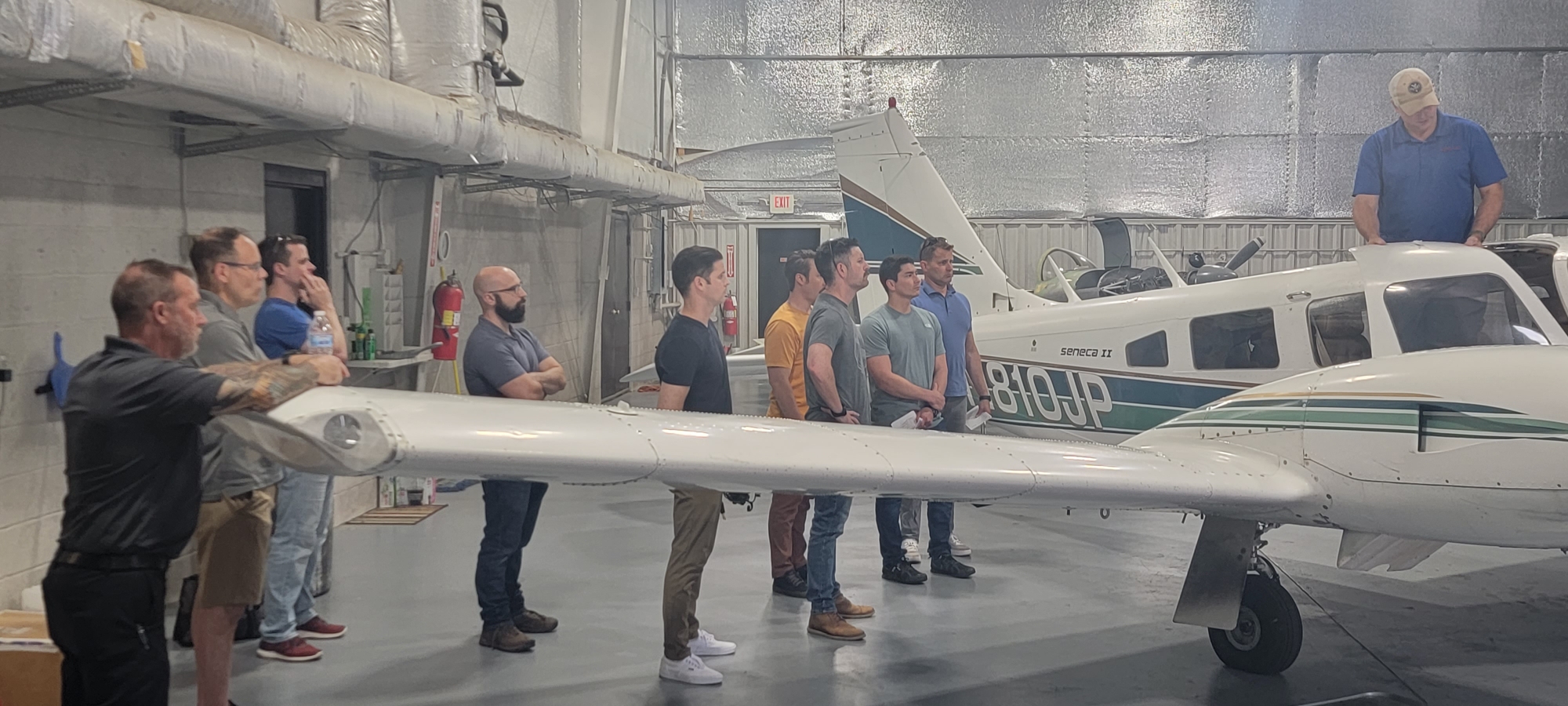
Flight instructors need 1,500 hours of flight time to qualify for an airline job. Many flight schools hire young instructors who only care about building their own hours. As soon as they hit their magic number, they leave for the airlines.
When your instructor leaves, your training stops. You have to wait for a new instructor, rebuild trust, and often repeat lessons so they can evaluate your skills. This lack of mentorship leaves students feeling lost and unsupported, causing many to walk away.
4. Broken Airplanes and Maintenance Delays
You show up for a scheduled flight, but the airplane is broken. The school has to send the plane off-site for repairs, and it takes weeks to come back. When the fleet is small or poorly maintained, your schedule falls apart. Inconsistent flying is one of the fastest ways to lose your hard-earned skills.
How to Avoid the Traps and Finish Flight Training
To guarantee you finish, you must train in a highly structured environment. The Federal Aviation Administration (FAA) offers two main paths: Part 61 and Part 141. To learn more about the formal FAA certification requirements, you can review their official guidelines.
For career pilots, a structured Part 141 syllabus is the safest bet. It condenses the standard four-to-six-year training timeline down to a focused 8 months. You follow a strict curriculum where every lesson has a distinct purpose.
Here is a quick look at how traditional training compares to a structured academy approach:
| Training Feature | Standard Flight School | M2A Aviation Academy |
|---|---|---|
| Checkride Scheduling | 3 to 8 week waitlist | Zero waitlist (In-house DPEs) |
| Taxi Wait Times | 20 to 30 minutes | Under 5 minutes |
| Instructor Experience | Low-time hour builders | Veteran airline & military pilots (10,000+ hours) |
| Ratings Timeline (Zero to CFI/CFII) | 2 to 4 years | ~8 months |
| Total Time to Airlines (1,500 Hours) | 4 to 6 years | up to 24 months |
| Maintenance | Outsourced, multi-day delays | In-house, immediate repairs |
The M2A Aviation Academy Difference
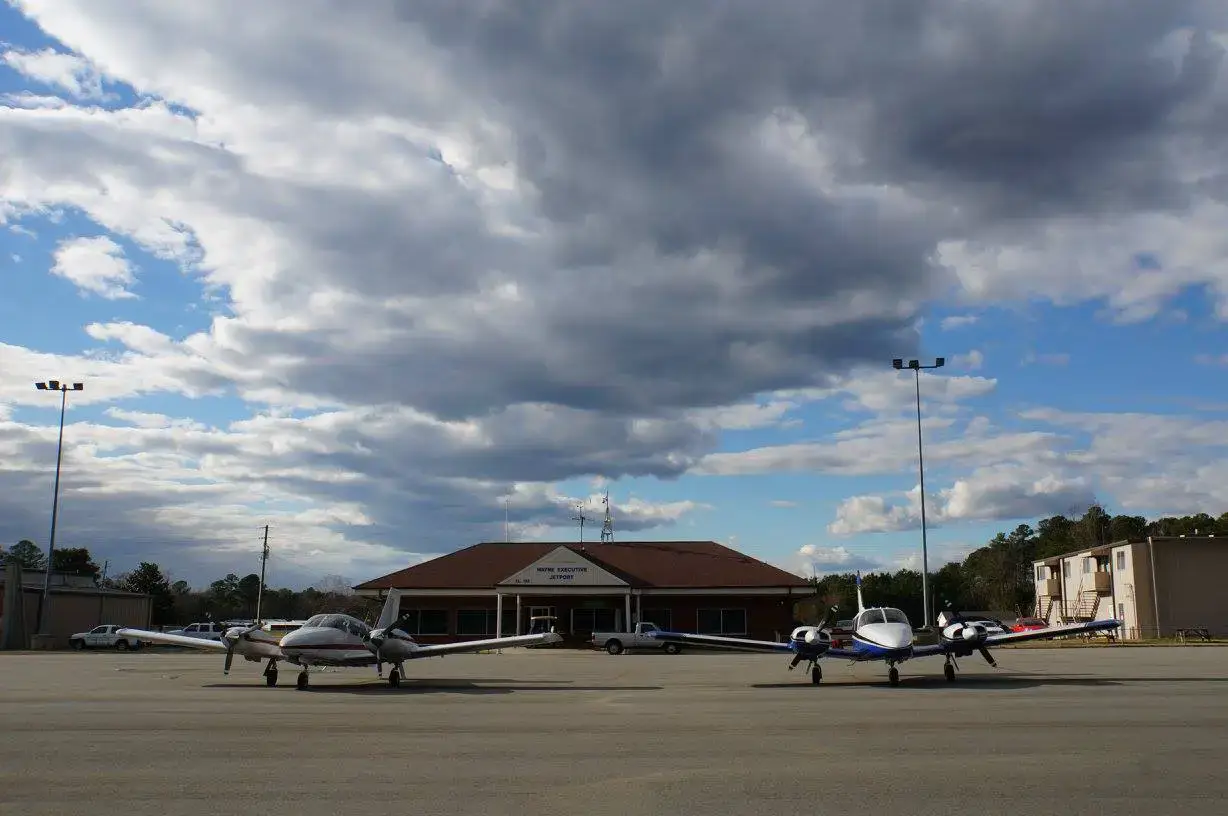
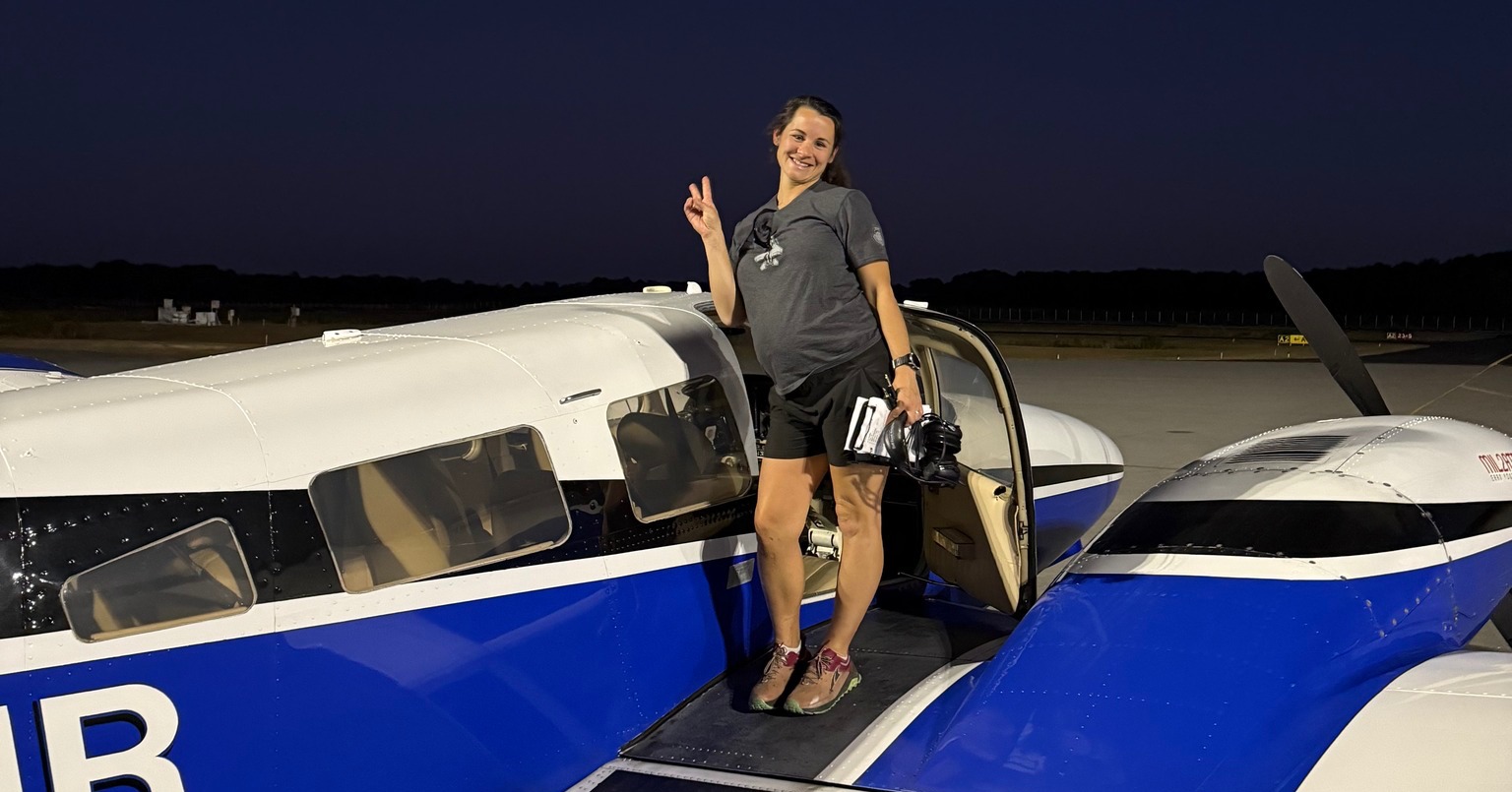
At M2A Aviation Academy, the training environment is built specifically to fix the reasons why student pilots quit. Located at the Wayne Executive Jetport (KGWW) in Pikeville, NC, the academy uses a “pay it forward” philosophy to guide you safely through your ratings.
Here is how the school sets you up for success:
Immediate Checkrides: You will never wait weeks for a test. The academy has two Designated Pilot Examiners (DPEs) on staff. When you reach proficiency, you test immediately. In fact, M2A Aviation Academy holds a 12-year track record of zero checkride cancellations due to examiner unavailability.
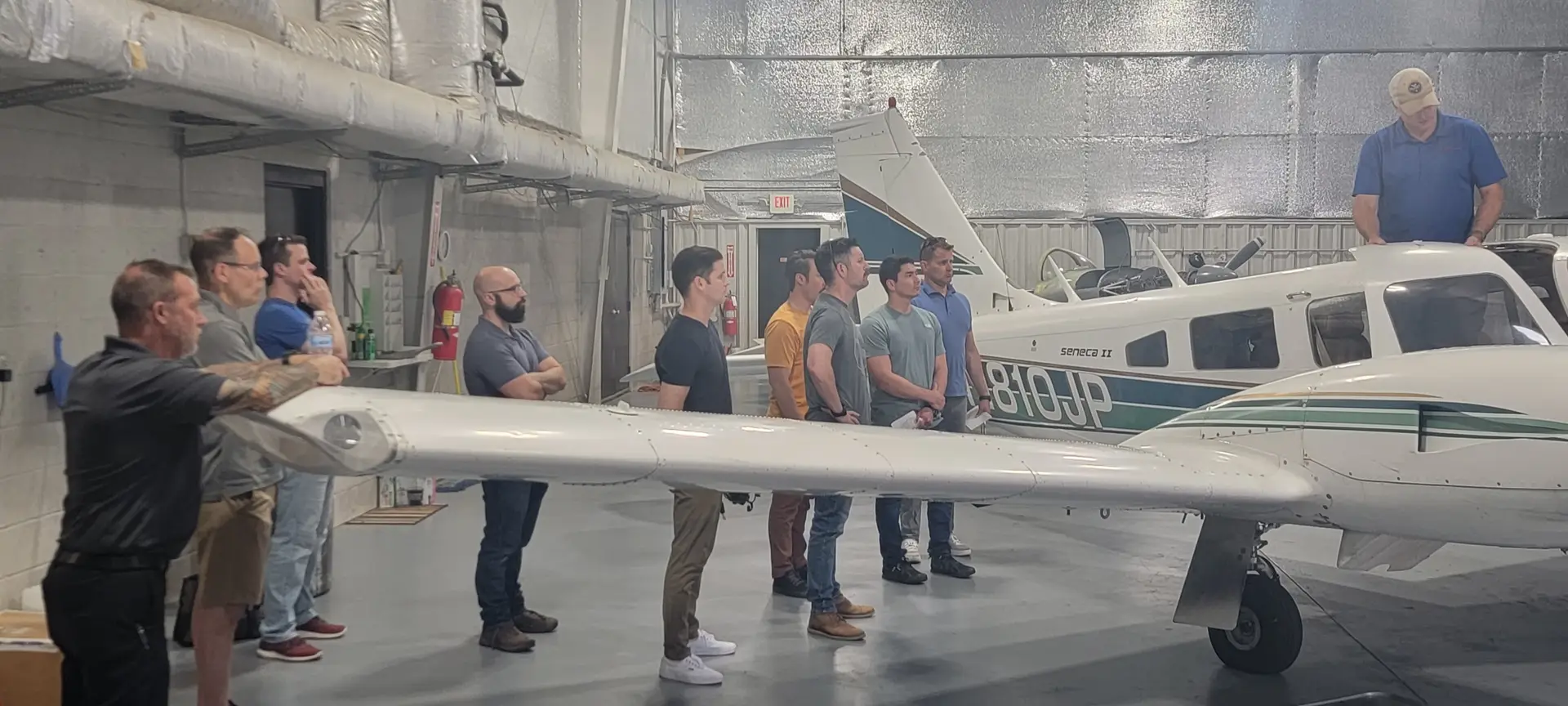
Career Mentorship, Not Just Instruction: You are taught by career veteran pilots. These are former military aviators and retired airline captains with over 10,000 flight hours. They are not trying to build their own hours to leave; they are dedicated to your mentorship and a strong “wingman” culture.
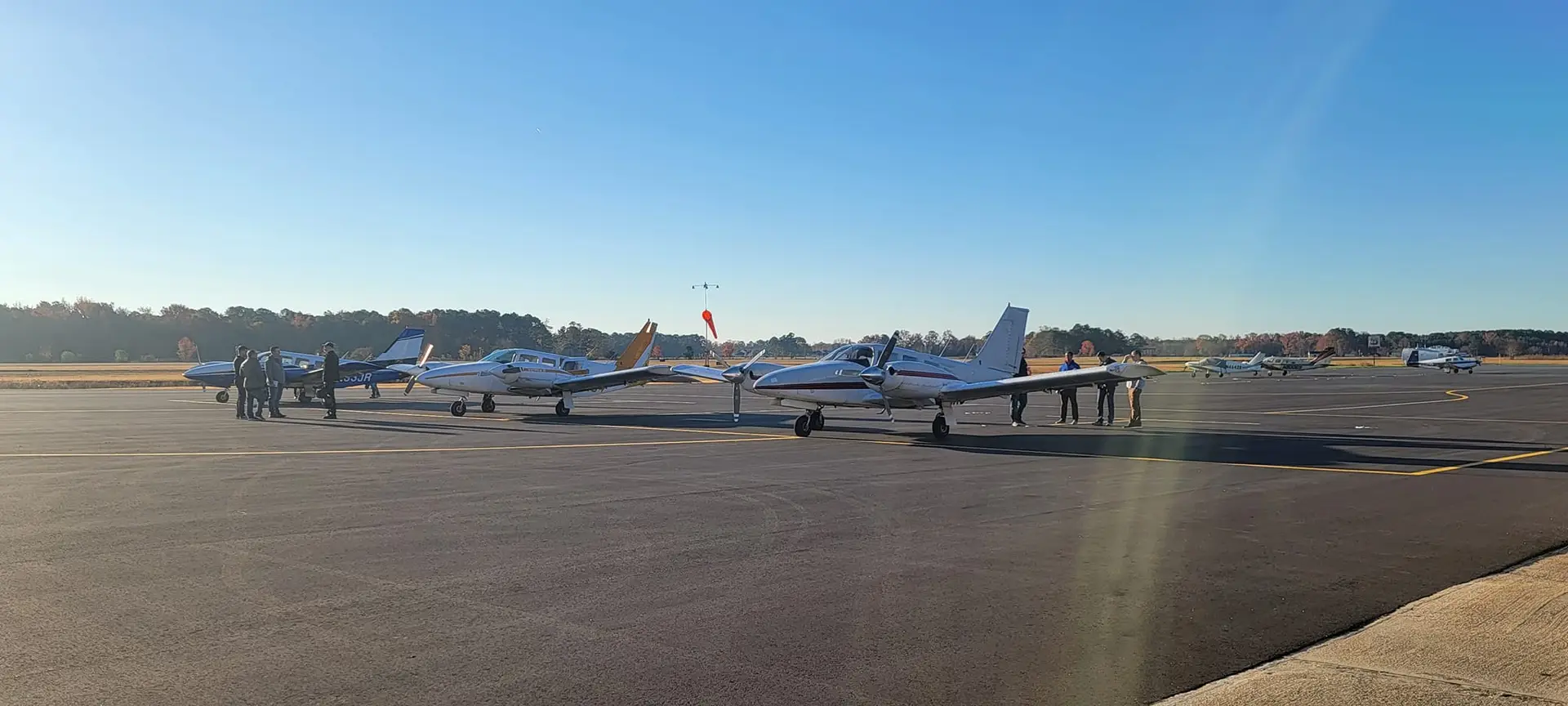
Maximum Flight Efficiency: Because Wayne Executive Jetport is a highly efficient non-towered airport, you avoid ATC taxi queues, keeping your average taxi time under five minutes. You spend your money flying, not idling on the ground, while building ATC proficiency in nearby controlled airspace during cross-country training.
Real Weather Experience: Central North Carolina provides four distinct seasons. Unlike coastal areas plagued by sudden sea-breeze fog, this climate lets you log 35 hours of actual Instrument Meteorological Conditions (IMC). You fly in real clouds, making you a vastly superior pilot when you graduate.
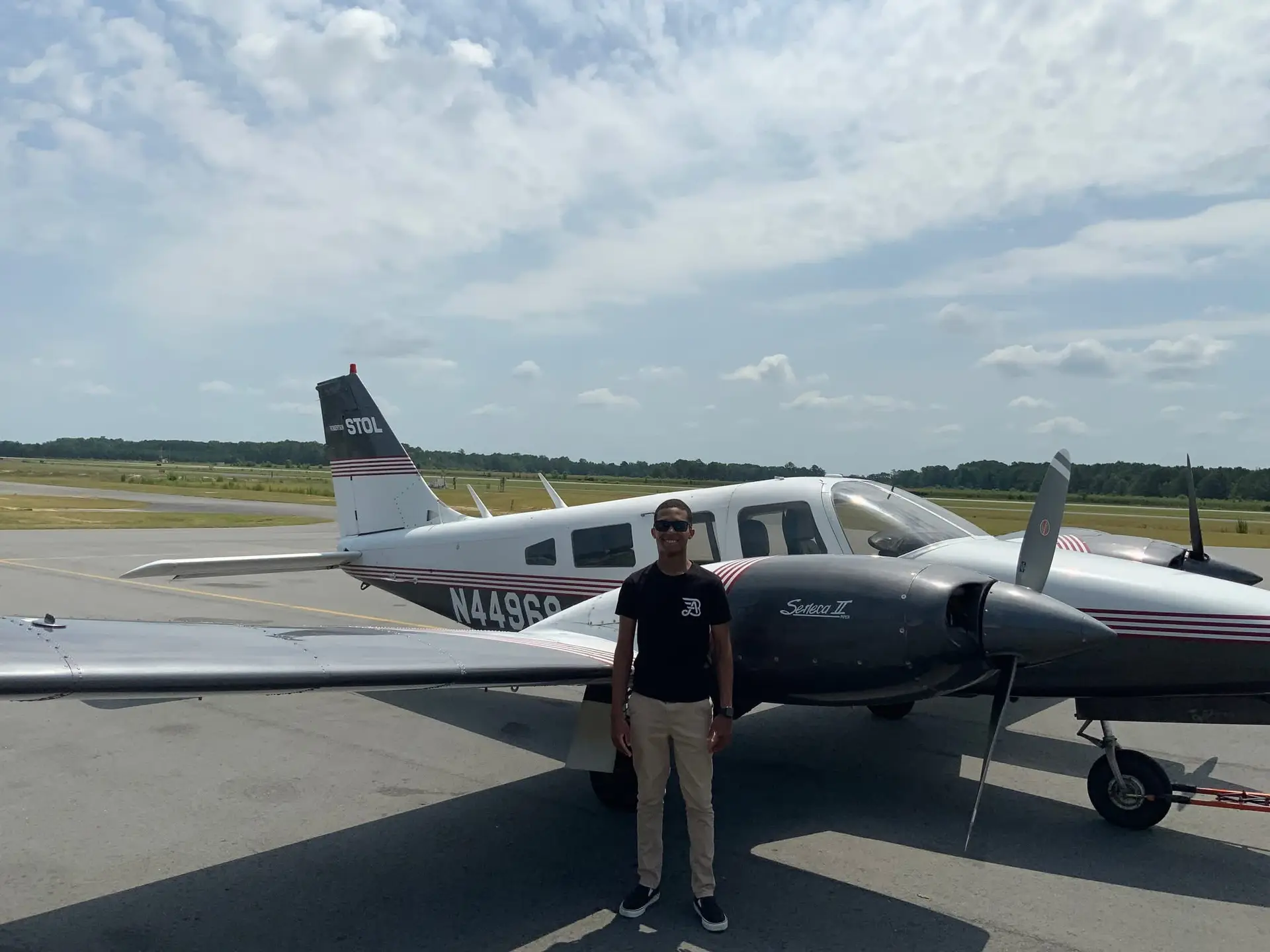
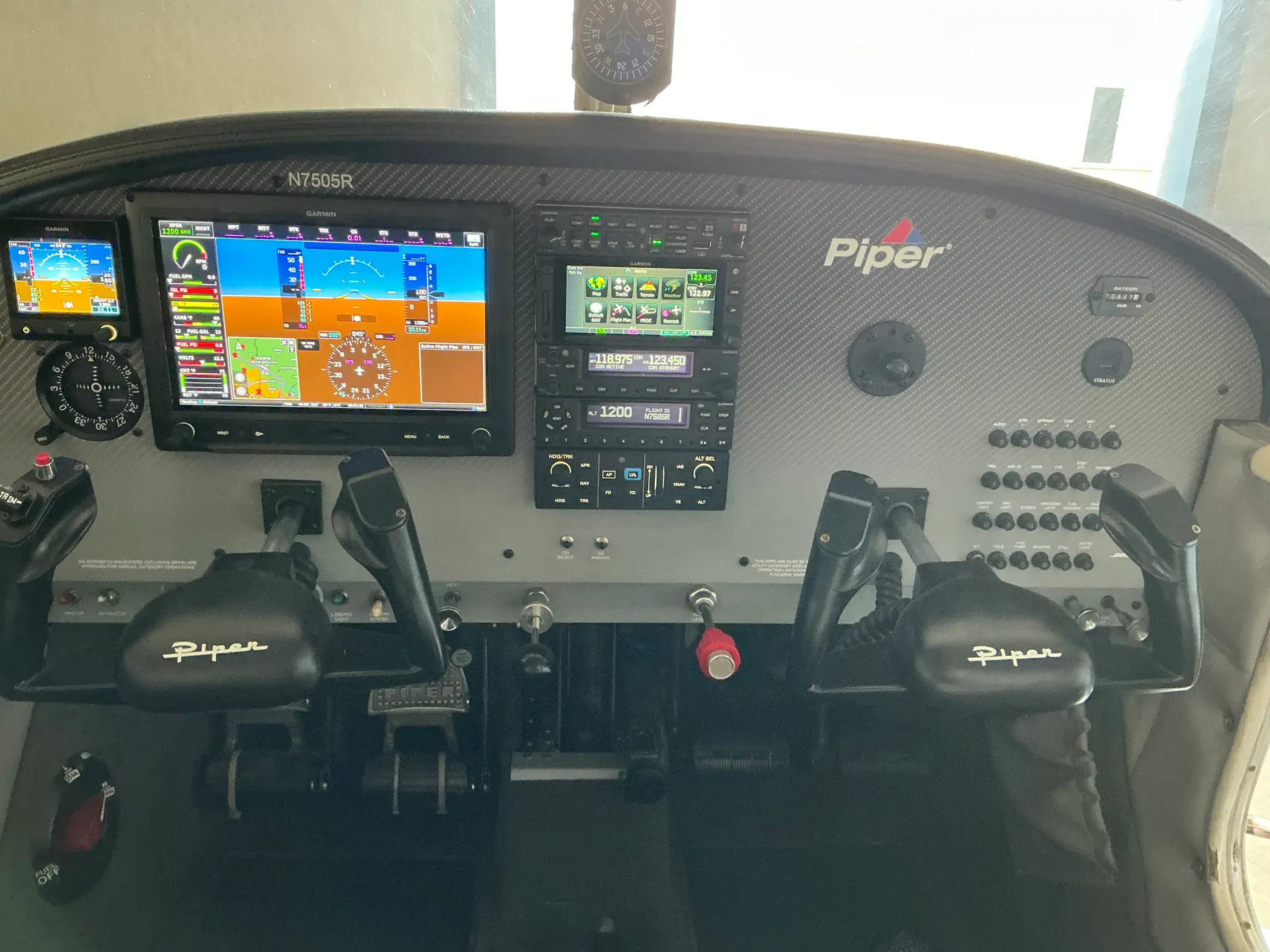
Reliable Fleet and Maintenance: The training fleet is robust, featuring single-engine Piper Cherokees and six Piper Seneca II multi-engine aircraft. They feature advanced Garmin G3X glass cockpits. Because there is a dedicated, in-house maintenance team, airplanes are fixed immediately on-site, ensuring your schedule never slips.
Financial Planning: Don’t Let Costs Ground You
Running out of money is a primary reason for the high student pilot dropout rate. Training costs can spiral out of control if you face constant delays.
You need a clear, upfront financial picture. For those seeking the ultimate career path, the Professional Pilot Track costs a flat $77,000. With affordable fully furnished on-site apartments available for a small additional fee. By living on-site, you eliminate the stress of local leases and commuting.
If you are starting smaller, you can complete your Private Pilot Certificate for $14,000 in just 9 weeks. Proper funding ensures you do not have to pause your training. Explore our dedicated Financing page to find flexible payment solutions that keep you in the air.
Frequently Asked Questions
-
Why do so many student pilots quit?
Most students drop out due to external frustrations rather than flying difficulty. The biggest factors are running out of money, waiting weeks for checkrides, dealing with broken aircraft, and losing their instructors to the airlines.
-
What percentage of student pilots become commercial airline pilots?
Industry estimates suggest that only about 20% of student pilots who begin training successfully finish all the way through their commercial ratings. Choosing a structured flight school drastically improves your chances of finishing.
-
How does M2A Aviation Academy fix checkride delays?
We have two Designated Pilot Examiners (DPEs) on staff. This completely eliminates the standard 3 to 8-week waitlist. You take your test the moment you are fully prepared.
-
Do I have to wait a long time to take off during lessons?
No. By flying out of Wayne Executive Jetport, you get maximum efficiency with taxi times under five minutes, avoiding the ground delays of a major hub, while still mastering ATC communications in nearby controlled airspace during your flights.
-
How long does it take to become an airline pilot?
Reaching the airlines requires 1,500 flight hours. Our full-time Professional Pilot Track takes about 8 months to complete all ratings from zero experience to Certified Flight Instructor (CFI/CFII). From there, you build your remaining hours as a paid flight instructor, reaching the airlines in up to 24 months total, compared to 4 to 6 years at traditional flight schools.
-
Does the school provide housing?
Yes. For students in the Professional Pilot Track, fully furnished, on-site apartments are available as affordable housing options. This removes the logistical nightmare of finding a short-term lease.
-
Who will be teaching me how to fly?
You will learn from veteran airline captains and former military pilots who have more than 10,000 flight hours. They provide true mentorship rather than just hour-building instruction.
Start Your Journey Without the Frustration
You do not have to become a negative statistic. You can avoid the traps that cause so many students to fail. When you choose a school with in-house examiners, expert instructors, and a structured syllabus, you protect your investment and your future career.
If you want to read more about student challenges, check out our deep dive on Why Most Student Pilots Drop Out of Flight Training.
You deserve a school that respects your time and your goals. M2A Aviation Academy has successfully trained over 34,000 pilots. Are you ready to join them? Take control of your aviation career today. Enroll Now to secure your spot, or reach out to us to schedule your first visit to the flight line.