Multi-Engine Rating in North Carolina: 2026 Course Guide
Published by:
CK.
Published on:
Updated on:
Read time:
10 min read
Most pilots add the multi-engine rating and assume it is just another logbook entry. In practice, it is the step that separates pilots who can fly in any conditions from pilots who are limited to single-engine aircraft, and it is one of the most direct ways to make yourself competitive for regional airline hiring in 2026.
This guide covers what multi-engine flight training in North Carolina actually looks like: the aircraft you fly, what a structured 4-day course covers, how the checkride works, and the specific reasons a large turbocharged Seneca fleet changes the training experience. If you are comparing your options for a multi-engine rating course in 2026, here is what to look for before you commit.
Who Actually Needs a Multi-Engine Rating in 2026?
The multi-engine rating, formally the Multi-Engine Airplane Land (AMEL) add-on, is required before you can act as pilot-in-command of any airplane with more than one engine. For career pilots, that means three things:
- Airline hiring. Regional and major airlines all fly multi-engine turbine aircraft. Applicants with multi-engine time are more competitive from day one.
- Charter and Part 135 work. Many entry-level commercial flying jobs, such as charter, cargo, and air taxi work, require multi-engine certification.
- Time building. Multi-engine hours log differently than single-engine time and are weighted more heavily in many hiring evaluations.
The rating is also a prerequisite for the Multi-Engine Instructor (MEI) certificate. If your goal is to build time while teaching, one of the most common airline-entry strategies, you need the multi-engine rating first.
What Aircraft You Train In: The Piper Seneca II
The aircraft you train in for your multi-engine rating matters more than most students realize. Flying in a single-engine Cessna-style trainer for multi-engine instruction is not the same experience as flying a real, complex twin.
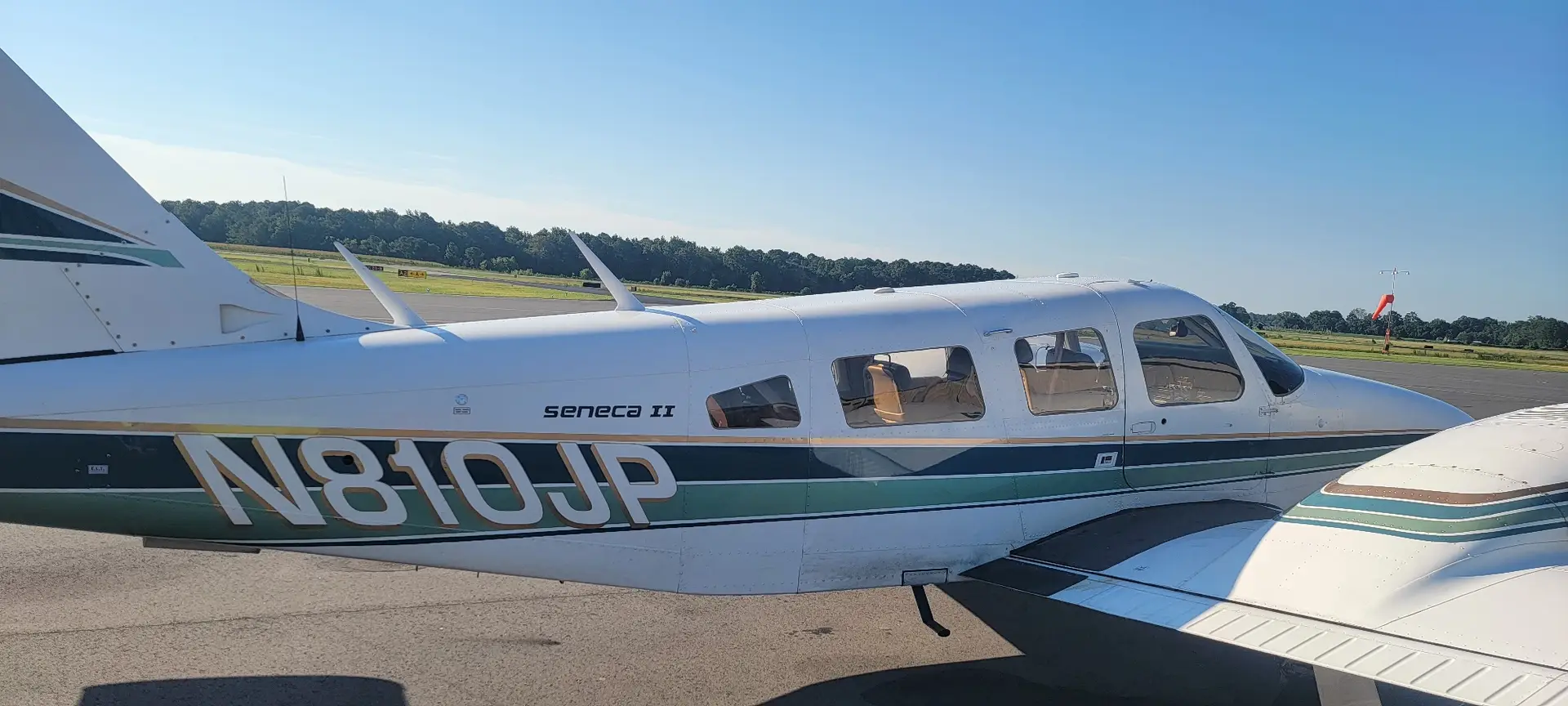
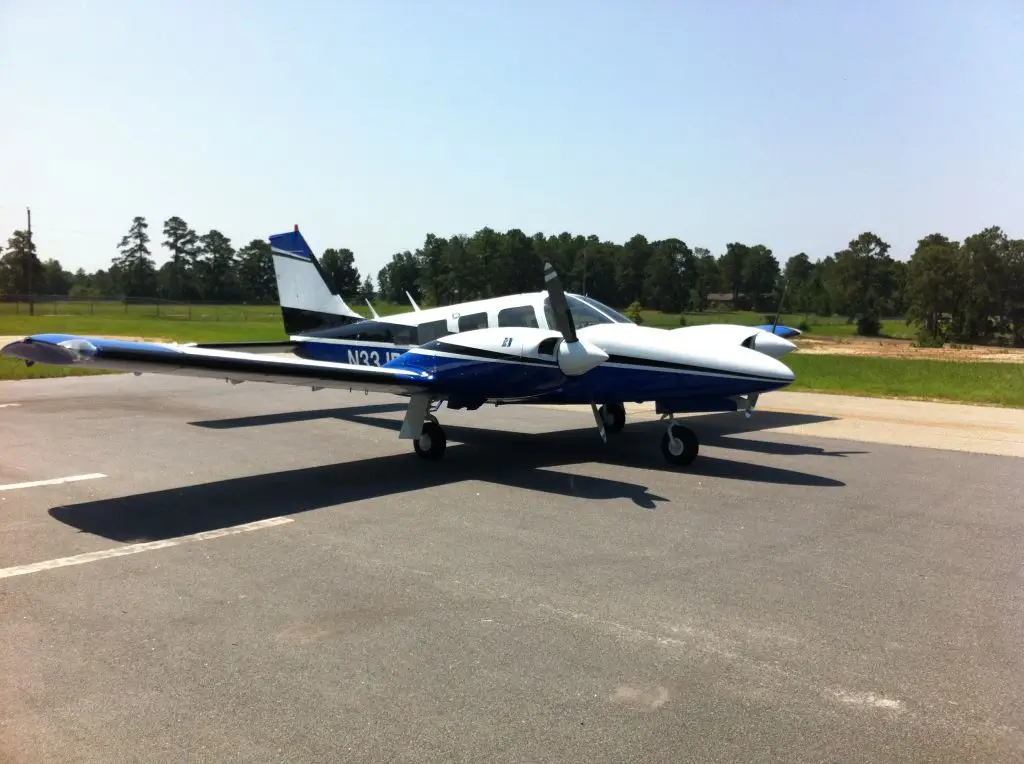
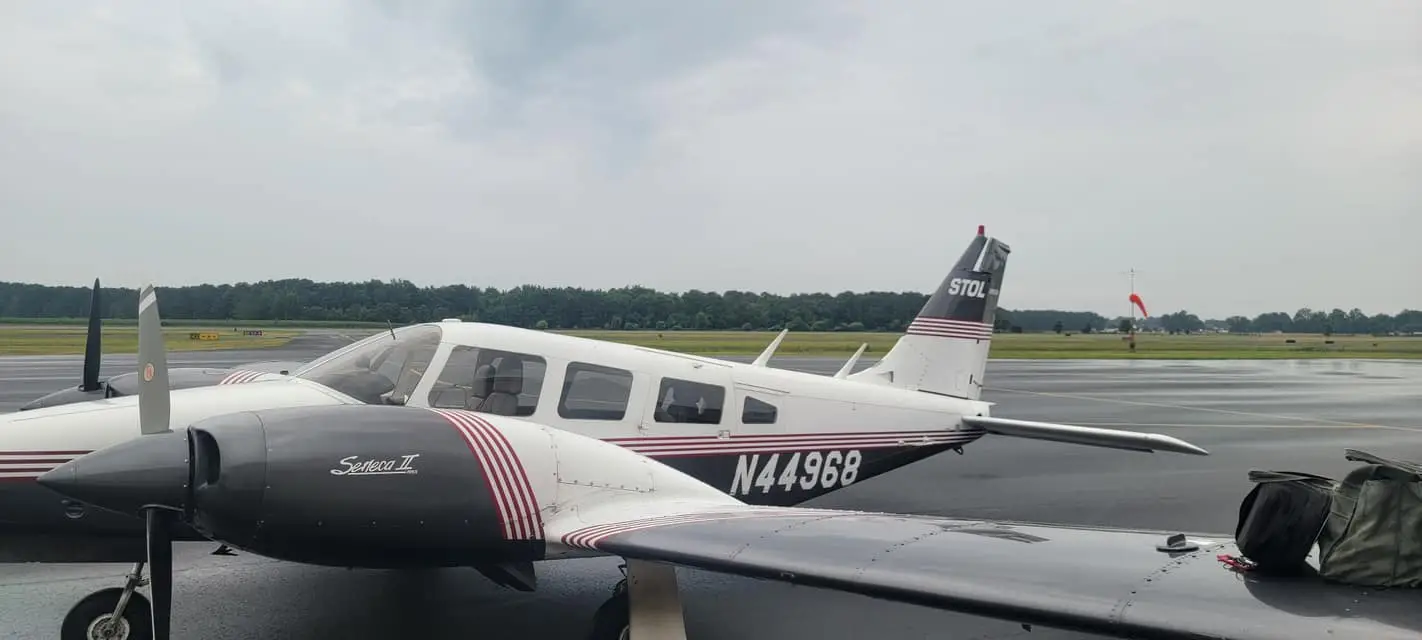
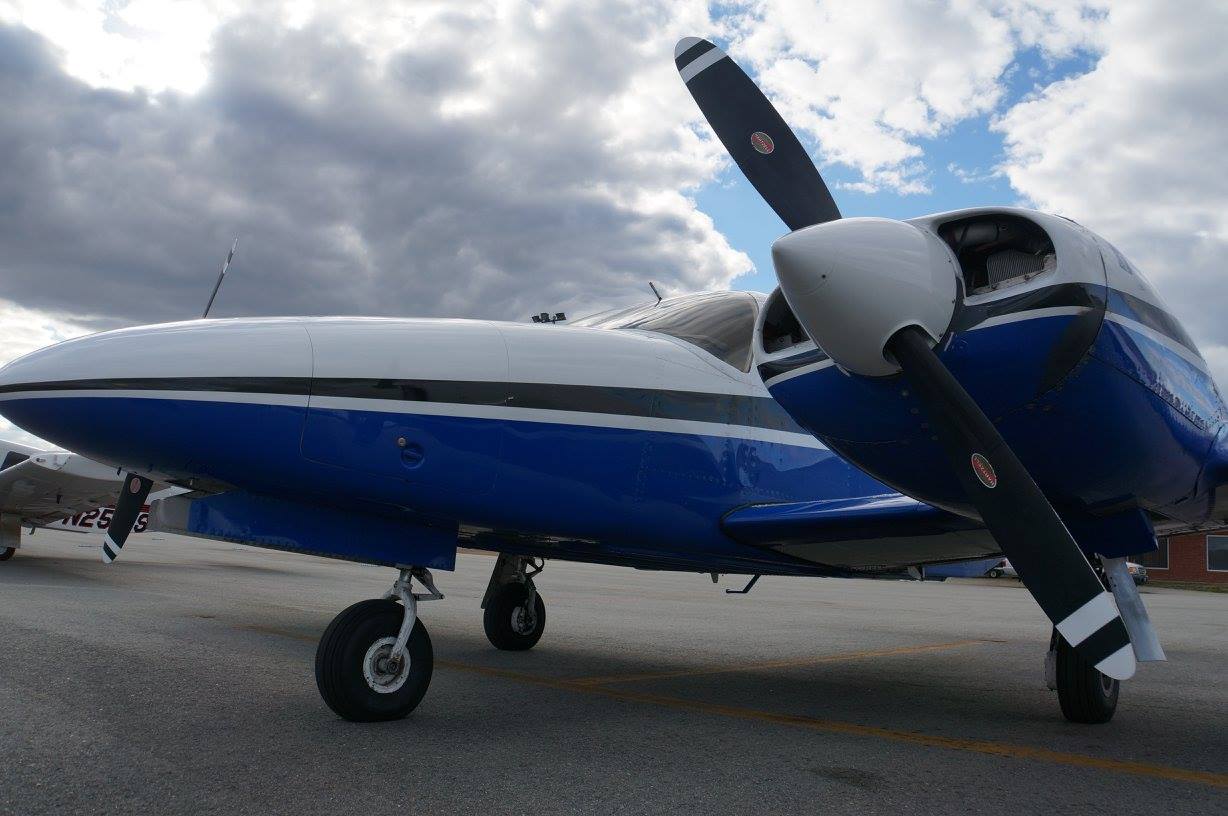
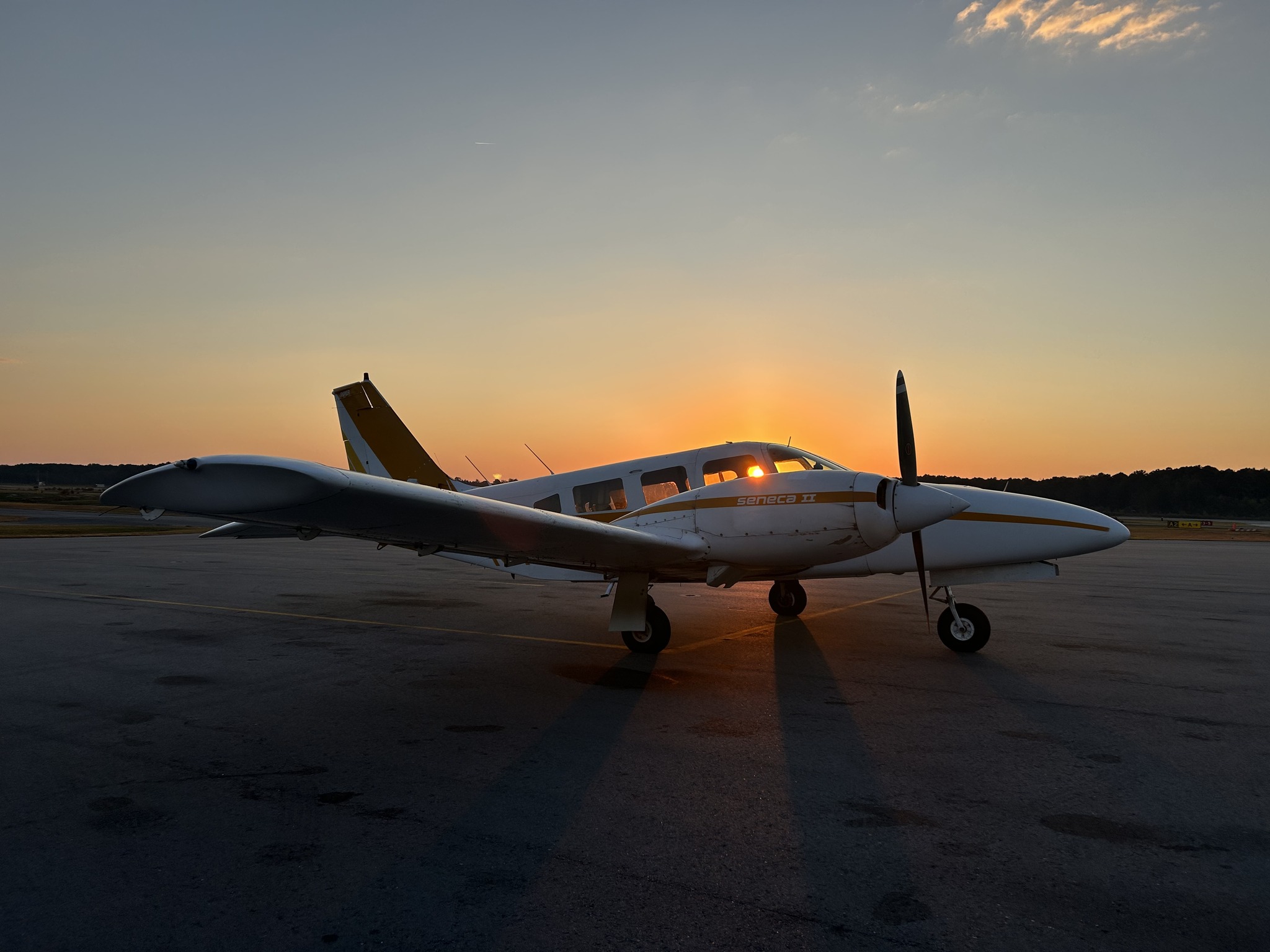
M2A’s multi-engine program uses a fleet of 6 turbocharged Piper Seneca IIs (PA-34-200T). Here is why that fleet is relevant to your training outcome:
Turbocharged. The Seneca II uses turbocharged engines, which means you practice engine management, manifold pressure, and performance planning in a real-world format — not a simplified training environment.
Complex and high-performance. The Seneca II is a retractable-gear, constant-speed propeller airplane. Mastering it builds the systems knowledge that will directly translate when you move into turbine aircraft as a professional pilot.
Glass cockpit avionics. M2A’s fleet is equipped with modern Garmin and Aspen avionics. Airline cockpits are glass cockpits. Training in a glass environment from the start gives you familiarity with the exact type of interface you will use professionally.
Fleet size. Six aircraft means scheduling flexibility. At schools with one or two multi-engine trainers, one maintenance event can push your training schedule back by days. With six Senecas and an in-house maintenance team, the program keeps moving.
Browse the aircraft page to see M2A’s full fleet, including detailed specs on each Seneca II in the lineup.
How an Accelerated Multi-Engine Rating Course Works in 2026
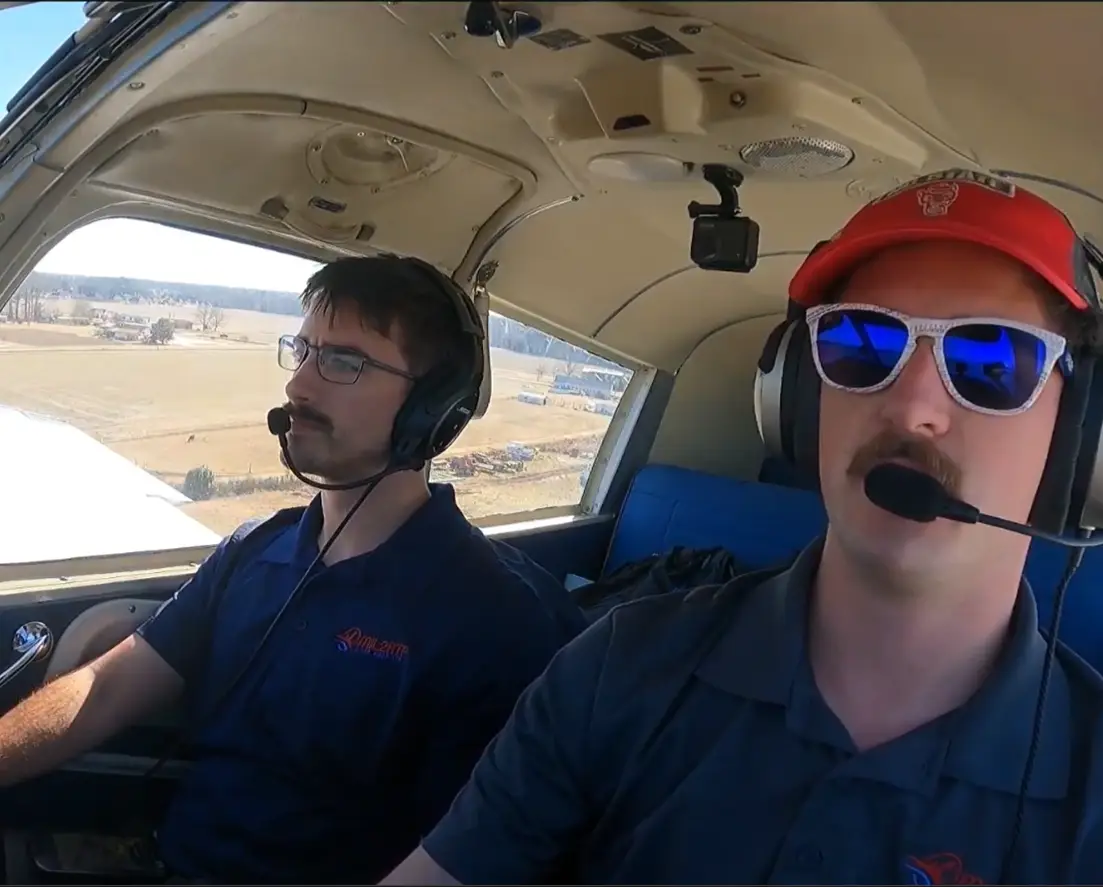
The Multi-Engine Rating course at M2A is 4 days of full-time training. That timeline assumes you arrive current, proficient, and holding a commercial pilot certificate or higher. The accelerated format is not a shortcut; it is a compressed schedule that requires your full daily commitment. In 2026, full-time programs like this are the standard choice for career-track pilots who cannot afford to stretch a 4-day rating into a 3-month part-time process.
The 4-day multi-engine course covers:
Ground instruction. Multi-engine aerodynamics, engine-out performance, VMC (velocity of minimum control), critical engine theory, systems limitations, and emergency procedures. You will need to know these cold before the checkride.
Normal and abnormal operations. Multi-engine takeoffs, climbs, cruise, descents, approaches, and landings. Gear operation, cowl flaps, mixture management, and proper engine shutdown and restart procedures.
Engine-out proficiency. This is the core of multi-engine training. You practice identifying a failed engine, securing it, maintaining directional control, and flying a safe approach and landing with asymmetric thrust. Checkride examiners will test this directly.
Instrument approaches in a multi-engine aircraft. If you hold an instrument rating, you will practice and demonstrate IFR procedures in the Seneca II. Multi-engine instrument work is evaluated as part of the practical test.
Checkride preparation. The final day focuses on polishing the maneuvers and oral knowledge that will come up in the practical test.
Multi-Engine Checkride Prep: What the Practical Test Covers
The multi-engine checkride is a two-part practical test: an oral examination and a flight test. Both are evaluated against the FAA’s Airman Certification Standards (ACS).
Oral topics the examiner will cover:
- VMC — what it is, how it is determined, and how weather conditions affect it
- Engine failure identification, analysis, and the memory items (“identify, verify, feather”)
- Single-engine performance, climb gradients, and service ceiling
- Weight and balance in the multi-engine context
- Systems: fuel, electrical, hydraulic, pressurization (on applicable aircraft), and emergency equipment
Flight test maneuvers:
- Engine-out procedures during takeoff roll and initial climb
- Feathering and unfeathering a propeller (on aircraft equipped for it)
- Single-engine approach and landing with a simulated engine failure at various points
- Steep turns, stall recognition, and basic maneuvers in the multi-engine context
- Instrument approaches (if instrument-rated)
At M2A, the practical test is administered by one of two Designated Pilot Examiners on staff. This matters because the same standardized training environment that prepares you is the one the DPE knows. There is no adjustment period, no mismatch between your training curriculum and the examiner’s expectations.
Across the industry, students at other schools can finish their multi-engine training and then wait 3 to 8 weeks for an available examiner. During that wait, they pay for proficiency flights — flights that maintain readiness but add no new certificate or rating. M2A eliminates that gap.
M2A vs. Other Multi-Engine Flight Schools in 2026: A Direct Comparison
Not every multi-engine program is built equally. Here is a side-by-side comparison of the factors that shape your actual outcome.
| Factor | Typical Multi-Engine School | M2A Aviation Academy |
|---|---|---|
| Course length | 1–2 weeks (often unstructured) | 4 days, structured syllabus |
| Program cost | $9,000–$12,000 | $5,000 |
| Fleet size | 1–3 multi-engine aircraft | 6 turbocharged Piper Seneca IIs |
| Avionics | Legacy round-dial or partial glass | Garmin and Aspen glass cockpits |
| Examiner access | 3–8 week average wait | Two in-house DPEs |
| Maintenance | Often outsourced | Dedicated in-house team |
| Best fit | Flexible scheduling, lower volume | Structured timeline |
The key difference is not just price: it is fleet reliability, examiner access, and the quality of the aircraft you train in. A cheaper program on a dated airplane with a long examiner waitlist can end up costing more by the time you factor in extra proficiency flights and lost time.
Frequently Asked Questions
-
Do I need a commercial pilot certificate before getting a multi-engine rating?
No — you can add a multi-engine rating to a private pilot certificate. However, most career-track students add it at the commercial level because that is when multi-engine time becomes most valuable for airline hiring.
-
How long does the multi-engine rating take at an accelerated school?
At M2A, the multi-engine rating course is 4 days. That assumes you arrive current and proficient. The course is full-time, Monday through Friday, and covers ground instruction, flight training, and checkride preparation.
-
What aircraft will I fly in multi-engine training?
At M2A, you train in turbocharged Piper Seneca IIs (PA-34-200T) with Garmin and Aspen glass cockpit avionics. The fleet has 6 aircraft, which means scheduling flexibility and minimal downtime from maintenance.
-
How much does a multi-engine rating cost in 2026?
At M2A, the Multi-Engine Rating is $5,000. The national market range at other schools in 2026 typically runs from $9,000 to $12,000 when aircraft, instructor time, and checkride fees are priced separately. Visit the financing page for payment options.
-
How is the checkride scheduled at M2A?
M2A has two Designated Pilot Examiners on staff. Checkrides are scheduled as part of the training flow, not after a 3-to-8-week external wait. This eliminates the proficiency maintenance flights that add cost when examiners are booked out weeks in advance.
-
Do I need an instrument rating before doing multi-engine training?
No, but holding one strengthens your practical test. If you are instrument-rated, the multi-engine checkride will include evaluation of instrument procedures in the twin-engine environment. Most career pilots pursue the instrument rating before the multi-engine add-on.
Ready to Add Your Multi-Engine Rating?
The multi-engine rating takes 4 days. At the end of it, you hold a certificate that opens doors to charter flying, entry-level commercial roles, and instructor credentials that pay you to build time.
At M2A, you fly 6 turbocharged Piper Senecas with glass cockpit avionics, train under standardized senior instructors, and take your checkride through one of two in-house DPEs.
Review the full Multi-Engine Rating program or explore the complete aircraft fleet to see what you will be flying. If you are ready to enroll or have scheduling questions, reach out on the contact page.