Pilot Training Cost in North Carolina 2026 Guide
Published by:
CK.
Published on:
Updated on:
Read time:
9 min read
Pilot training cost in North Carolina in 2026 is not just an hourly airplane rate. The real number includes flight and ground training, written exams, checkrides, housing, aircraft availability, weather, examiner access, and the time it takes to reach a job-ready certificate path.
That is why two schools can advertise similar hourly rates and still produce very different final costs. One program may keep you moving through each rating. Another may leave you paying for extra proficiency flights while you wait on aircraft maintenance, housing logistics, or a checkride date.
At M2A Aviation Academy, we focus on the total investment. Our Professional Pilot Track costs $77,000 and includes six FAA written tests and structured flight and ground training through CFI/CFII. In this guide, you will see how those items can help reduce the hidden costs that make pilot training more expensive than the advertised rate. We will break down real completion costs, housing, written exams, checkrides, aircraft delays, and the budget traps that can turn a cheaper-looking program into a more expensive path.
Pilot Training Cost Breakdown in 2026
The first step is separating required training costs from the delay costs that show up when a program is not built for full-time progress.
| Cost Area | What It Covers | Why It Changes the Final Price |
|---|---|---|
| Training | Aircraft, instructor time, ground instruction, syllabus flights, stage checks, and rating progression | Infrequent flying, weak structure, or repeated lessons can raise the real cost even when the hourly rate looks low |
| Checkrides | Practical tests, examiner scheduling, aircraft use for the test, and retest preparation if needed | Long examiner waits can force extra proficiency flights before the actual checkride |
| Written Exams | FAA knowledge tests for certificates and ratings | Some programs include written tests, while others bill them separately |
| Housing | Rent, utilities, furnishings, deposits, commuting, and short-term lease risk | Moving for flight school can add thousands if housing is not included or located close to the airport |
| Aircraft Delays | Downtime from maintenance, fleet size limits, and aircraft substitutions | A low rental rate does not help if the airplane is unavailable when you need to train |
| Checkride Delays | Extra flights while waiting weeks for an examiner | These flights maintain proficiency but do not add a new certificate or rating |
| Time-Building | The path from commercial pilot to airline minimums | Most career pilots do not rent every hour to 1,500; they usually earn remaining time through instructing or other entry-level flying jobs |
The table below compares higher planning ranges for full-time, career-track pilot training against M2A’s current published program pricing. Average Cost reflects the broader market range a student may see when aircraft, instructor time, exams, checkrides, materials, scheduling friction, and housing logistics are priced separately or through larger career academies. M2A Cost reflects the pricing listed on each M2A program page.
| Certificate or Program | Average Cost | M2A Cost |
|---|---|---|
| Private Pilot Certificate | $25,000 - $33,000 | $14,500 |
| Instrument Rating | $22,000 - $28,000 | $14,000 |
| Commercial Pilot Certificate | $40,000 - $50,000 | $38,000 |
| Multi-Engine Rating | $9,000 - $12,000 | $5,000 |
| Certified Flight Instructor | $8,000 - $12,000 | $7,000 |
| Certified Flight Instructor - Instrument | $6,000 - $10,000 | $6,000 |
| Multi-Engine Instructor | $9,000 - $12,000 | Contact for pricing |
| Professional Pilot Track | $110,000 - $135,000 | $77,000 |
| Subtotal, individual certificates only | $119,000 - $157,000 | $90,500, saving $28,500 - $66,500 |
Use this table as the starting point, not the whole budget. The better question is what you will have paid when training is finished, and which delays, retakes, housing gaps, or scheduling problems could raise the final cost along the way.
Private Pilot License Cost in 2026
The private pilot certificate is where many students first learn the difference between advertised minimums and real completion costs. A student who flies once a week may need extra review lessons because too much time passes between flights. A student in a structured full-time program can often retain skills better and move through the syllabus with fewer restarts.
Private pilot license cost in 2026 depends on:
- Aircraft and instructor hourly rates
- How often you fly
- Weather and aircraft availability
- Ground school quality
- Checkride scheduling
- Whether you need extra flights to stay proficient
If your goal is only recreational flying, a local part-time private pilot path may be enough. If your goal is the airlines, the private certificate should be the first step in a larger training sequence, not an isolated purchase.
Commercial Pilot Training Cost in the USA in 2026
Commercial pilot training cost in the USA in 2026 depends on how your school moves you from private pilot to instrument rating, commercial pilot, and instructor ratings. The final number is shaped by more than flight hours. It is shaped by sequence, consistency, aircraft access, and testing access.
This is where full-time career-track training can protect the budget. You do not want to finish one phase, sit idle, pay for review flights, then start the next phase cold. Momentum matters because every long pause costs money.
M2A’s Professional Pilot Track is built as a complete path for students pursuing aviation as a profession. The program includes:
- Full-time Part 61 and 141 training
- Affordable on-site housing options
- Six FAA written tests
- Structured flight and ground training through CFI/CFII
- A planned progression from first flight to instructor privileges
The Cost of Waiting on the Ground
Time is money in aviation because most aircraft rental is billed by meter time. If you train at a busy airline airport, you may spend a meaningful part of each lesson waiting on the taxiway.
That time still costs money. You are paying for fuel and aircraft time, but you are not practicing maneuvers, approaches, landings, or procedures.
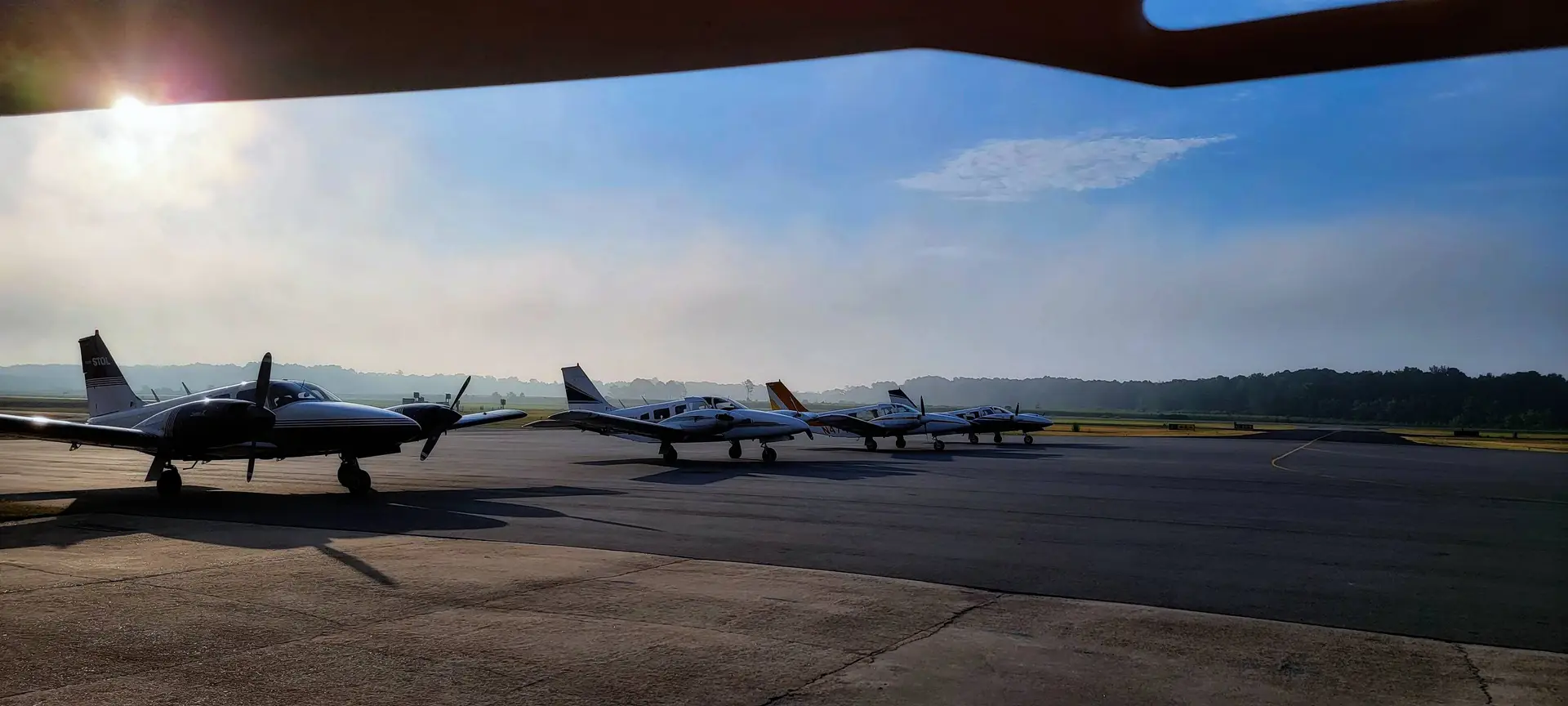
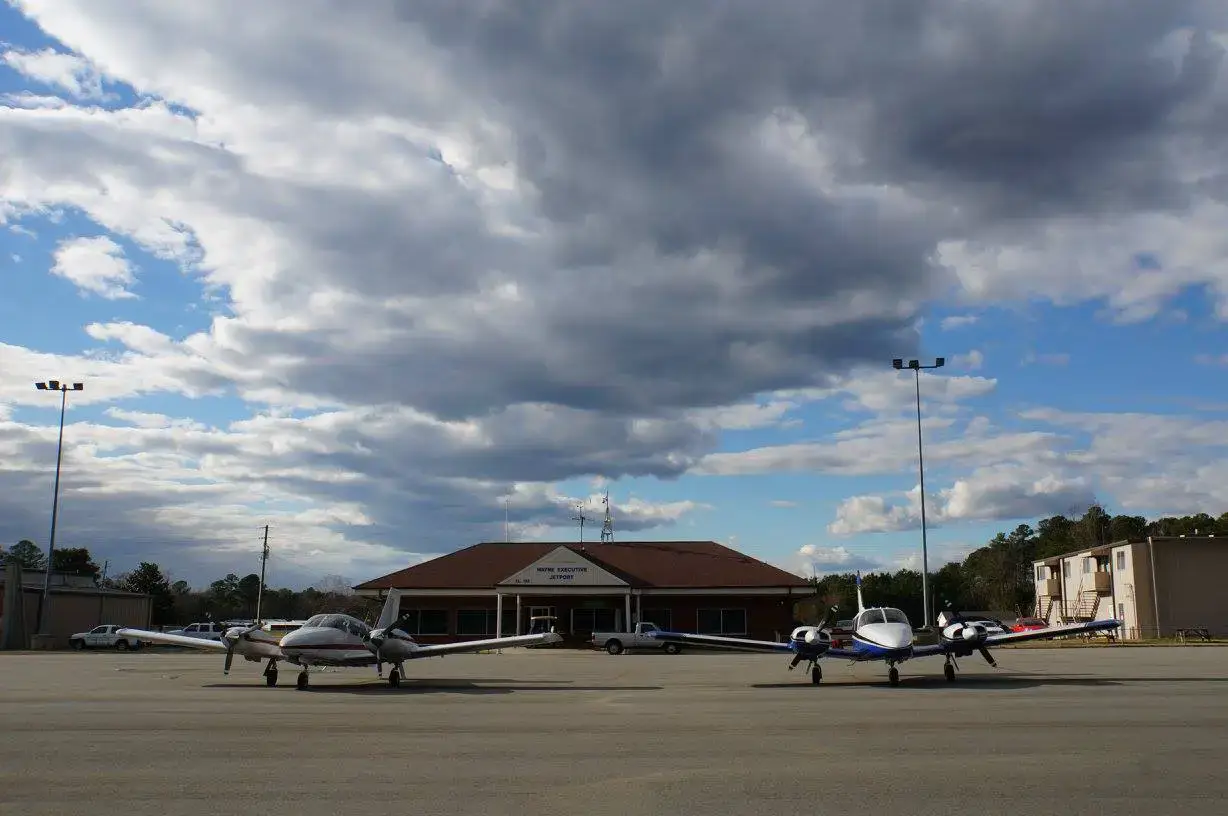
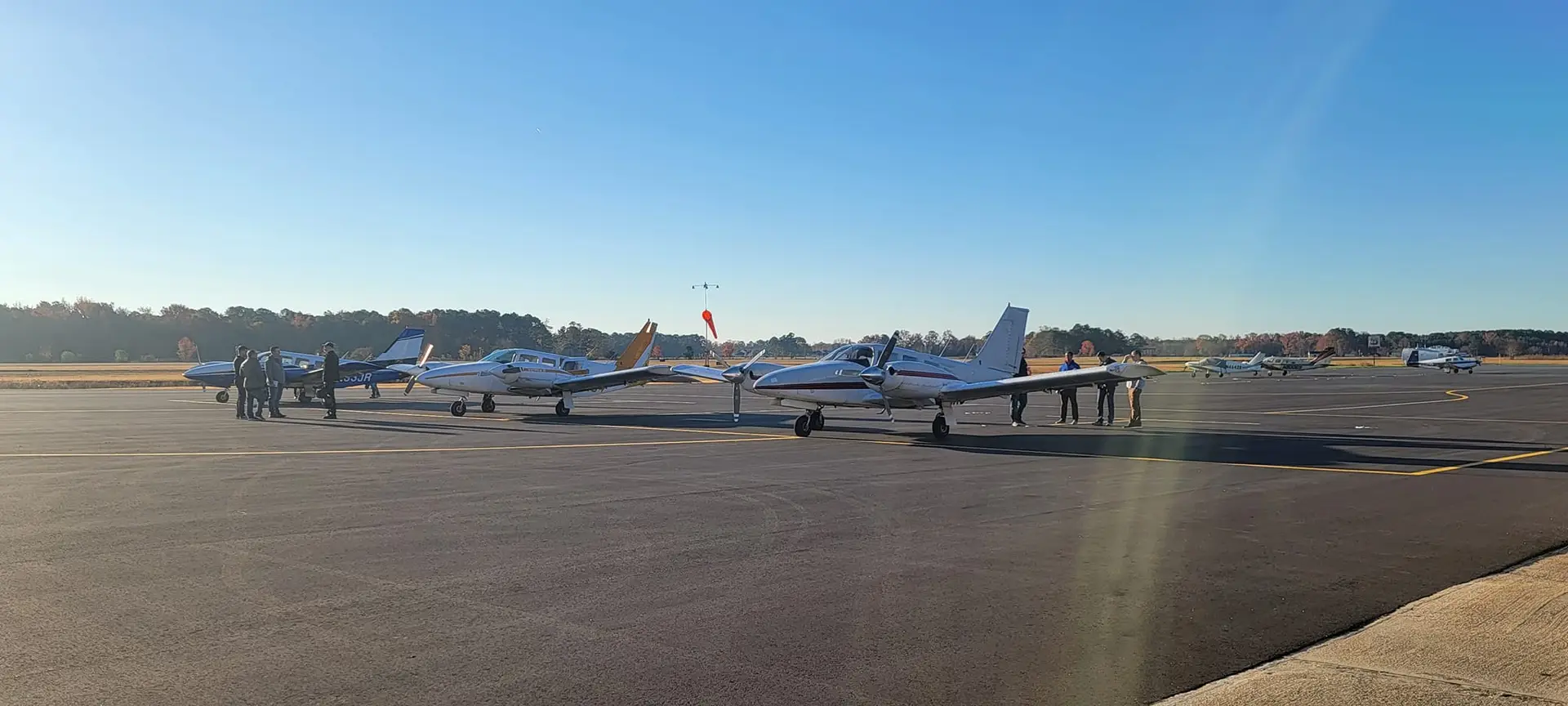
M2A operates out of Wayne Executive Jetport (KGWW) in Pikeville, North Carolina. As a non-towered airport, KGWW gives students a massive advantage in training efficiency: engine-start means immediate departure with zero ATC taxi queues. Every dollar goes directly into practicing flight maneuvers instead of idling on the ground. At the same time, students build professional radio and Air Traffic Control habits through structured cross-country training into nearby towered airspaces.
The Checkride Gap Trap
The checkride is the FAA practical test at the end of a certificate or rating. Across the industry, students can finish training and then wait weeks for an outside examiner.
That gap is expensive because you cannot simply stop flying. If you stop, proficiency fades. You may need extra flights just to stay checkride-ready.
Those flights are not wasted from a skills standpoint, but they are expensive because they do not move you into the next rating. They are the cost of waiting.
M2A reduces that friction with two Designated Pilot Examiners on staff and a training model where checkride readiness is built into the flow. When the program keeps testing access close to training progress, the student has fewer reasons to pay for weeks of maintenance flying.
Housing and Living Expenses
When you calculate flight school cost, include living expenses. This matters even more for students relocating for full-time training.
Rent, deposits, furniture, utilities, internet, commuting, and short-term lease penalties can all hit the budget. A student who saves money on aircraft rental but overpays for housing may not actually save money overall.
The Professional Pilot Track offers affordable housing options. That gives students a clear way to relocate and focus entirely on training without local lease uncertainty.
Aircraft Delays and Maintenance
A cheap rental rate means very little if the aircraft is not available. Small fleets and outsourced maintenance can stretch a training timeline because one broken airplane can stop multiple students.
Delays cost money in two ways. First, you may need extra review flights after the pause. Second, you may spend more months paying living expenses before you are employable as a pilot.
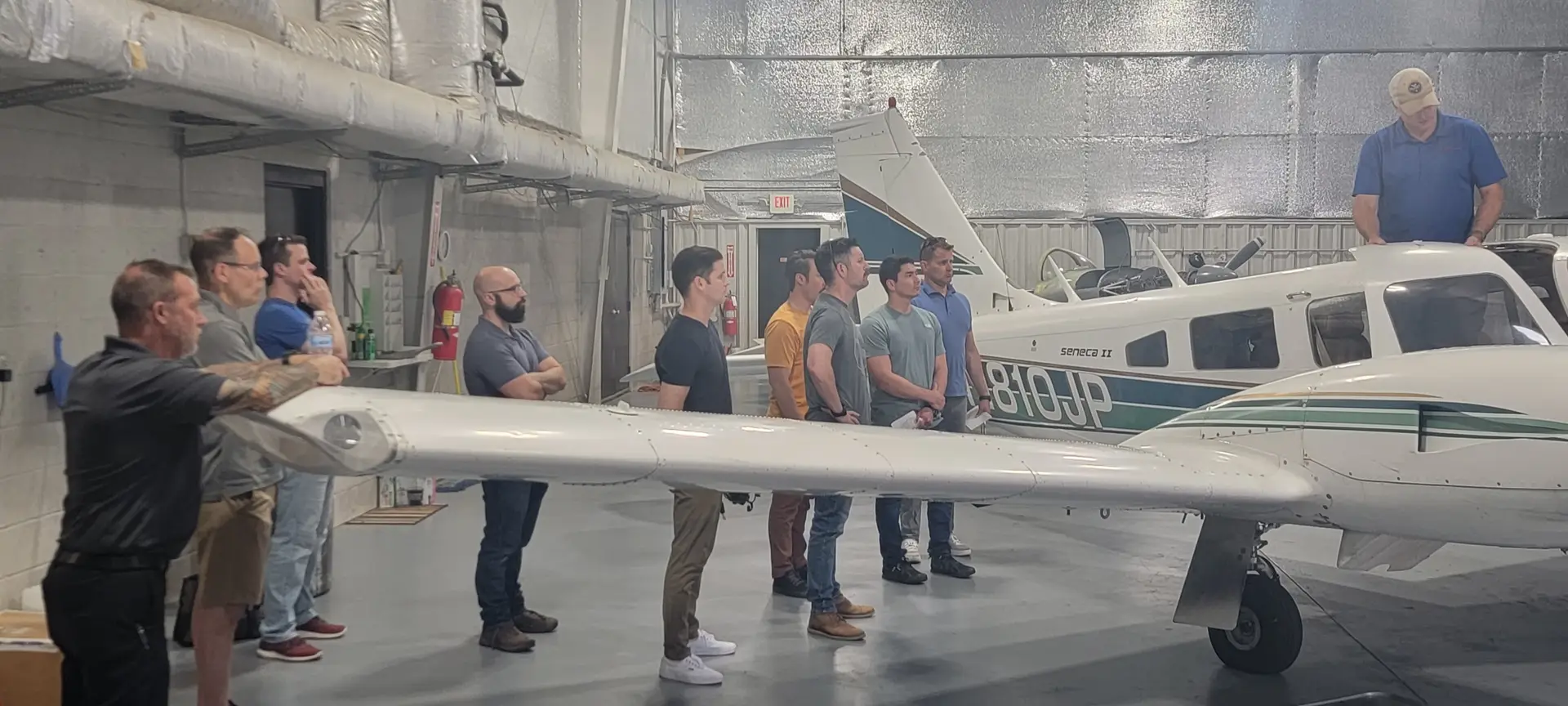
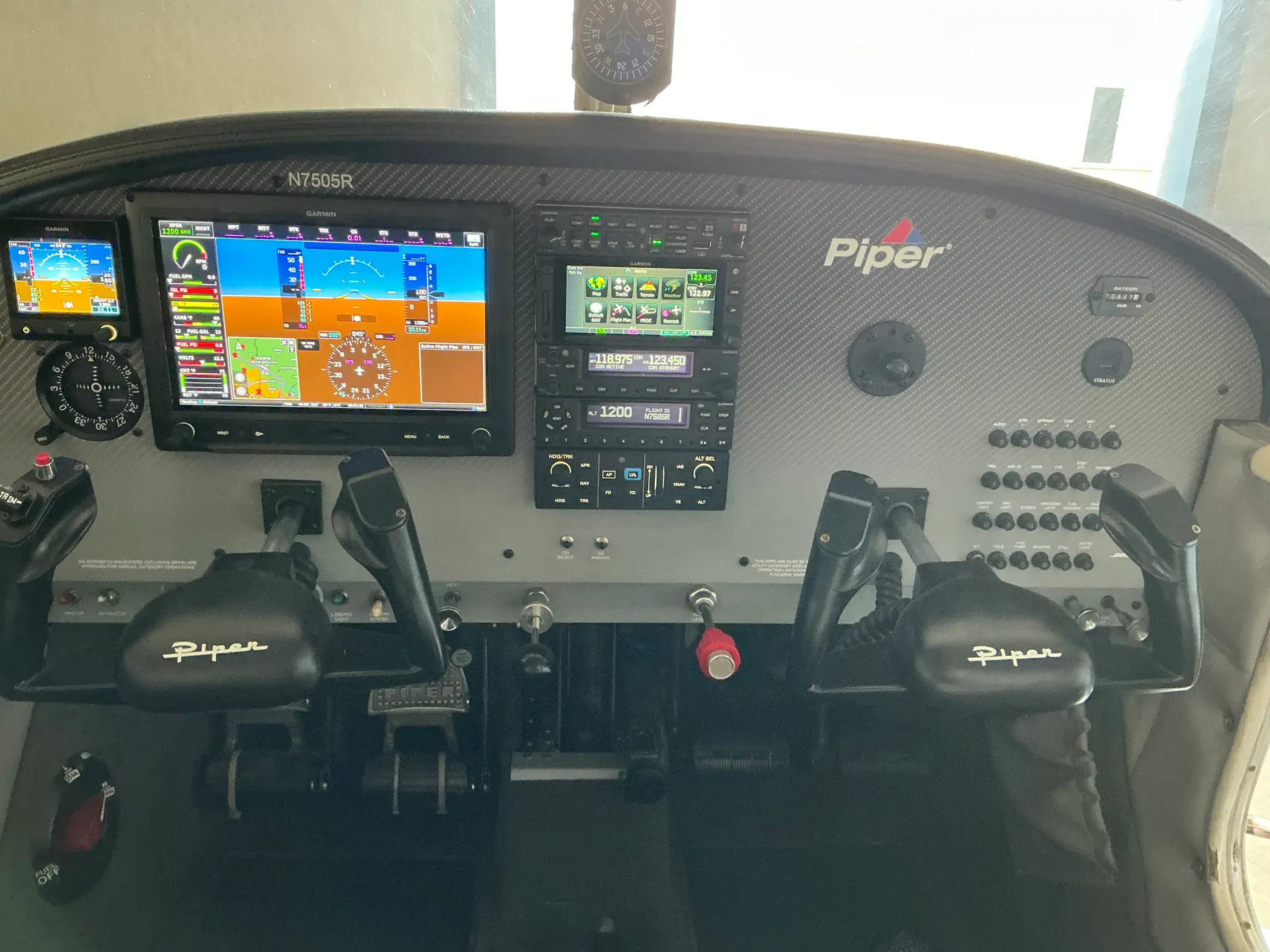
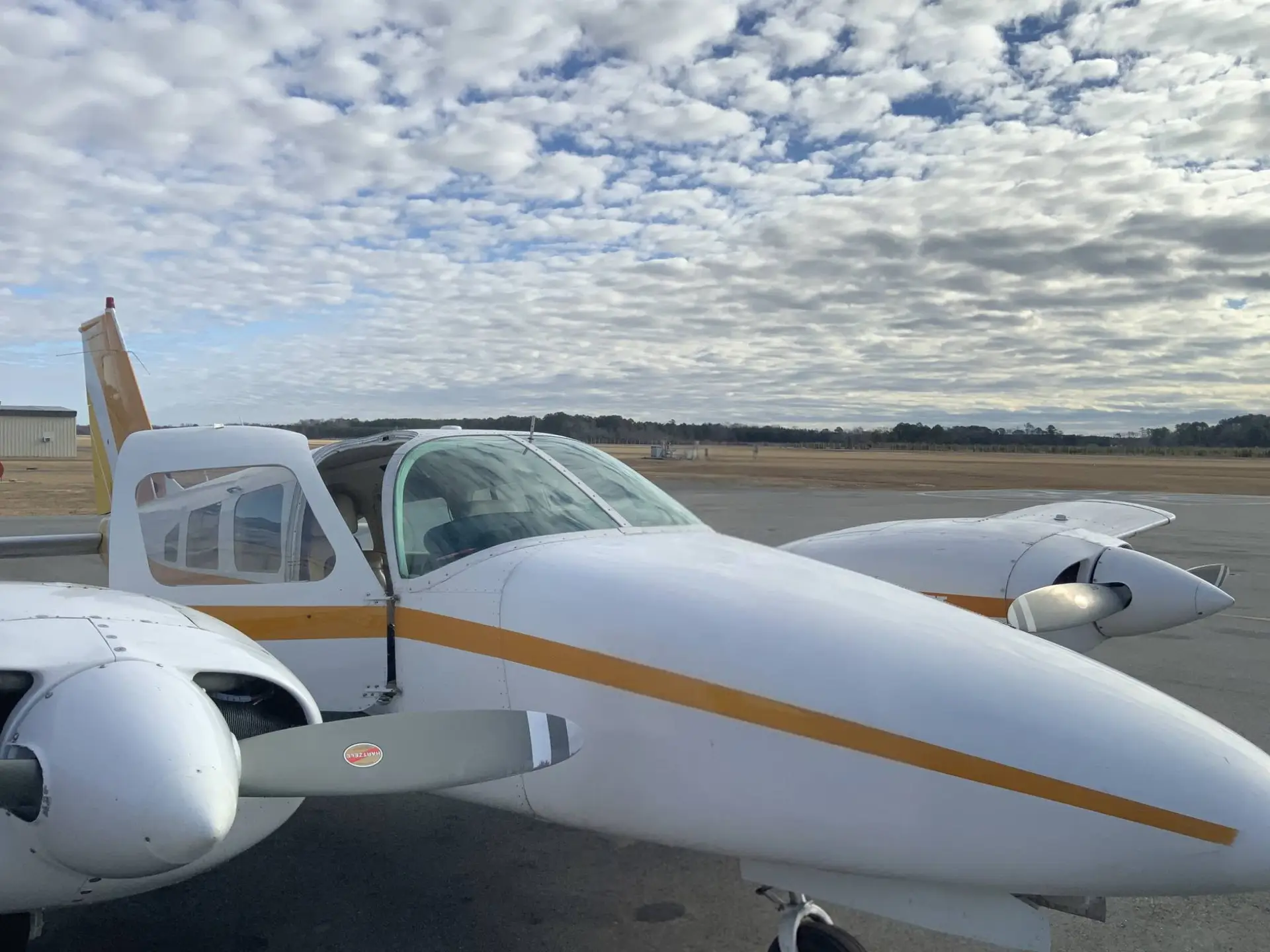
M2A operates a broad Piper fleet and an in-house maintenance team. The goal is simple: keep the training schedule moving so students are not paying for avoidable downtime.
How Much Does It Cost to Get 1,500 Flight Hours?
The question “how much does it cost to get 1,500 flight hours” can be misleading. Most airline-track pilots do not pay to rent an airplane for every hour up to 1,500.
The usual strategy is to pay for the training needed to become a commercial pilot and flight instructor, then build the remaining hours while being paid to fly. Flight instructing is one of the most common time-building paths because it lets a new commercial pilot gain experience, teach students, and move toward airline minimums.
If you tried to buy every hour from zero to 1,500, the cost would be far higher than a structured career program. That is why the smarter question is: how efficiently can I get to commercial pilot and instructor privileges so I can begin building time professionally?
For the full regulatory background, read What is the 1,500-hour rule?. That guide explains ATP requirements, Restricted ATP paths, and what the 1,500-hour milestone means for airline hiring.
What M2A Includes in the $77,000 Professional Track
The M2A professional path is designed for students who want a clear, full-time route to a professional pilot career. The $77,000 program cost is built around the whole training environment, not only the airplane.
The program includes:
- Flight and ground training through CFI/CFII
- Affordable on-site housing options available
- Six FAA written tests: PAR, IRA, CAX, FOI, FIA, and FII
- Structured Part 61 and 141 progression
- Access to a training environment built around consistent flying, testing, and aircraft availability
That structure matters because the cheapest advertised number is not always the cheapest path to completion.
Frequently Asked Questions
-
How much does pilot training cost in North Carolina in 2026?
The total cost depends on whether you train part time, full time, recreationally, or for an airline career. At M2A, the full Professional Pilot Track is $77,000 and includes six FAA written tests and flight and ground training through CFI/CFII. Affordable housing options are available separately.
-
What hidden costs should I ask a flight school about?
Ask about checkride fees and scheduling, FAA written exams, aircraft downtime, housing, commuting, extra proficiency flights, fuel surcharges, retests, supplies, and what happens if weather or maintenance delays your schedule.
-
Is a lower hourly aircraft rate always cheaper?
No. A low hourly rate can still produce a higher final bill if the school has long taxi delays, limited aircraft, weak scheduling, slow maintenance, or long checkride waits.
-
Do I need to pay for all 1,500 flight hours?
Usually no. Career-track pilots typically pay for training through commercial and instructor privileges, then build many of the remaining hours while working as flight instructors or in other entry-level commercial flying roles.
Plan the Full Cost Before You Start
Pilot training is a major investment. Treat it like one. Compare schools by completion path, housing, checkride access, fleet reliability, instructor quality, and how quickly you can move from one rating to the next.
If you want a direct path with a clear program cost, affordable housing options, and full-time structure, review the Professional Pilot Track or start your application on the enroll page.