Training at a Towered vs. Non-Towered Airport: What Airlines Prefer | M2A Aviation Academy
Published by:
CK.
Published on:
Updated on:
Read time:
4 min read
You want to fly for the airlines.
That is the goal. But becoming a professional pilot is about more than just stick-and-rudder skills. It is about decision-making, efficiency, and communication.
When choosing a flight school, many students assume they must train at a busy, towered airport to prepare for an airline flight deck. They worry that training at a non-towered airport will leave a gap in their radio skills.
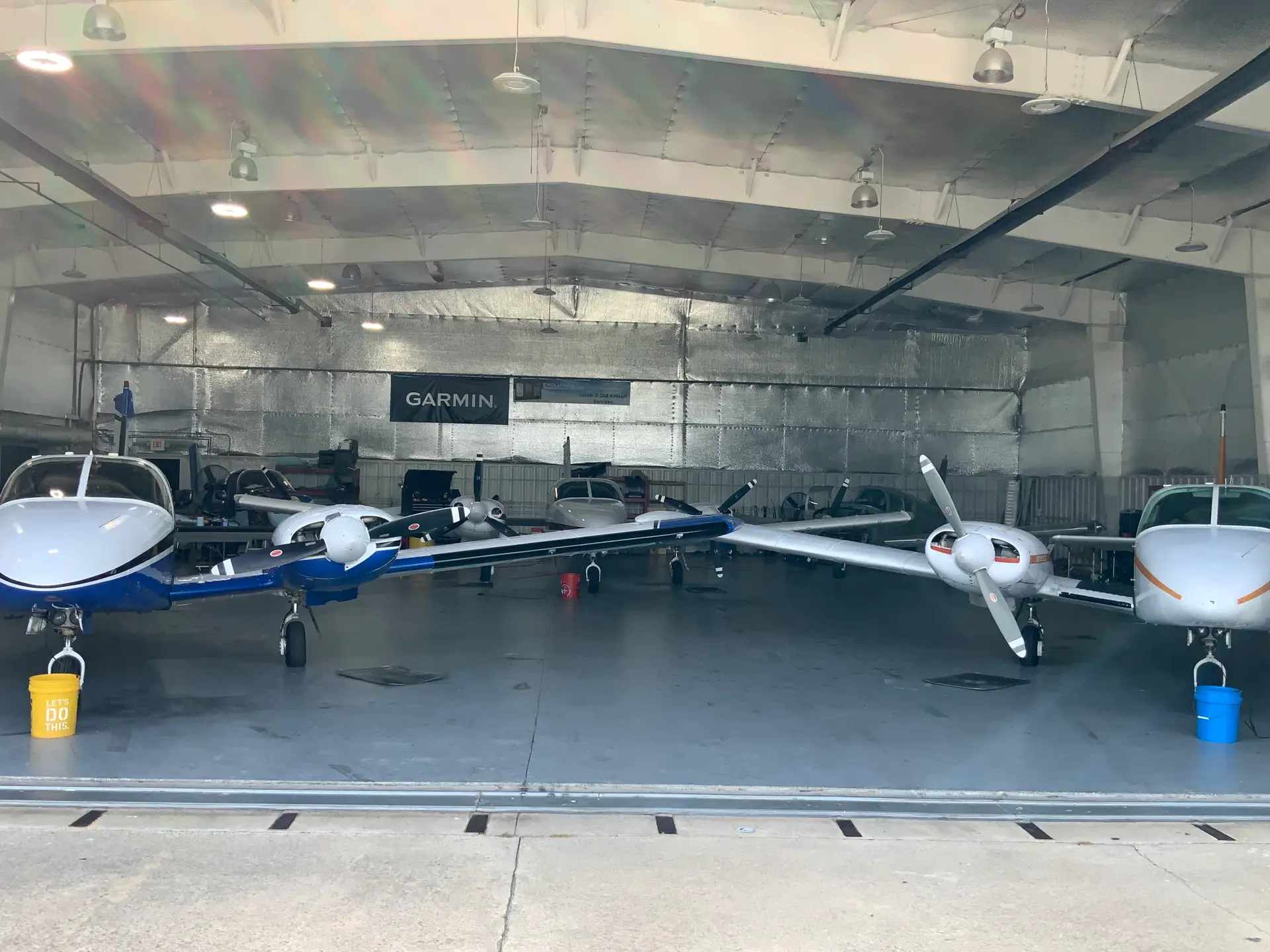
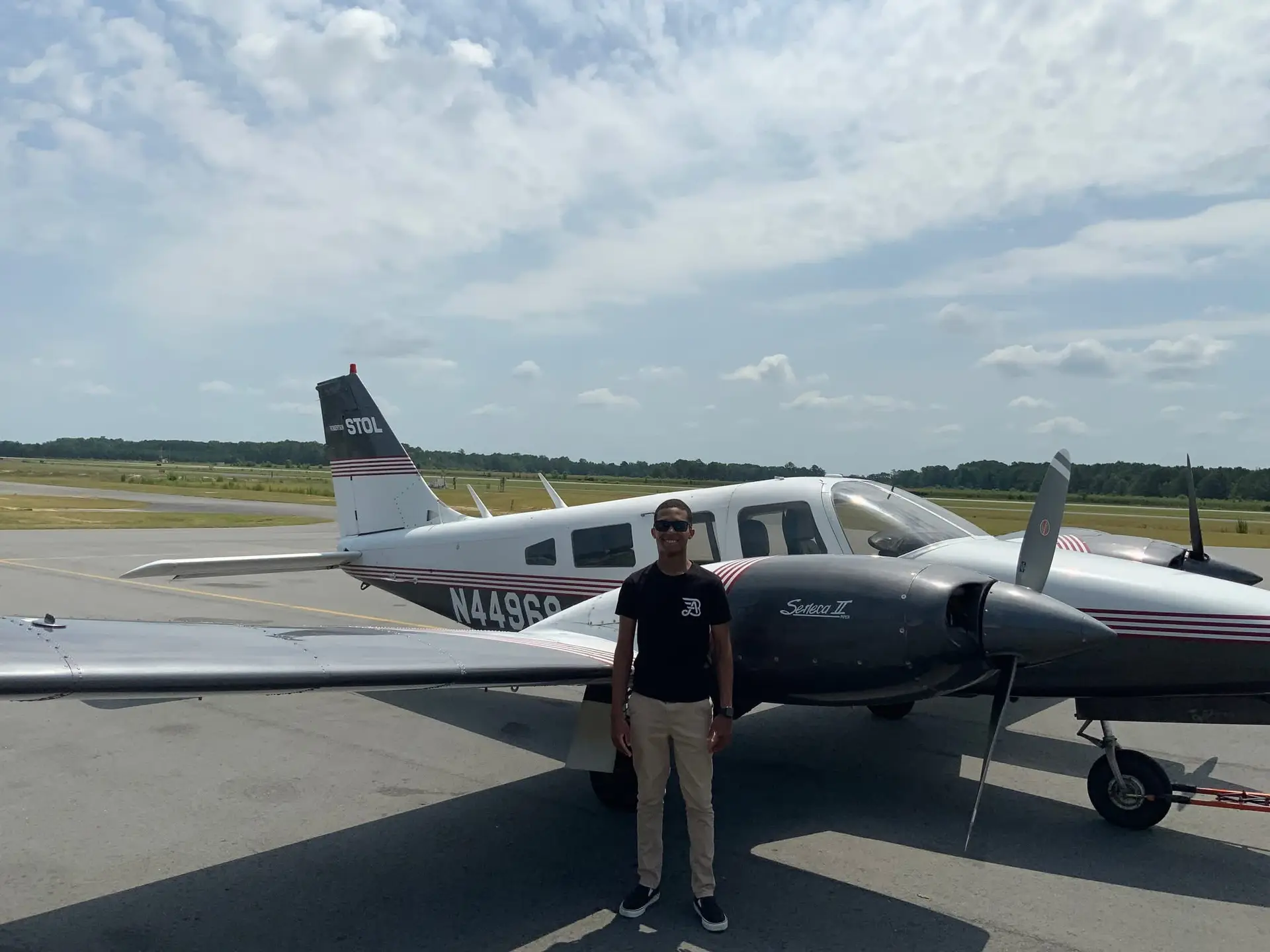
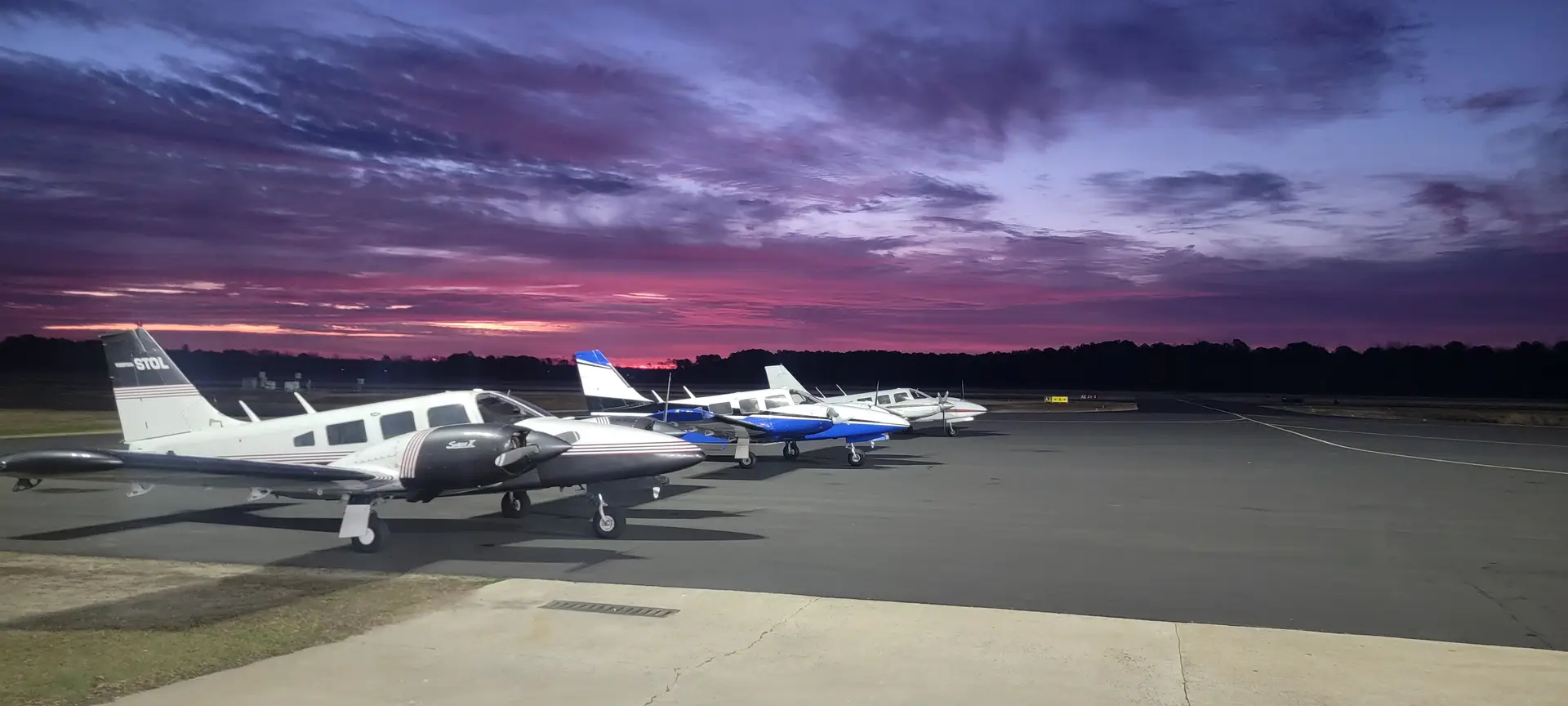
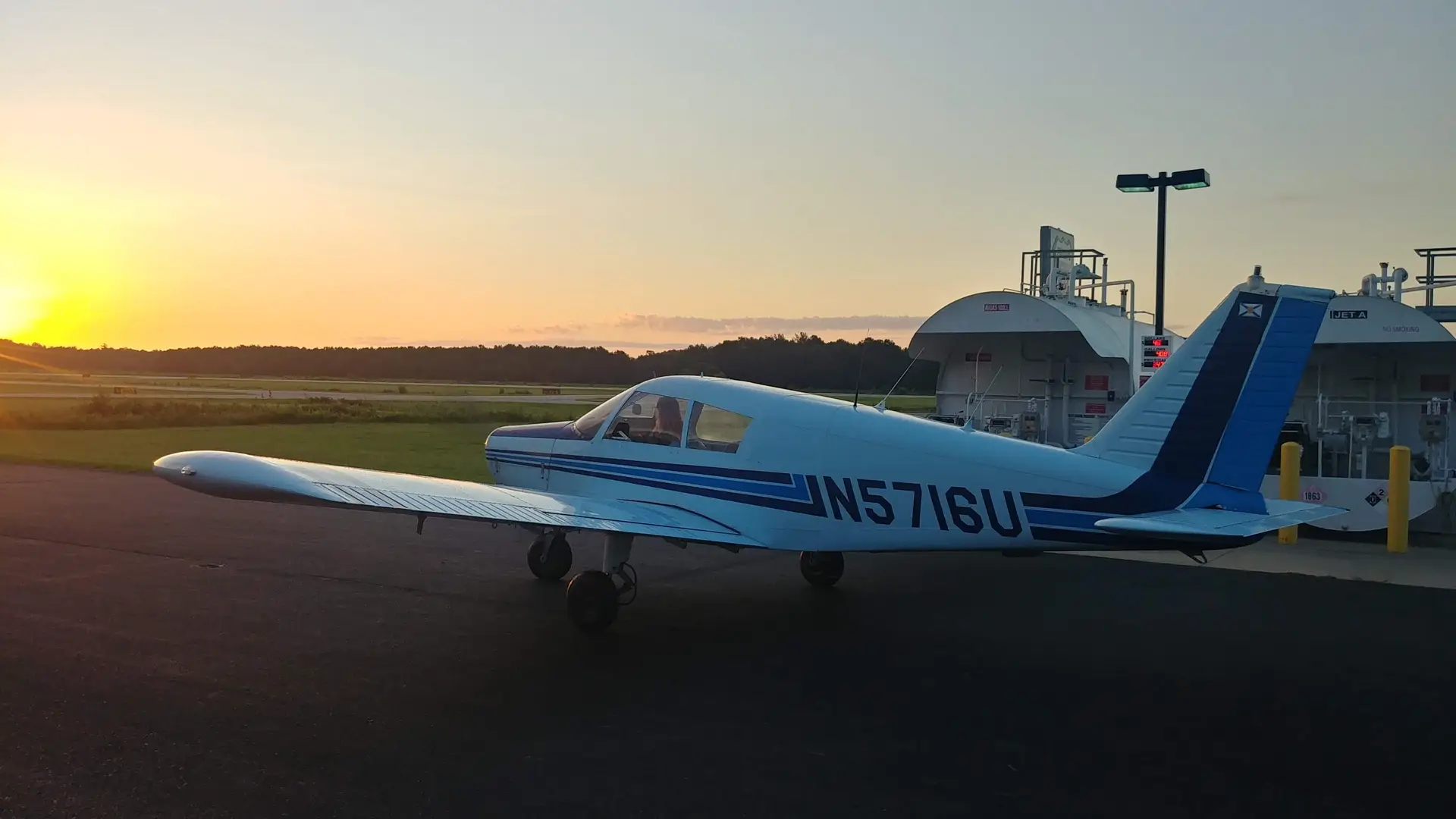
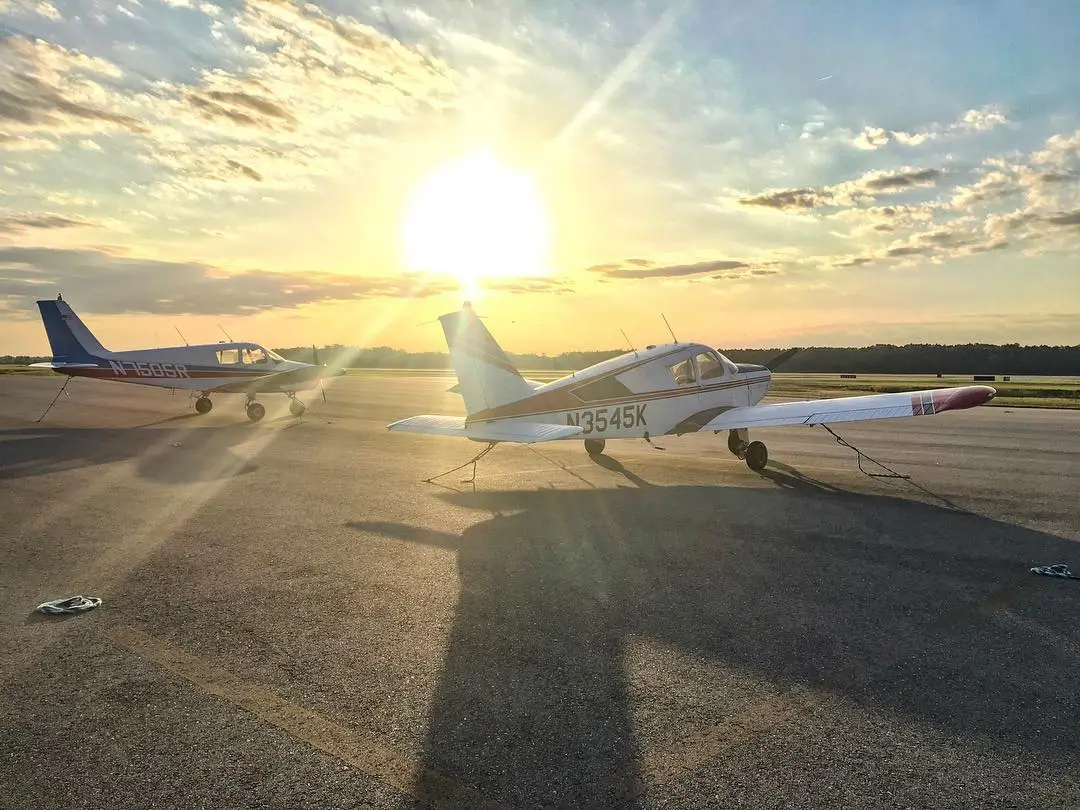
At M2A Aviation Academy, we design our training to give you the best of both worlds. Based at Wayne Executive Jetport (KGWW), a highly efficient non-towered airport, we eliminate training delays while building professional Air Traffic Control habits in nearby controlled airspace.
Here is how training at a non-towered home base actually prepares you better—and faster—for your career.
The Taxi Tax: Why Congestion Kills Budgets
Time is money in aviation because you pay for the aircraft engine run time.
If you train at a major towered airport, you share the taxiways with commercial airlines. It is common to spend 30 minutes idling on the ground just waiting for an Air Traffic Control clearance.
- At $250+ per hour, that ground wait is a direct drain on your budget.
- You are paying for fuel and aircraft time, but you are not practicing maneuvers, landings, or procedures.
Because Wayne Executive Jetport (KGWW) is a non-towered airport, we have zero commercial queues. Engine start means immediate departure. Every dollar of your training budget goes toward actual flight hours, keeping your training timeline on track. Our Professional Pilot Track gets you through your ratings in about 8 months because we do not waste time on the taxiway.
Building Superior Situational Awareness
At a towered airport, pilots can become dependent on Air Traffic Control. They rely on controllers to point out traffic, sequence them into the pattern, and guarantee separation.
A non-towered training environment forces you to take command of your own safety from day one:
- Active Traffic Scanning: You must maintain a rigorous visual scan to find and track other aircraft.
- Clear Self-Announcements: You learn to communicate your position clearly on the Common Traffic Advisory Frequency (CTAF) so other pilots know your intentions.
- Pattern Discipline: You learn to read the wind, judge distances, and sequence yourself safely behind other traffic.
Airlines look for pilots with high situational awareness. Learning to manage your own spacing without a controller holding your hand builds the visual-scanning and self-separation habits that make you a safer captain.
Mastering ATC Without the Ground Delays
How do M2A students build the radio discipline airlines demand?
We do not ignore Air Traffic Control. Instead, we master it where it belongs: in the air.
Central North Carolina is surrounded by diverse, busy airspace. During your training, our structured cross-country flights and instrument procedures take you directly into Class D, Class C, and Class B airspaces.
- You will regularly communicate with controllers, request radar flight following, and execute instrument approaches at busy towered fields.
- By the time you reach your Commercial Pilot Certificate, talking to ATC is second nature.
- You get all the communication experience of a towered airport without paying the “taxi tax” at your home base.
This approach reduces your training friction. You will not struggle with communication during your airline simulator interviews because you have been operating in real-world ATC environments throughout your training.
The Ultimate Efficiency Formula
We believe in doing things the right way, every time. Our maintenance team fixes aircraft immediately on-site, and our access to Designated Pilot Examiners keeps your checkrides on schedule.
Our choice of home base at Wayne Executive Jetport is a key part of that efficiency. By pairing a fast-paced, non-towered home field with deliberate, structured towered airspace operations, we help you build elite radio skills and flight hours without wasting your money on the ground.
Are you ready to start your journey to the flight deck?
Explore our Professional Pilot Track and see how we prepare you for the reality of professional aviation.