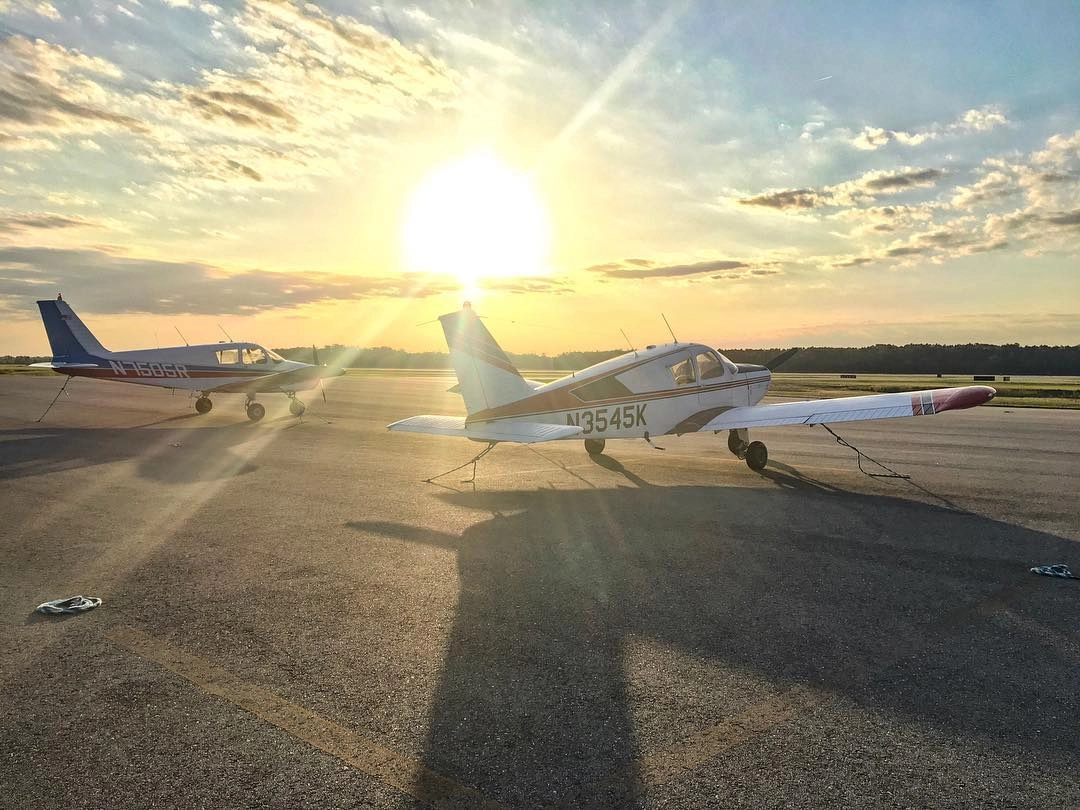
Training at a Towered vs. Non-Towered Airport: What Airlines Prefer | M2A Aviation Academy

You want to fly for the airlines.
That is the goal. But becoming a professional pilot is about more than just stick-and-rudder skills. It is about decision-making, precision, and communication.
Many flight schools operate out of small, non-towered airports. These are quiet fields where pilots talk to each other to coordinate landings. While this is fine for a hobbyist, it leaves a gap in the training of a career pilot.
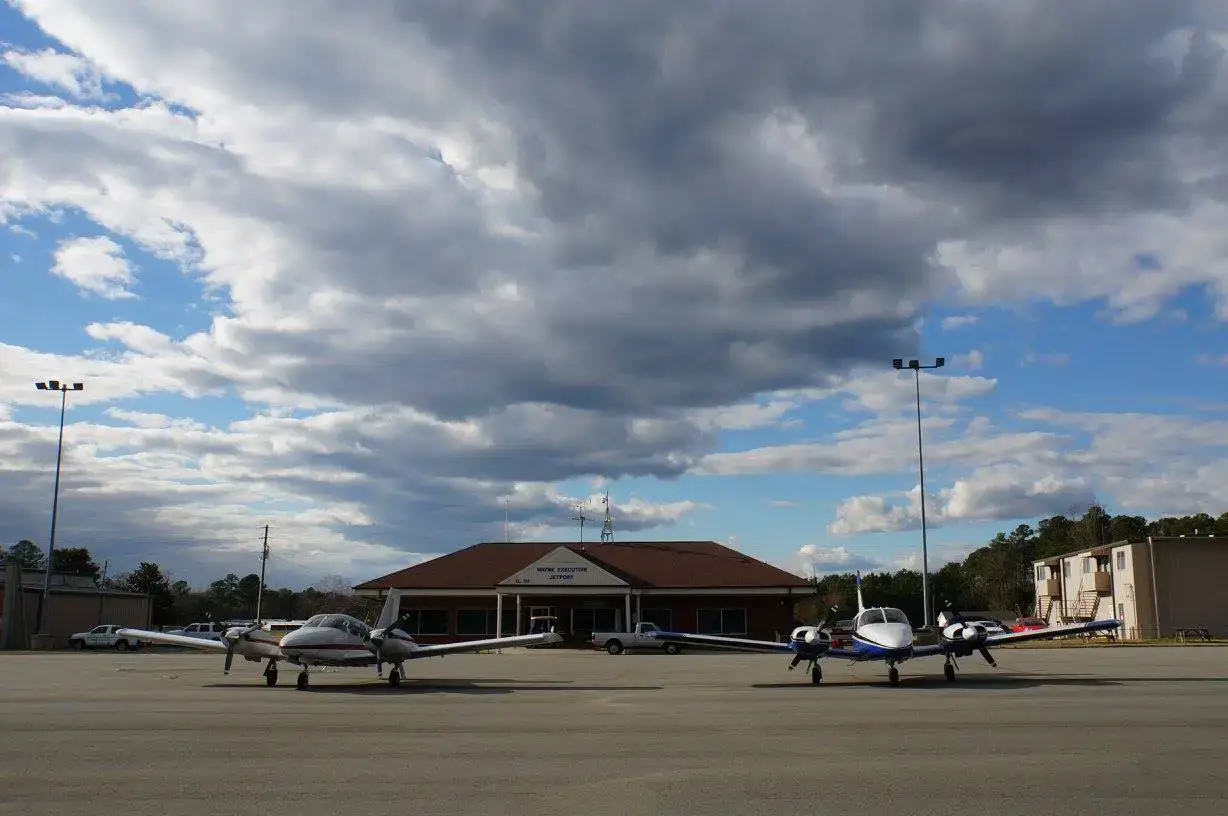
At M2A Aviation Academy, we take a different approach. We are based at Wayne Executive Jetport (KGWW).
This is a towered airport.
Does that difference matter to your future career? Absolutely. Here is why airlines prefer pilots who learn in a controlled environment.
The Fear of the Radio
For many student pilots, the radio is scary.
When you train at a non-towered field, you might go weeks without talking to Air Traffic Control (ATC). You announce your position, land, and go home. You are in a bubble.
When those pilots finally have to fly into a busy airspace, they often freeze. The speed of the instructions can be overwhelming.
At M2A Aviation Academy, you break that fear on day one.
Because we fly out of Wayne Executive Jetport, you talk to professional air traffic controllers every time you start the engine. You learn to listen, read back instructions, and maintain situational awareness.
By the time you reach your Commercial Pilot Certificate, talking to ATC is not scary. It is second nature.
Training Like You Will Work
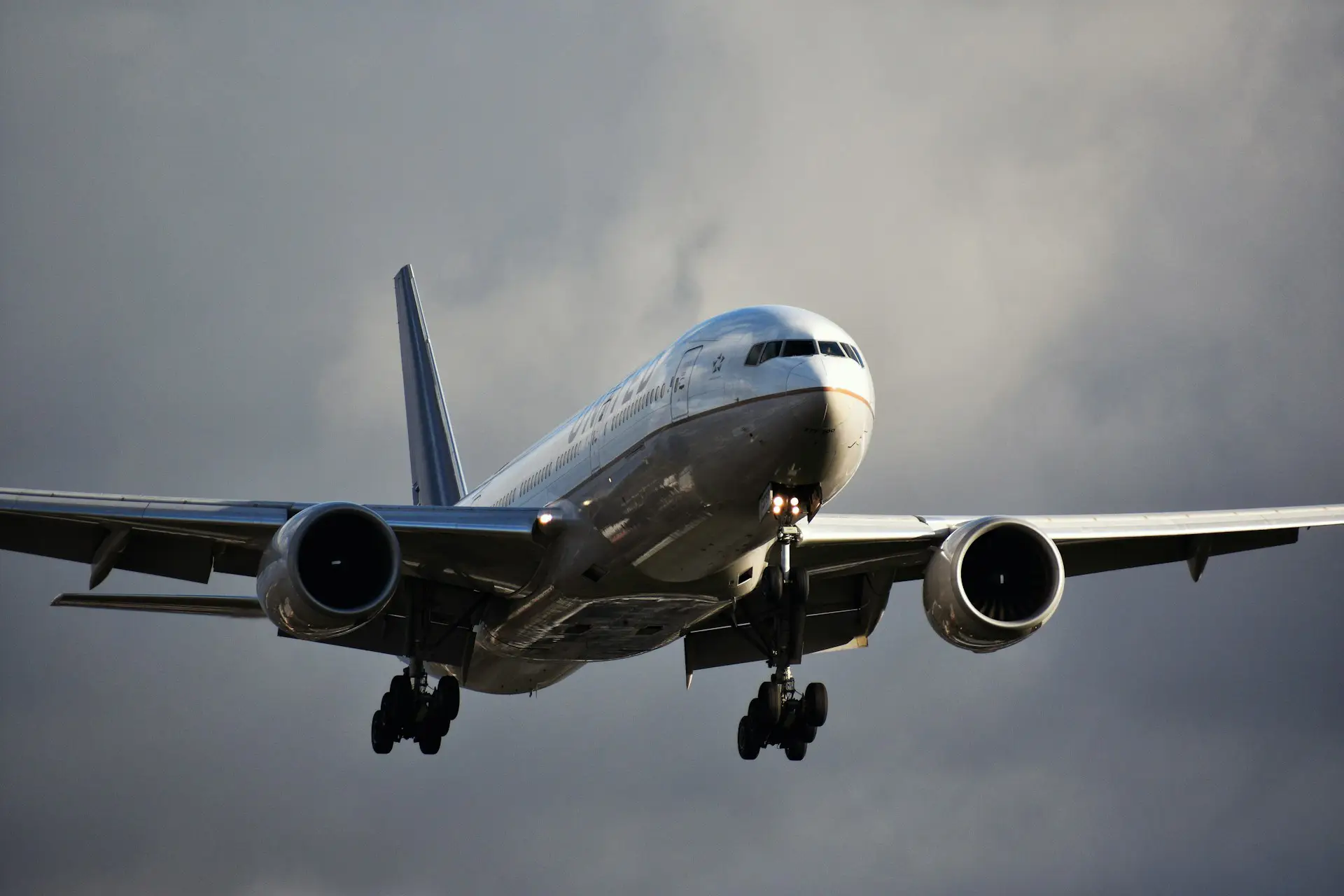
Airlines do not fly into quiet grass strips. They fly into complex, busy, towered environments.
If you want to be an airline pilot, you should train like one from the beginning.
Airlines look for pilots who fit into their safety culture immediately. They want “Wingmen” who understand structured protocols.
- Non-Towered Training: You form habits based on self-separation. You have to unlearn these habits to fit into the airline world.
- Towered Training: You follow FAA Part 141 protocols and ATC instructions from the start. You are building the exact habits airlines require.
This reduces your “training friction” later. You won’t struggle with communication during your airline simulator interviews because you have been doing it for months.
The Efficiency “Sweet Spot”
You might think, “Why not train at a massive international airport then?”
That brings its own problems. At major hubs, you might spend 30 minutes on the ground just waiting to take off. That is expensive engine time that burns your budget without teaching you anything.
Wayne Executive Jetport (KGWW) offers the perfect balance.
- Professional Control: You get the rigorous ATC experience.
- Efficiency: We have immediate scheduling and minimal wait times.
You get the professional environment without the waste. This respects your budget and keeps your training timeline on track. Our Professional Pilot Track is designed to get you from zero experience to career-ready in about 8 months. We do not have time for delays.
Safety and Standards
A towered airport adds a layer of safety. There is an extra set of eyes watching the traffic pattern.
This aligns with our core values. We believe in doing things the right way, every time. Our maintenance team fixes issues immediately to keep planes flying, and our local controllers keep the traffic flow orderly.
With a 12-year track record of zero checkride cancellations due to examiner unavailability, we know that structure leads to success. Training in a controlled airspace is part of that structure.
Your Next Step
Do not wait until your first job interview to learn how to sound like a professional.
Build professional habits now. Train in an environment that mirrors your future career.
Are you ready to start your journey to the flight deck?
Explore our Professional Pilot Track and see how we prepare you for the reality of professional aviation.